Play + pedgagogy
shipwrecks
Deconstructing “untouchable” maritime archives into a suite of tactile, “phygital” totems that transform flat digital data into a sensory-led discovery experience.
The Problem
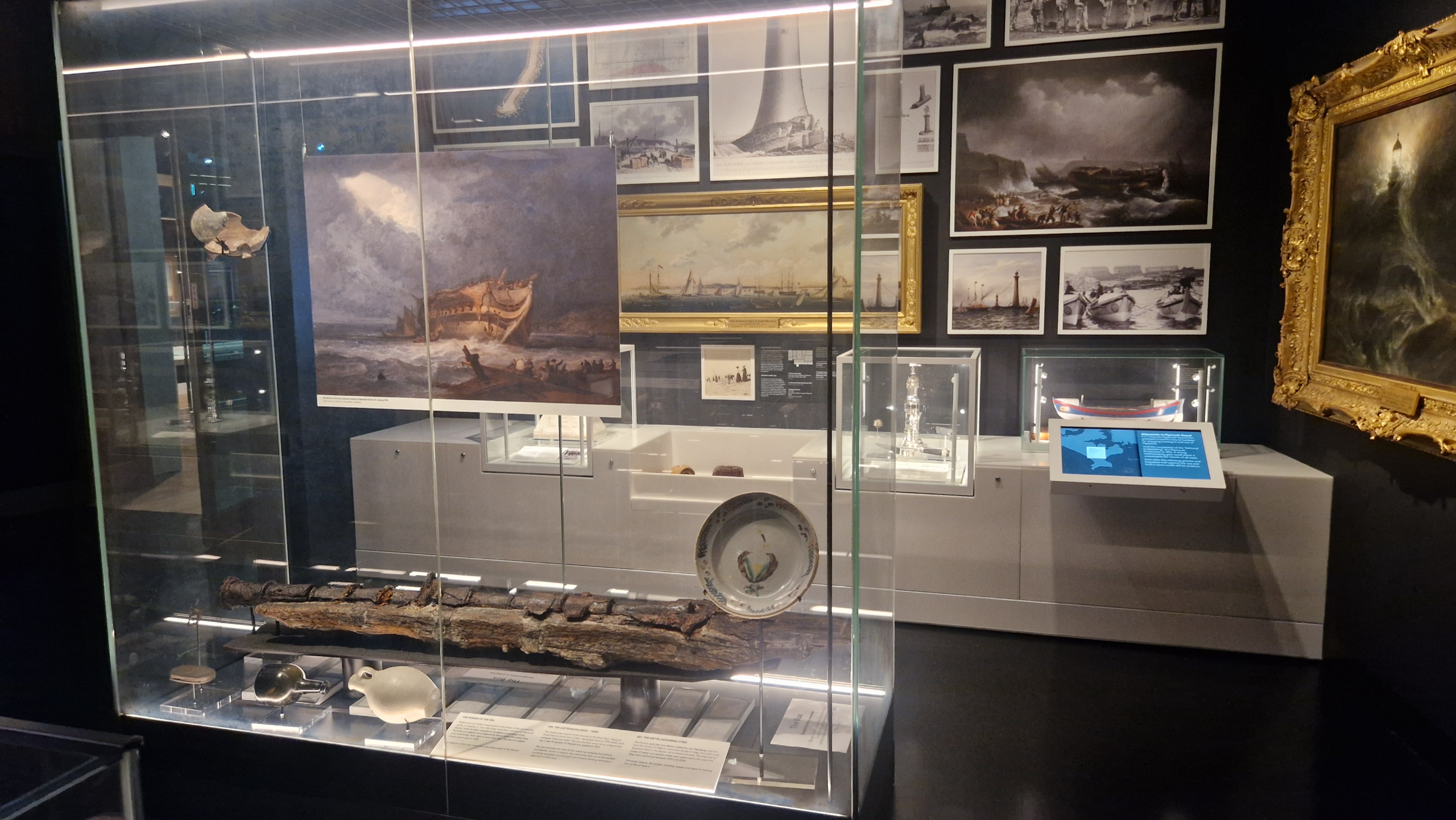
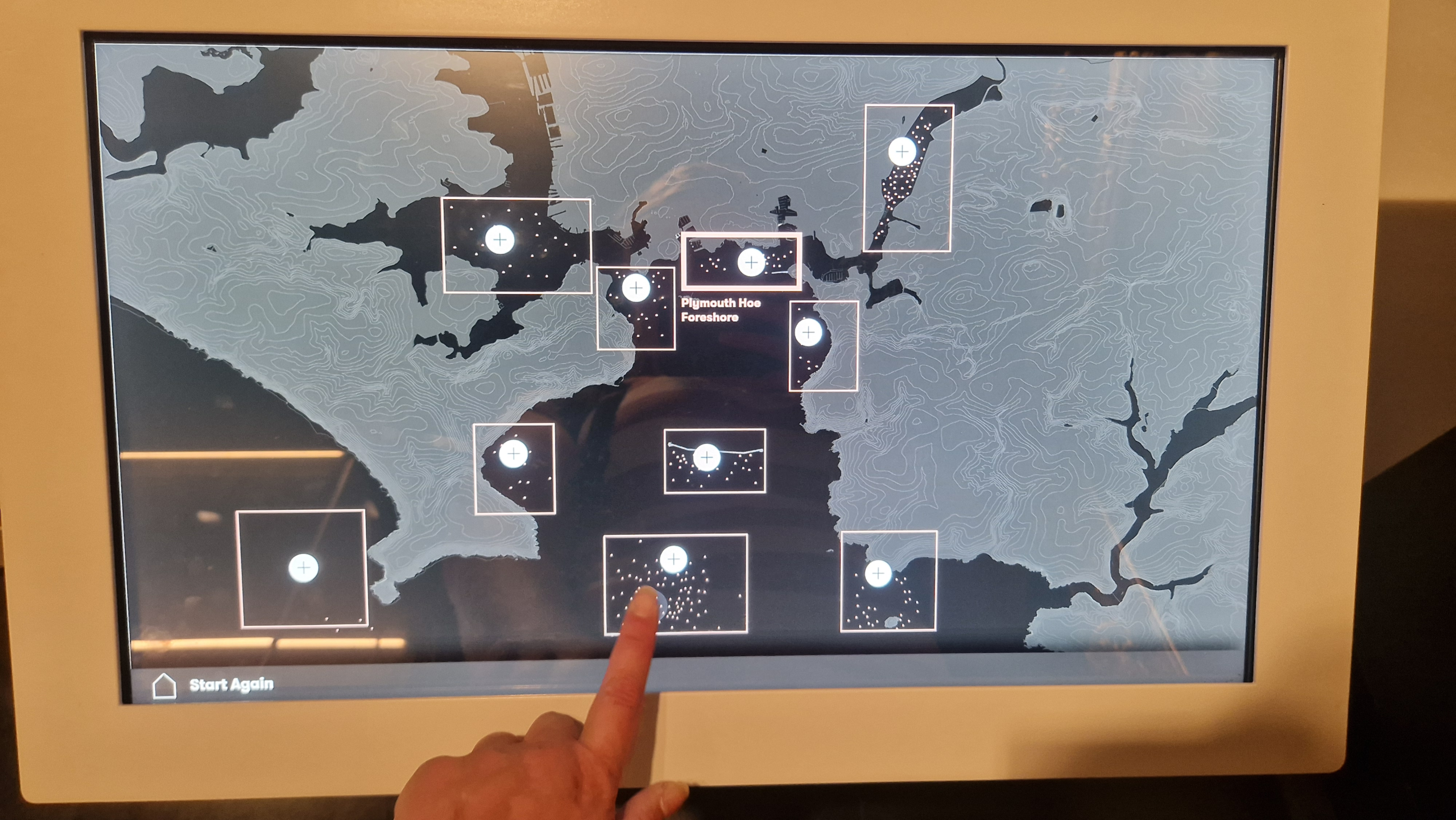
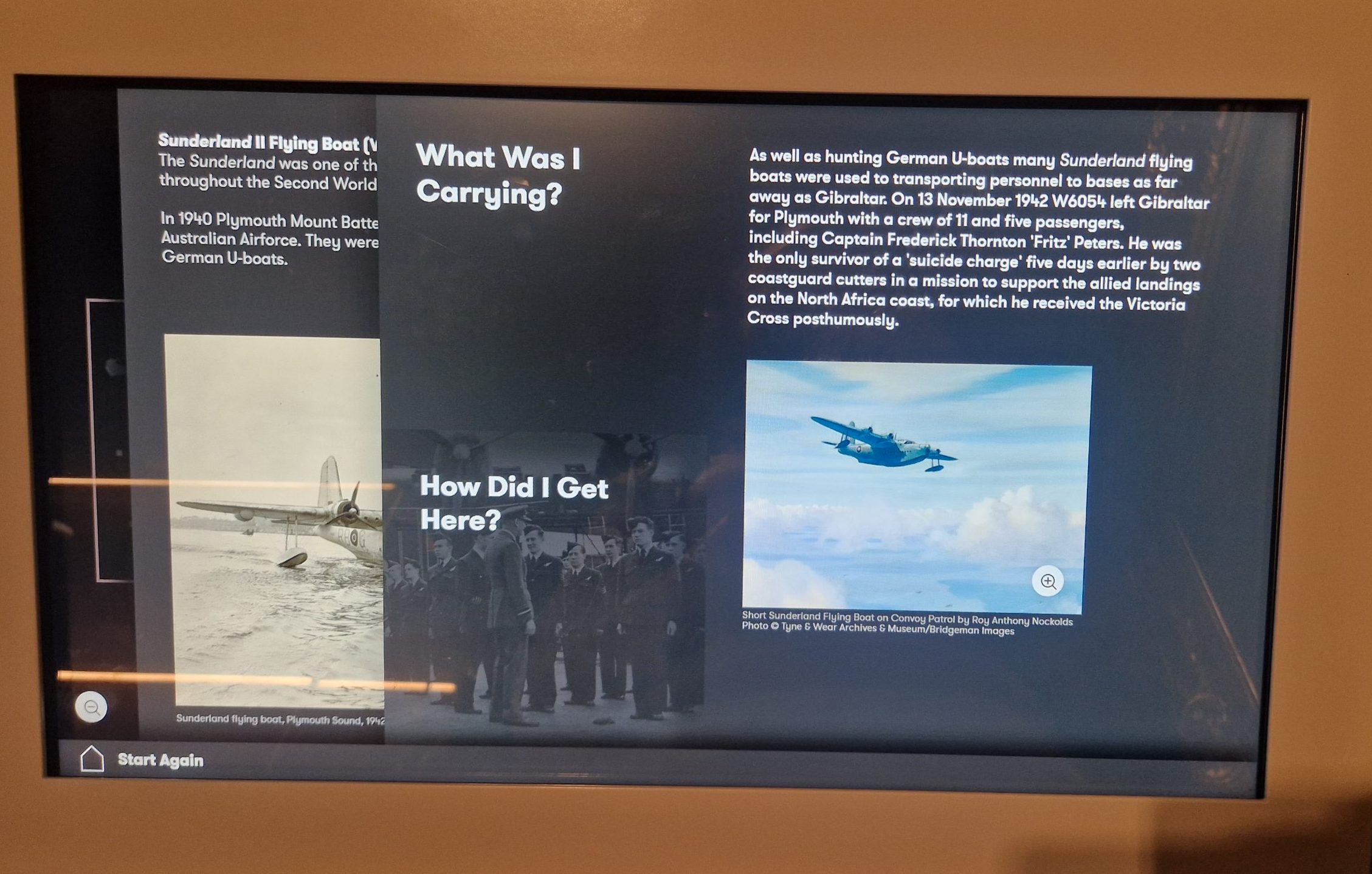
Plymouth Sound holds a rich maritime history, much of which is currently represented at The Box Museum through traditional glass-cased artifacts and touchscreens. The digital archive is vast — but visitors weren’t engaging with it. Physical artefacts were untouchable. Touchscreens were bypassed. The story was there; the connection wasn’t.
Using Ethogram Point Sampling, I mapped exactly how visitors moved through the space. The pattern was clear: people are drawn to physical objects, but lose interest in screens. The archive needed a different entry point.
This project was born out of a simple observation: in museums, we’re surrounded by incredible stories, but we’re told not to touch them. I wanted to see if I could use ‘Smart Objects’ to break that barrier.
Often, the biggest barrier to interactive design is the fear that ‘touch’ leads to damage or theft. This project was an exercise in shifting that perspective. I proved that we don’t need to put the artifact at risk to create a visceral connection; instead, we can embed the digital heart of a story within a bespoke ‘Smart Object’ designed to be held, tested, and explored.
This isn’t just about cool tech; it’s a blueprint for how we can make learning feel like a personal discovery again.
The Response
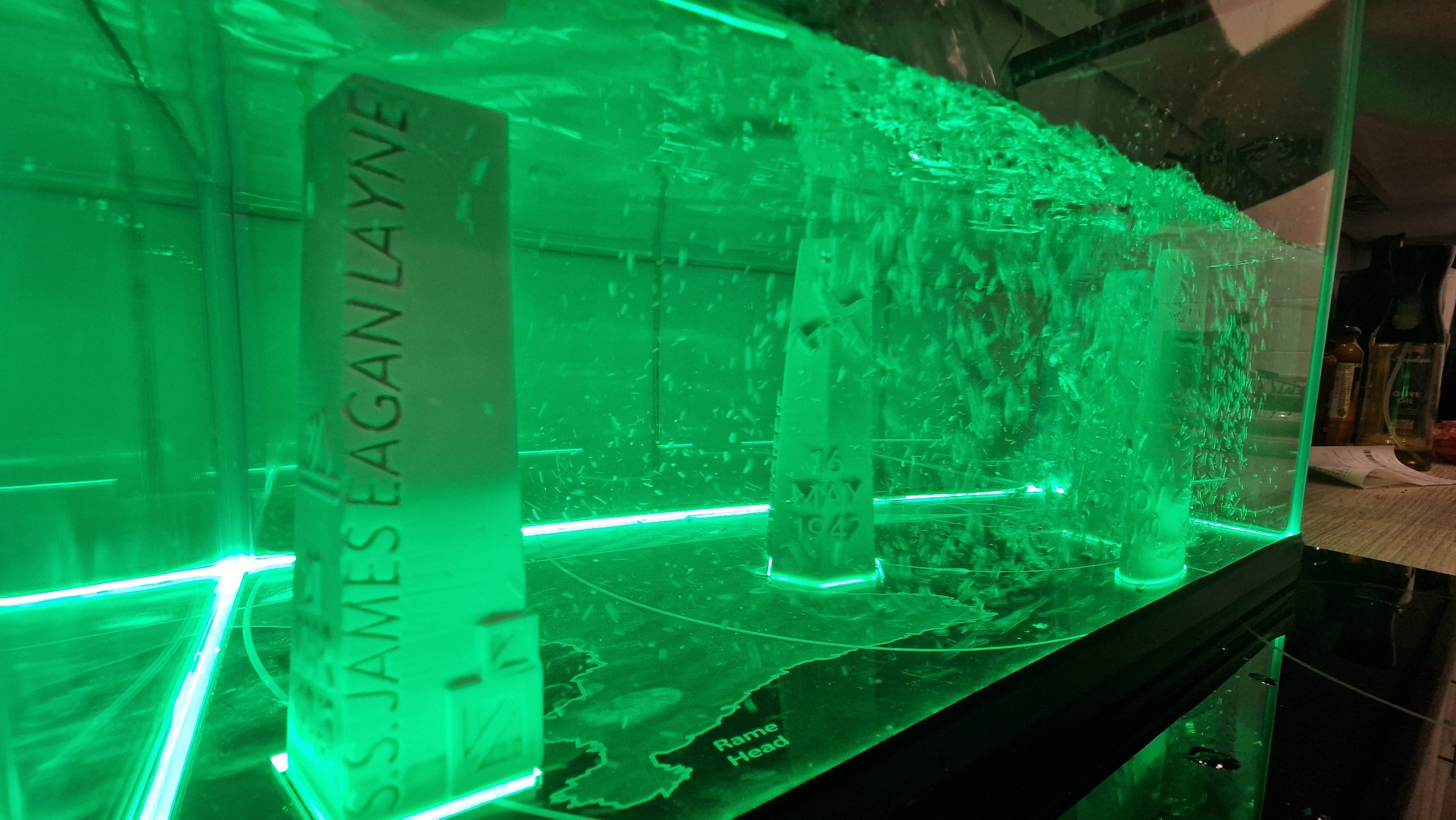
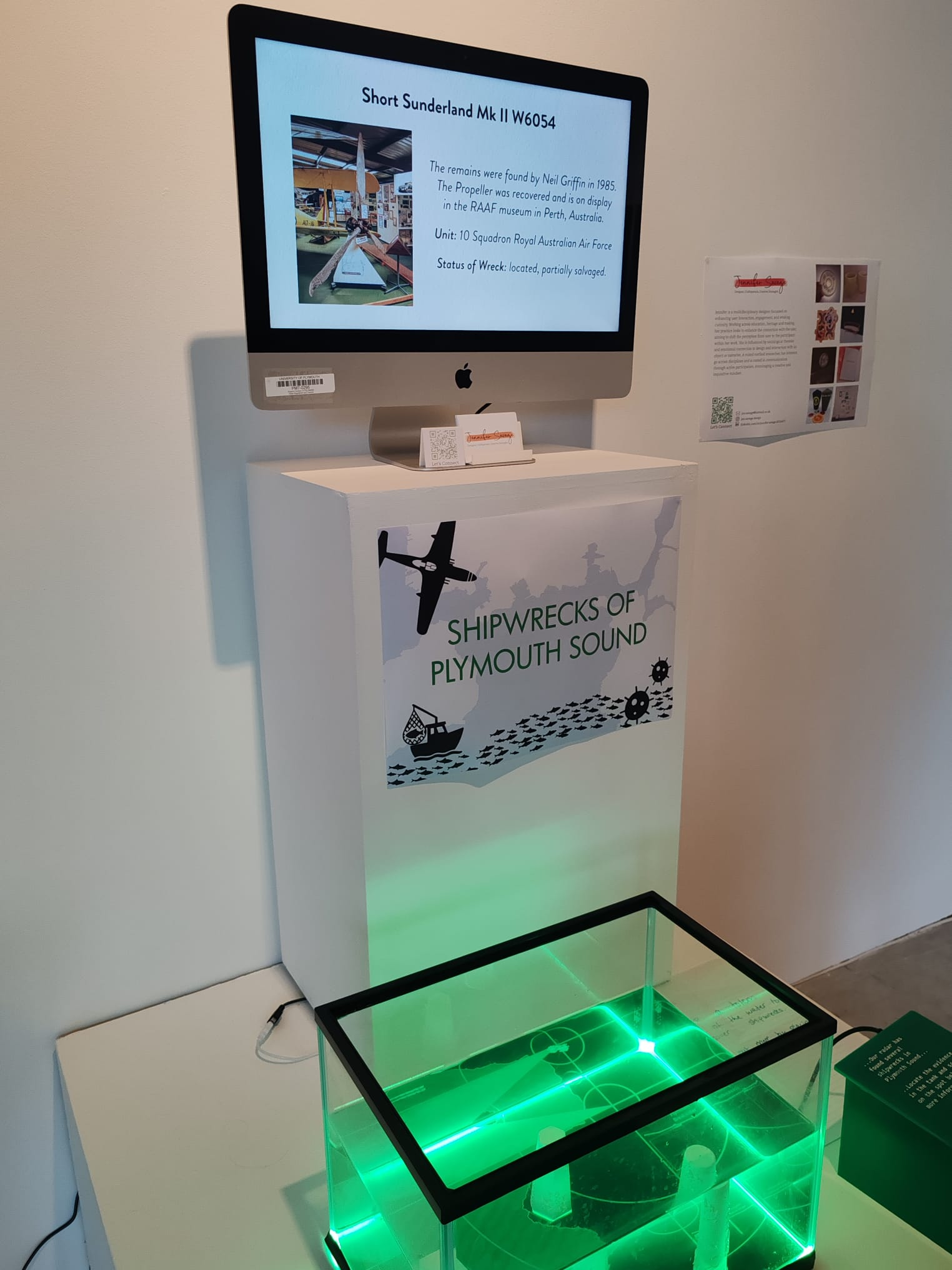
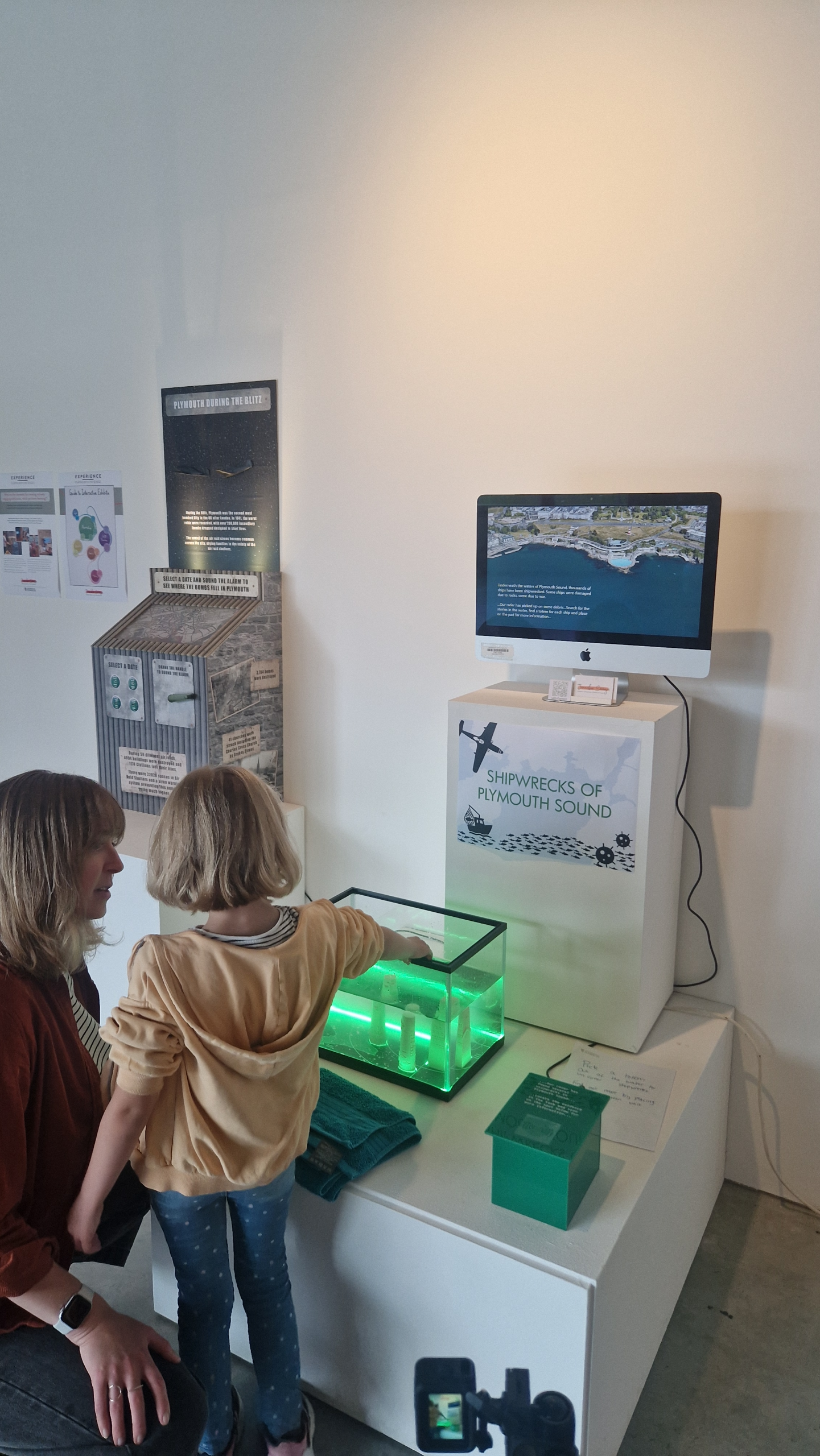
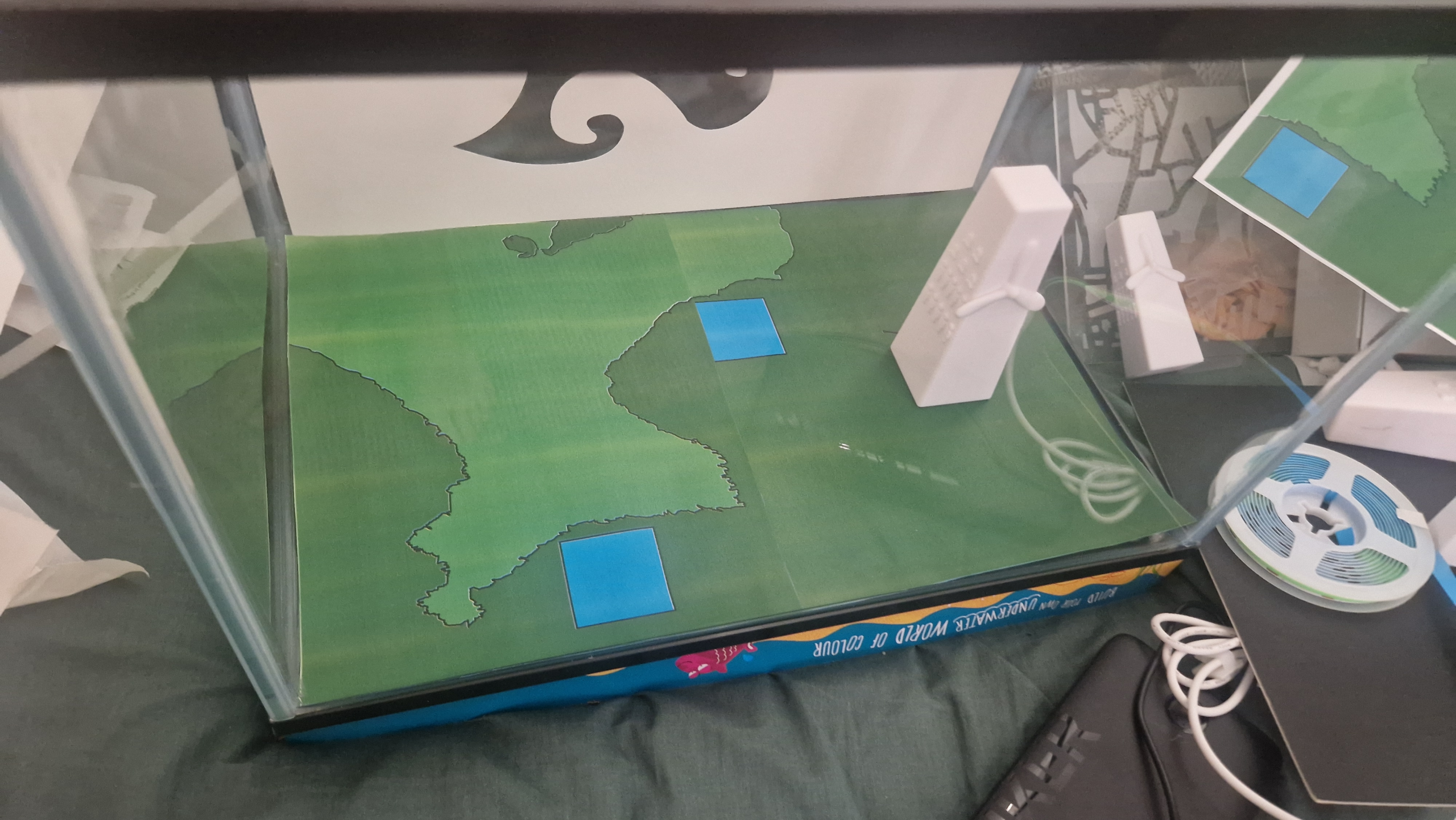
The exhibit places you in the role of a diver approaching a wreck. You come to a tank of water — submerged inside are the totems, visible but not immediately clear. You can peer in, get a sense of what’s there, and choose whether to go further. Like a diver spotting an artefact on the seabed, the decision to engage is yours.
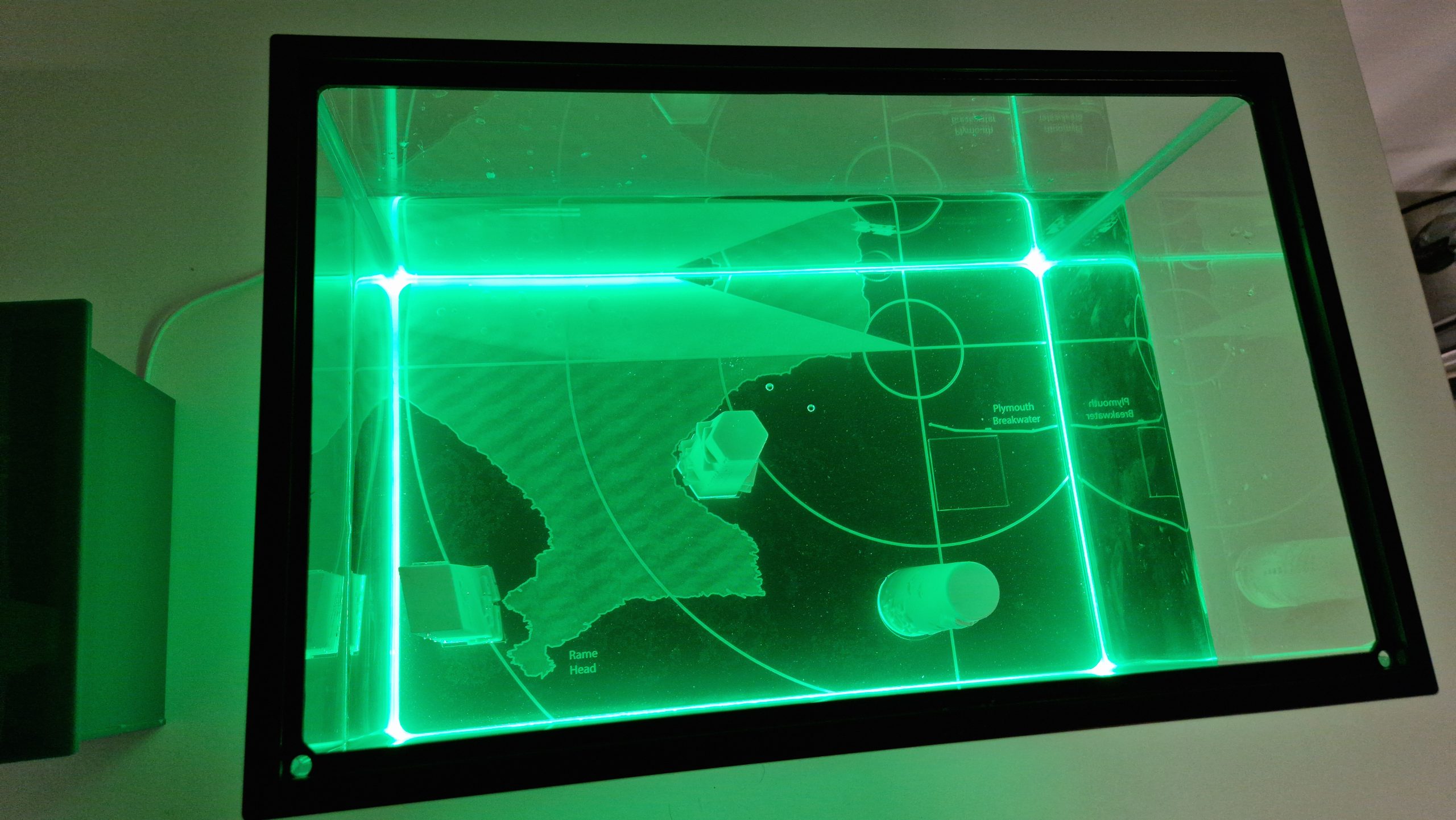
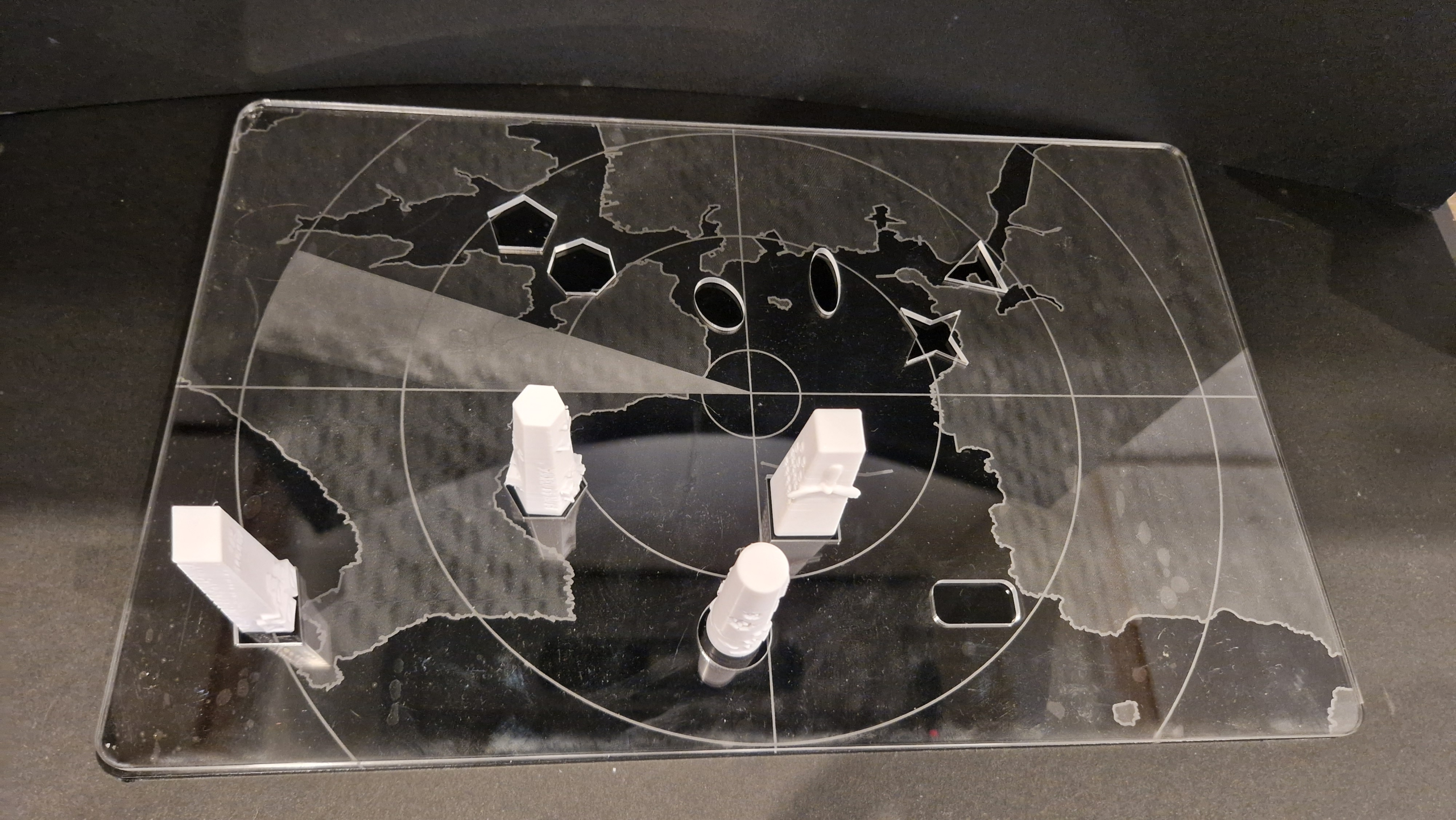
Each totem sits at its map location within the tank, coded by shape so you can orientate yourself without needing to read anything. The focus shifts from the map to the individual stories — pick up a totem, turn it in your hands, read its iconography. That’s your second level of engagement.
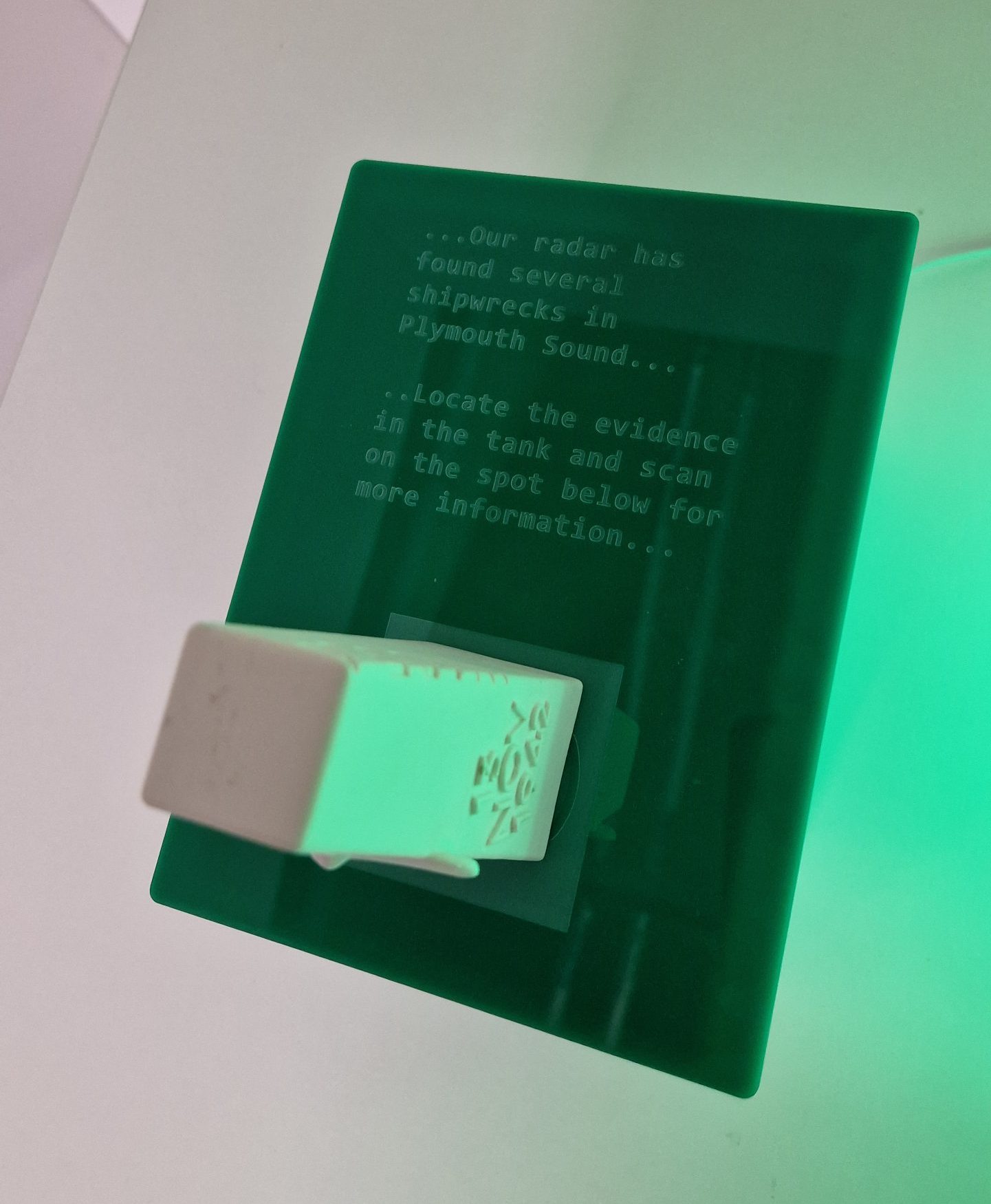
If you want to go deeper, place the totem onto the podium. The NFC chip inside the totem activates the reader in the podium, unlocking the history of that specific vessel — displayed on screen, with the possibility of a Pepper’s Ghost projection bringing the data to life around the object itself.
Three levels of engagement. Look, touch, discover. You choose how far you dive.
Making it come to life
From defining the narrative lens that the exhibit is focussed through, the making of the prototype developed though user testing and experimentation.
1. Totem Design
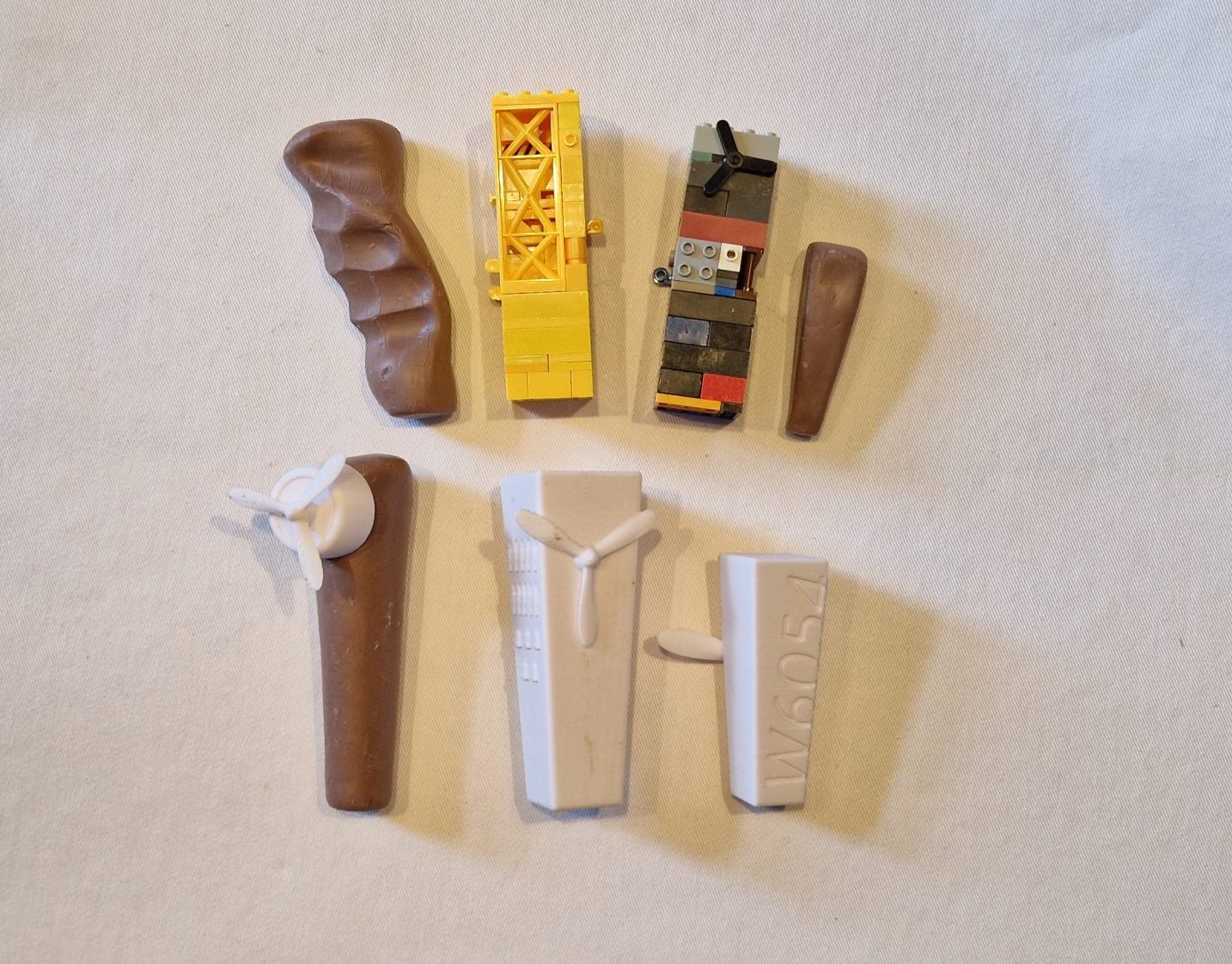
The challenge was to translate vast maritime data into a tactile alphabet.
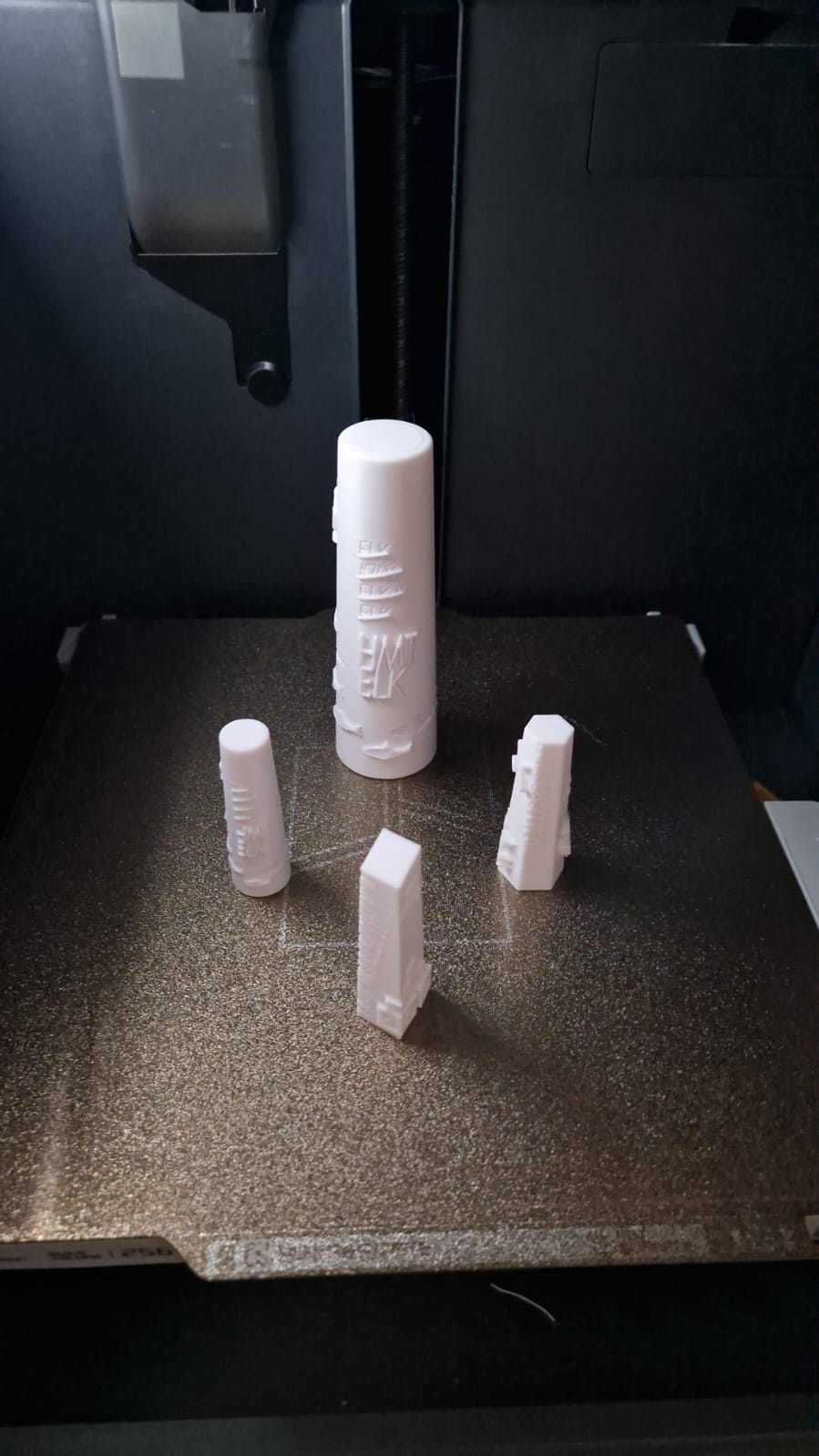
Translating maritime data into a tactile alphabet. I developed a design language where the geometry of each totem reflects the “personality” of the vessel it represents. Prototyped through Lego, Monster Clay and 3D printed elements to test scale, weight and intuition.
2. Material Development
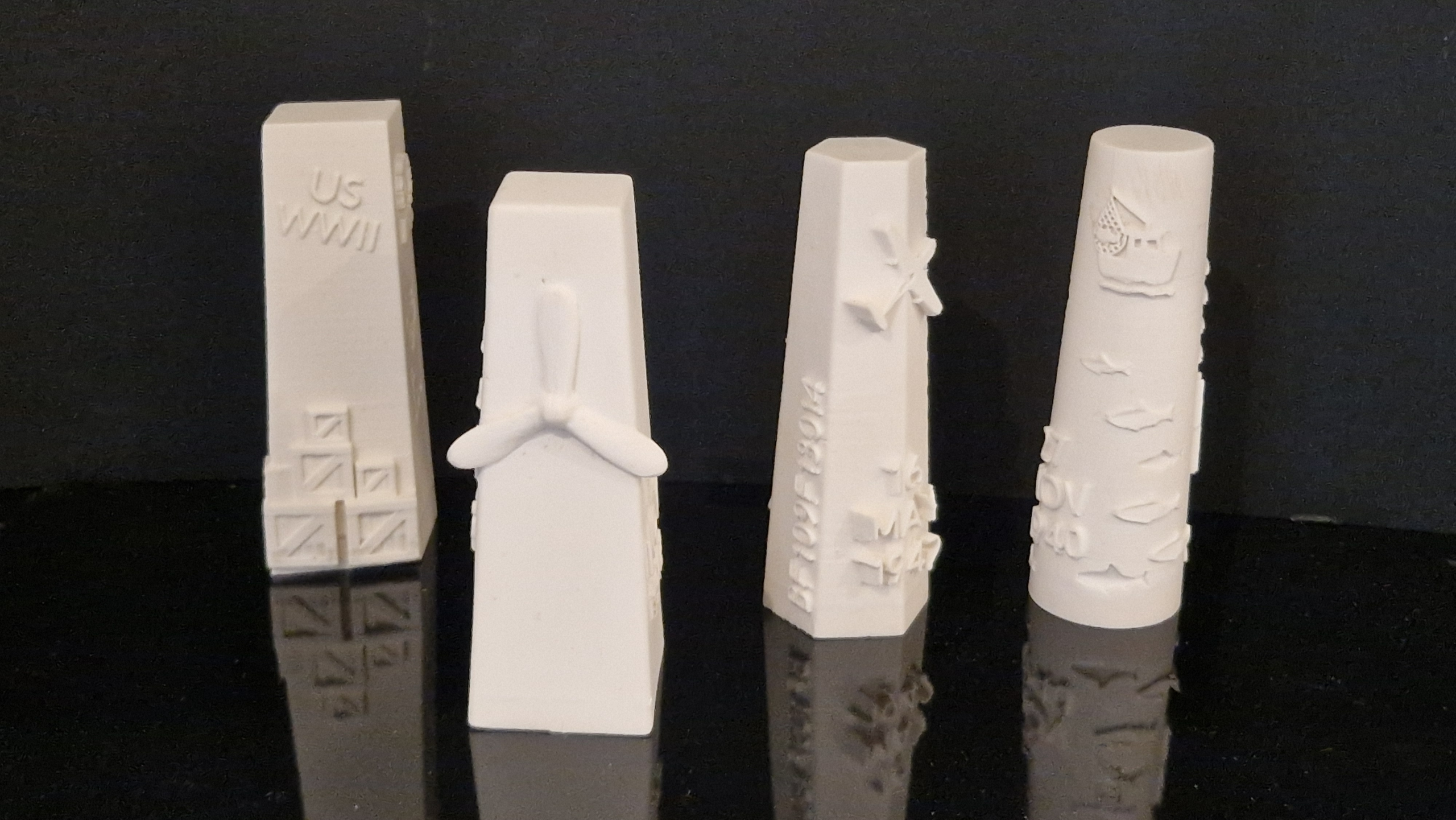
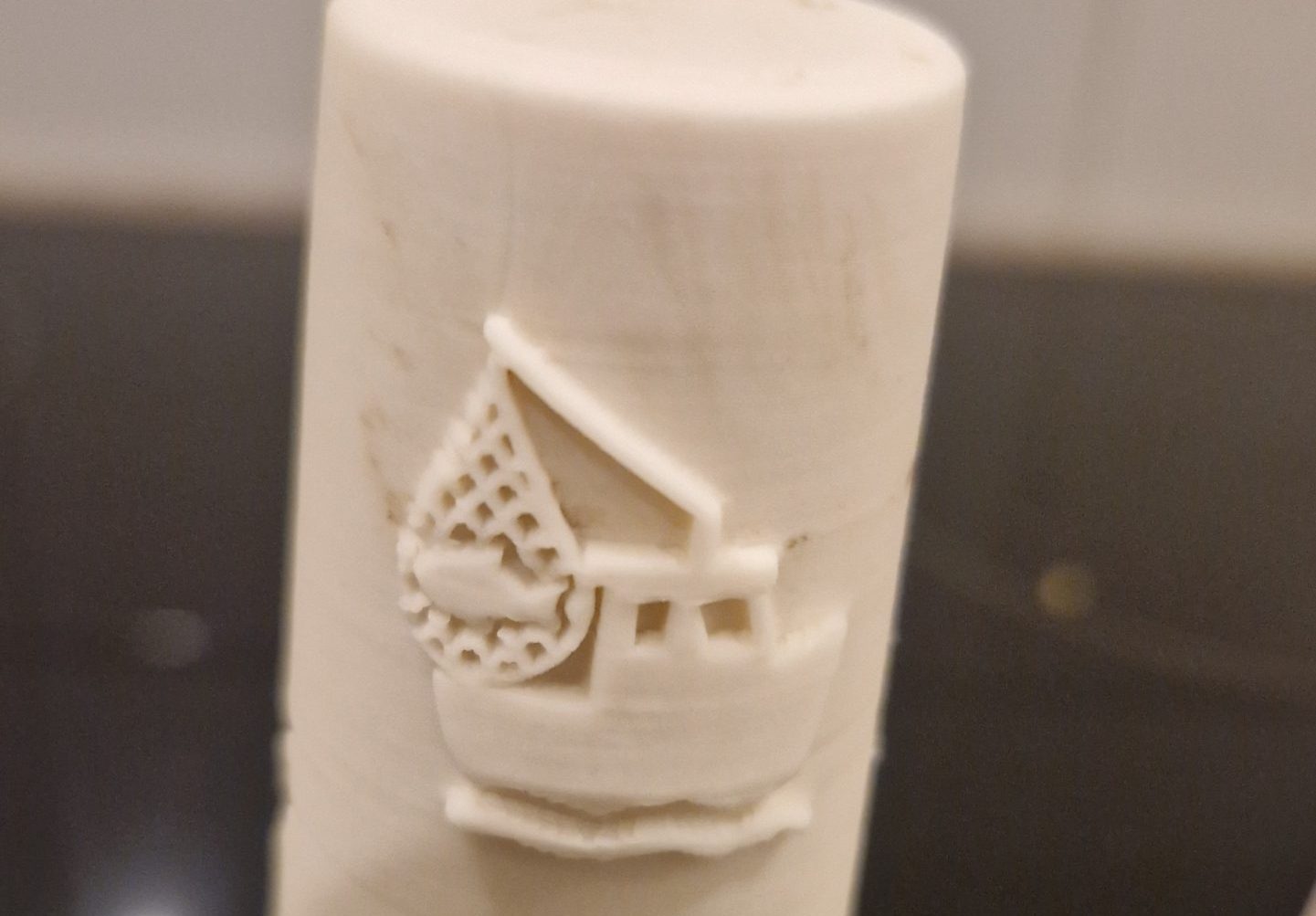
Jesmonite for rapid prototyping; resin for the final objects — selected for its ability to hold fine iconographic detail while surviving a “submerged” exhibit environment for the time on show.


3. The Interface
A laser-etched acrylic radar map with peripheral LED illumination to create visual depth and mimic sonar. This environment was designed specifically to break the Museum barrier, physically inviting the visitor to reach into the narrative.
4. Digital layer
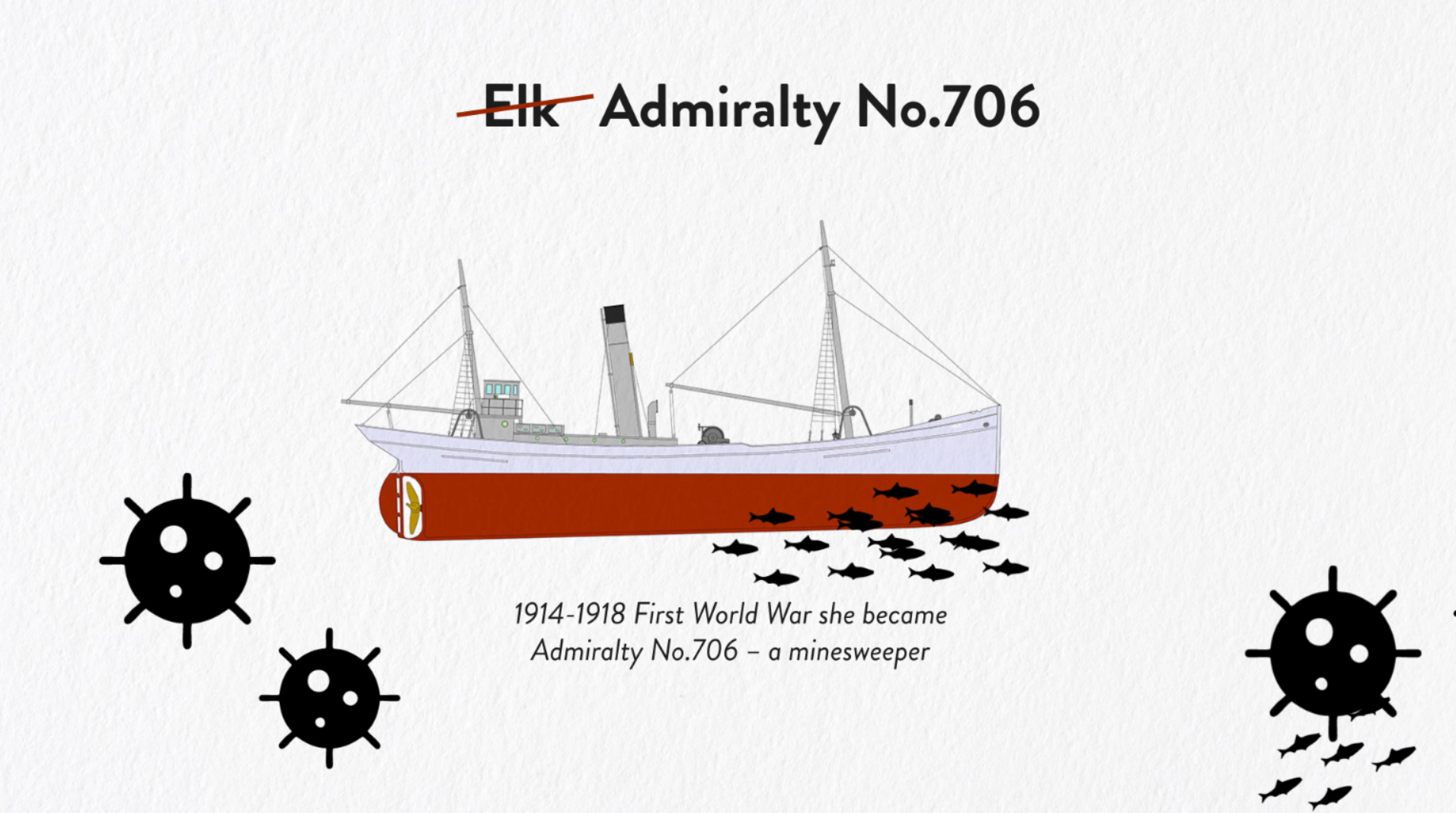
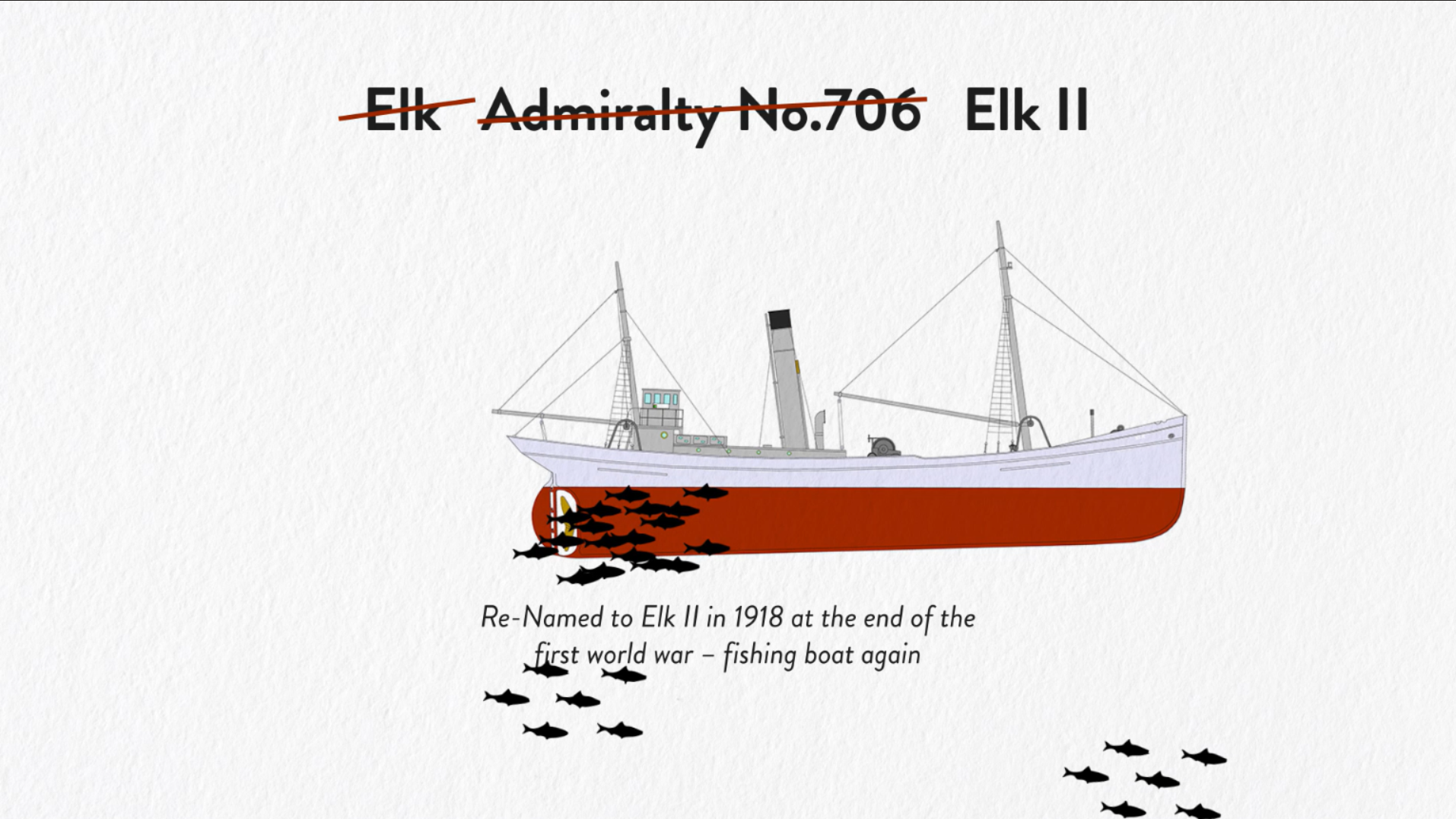
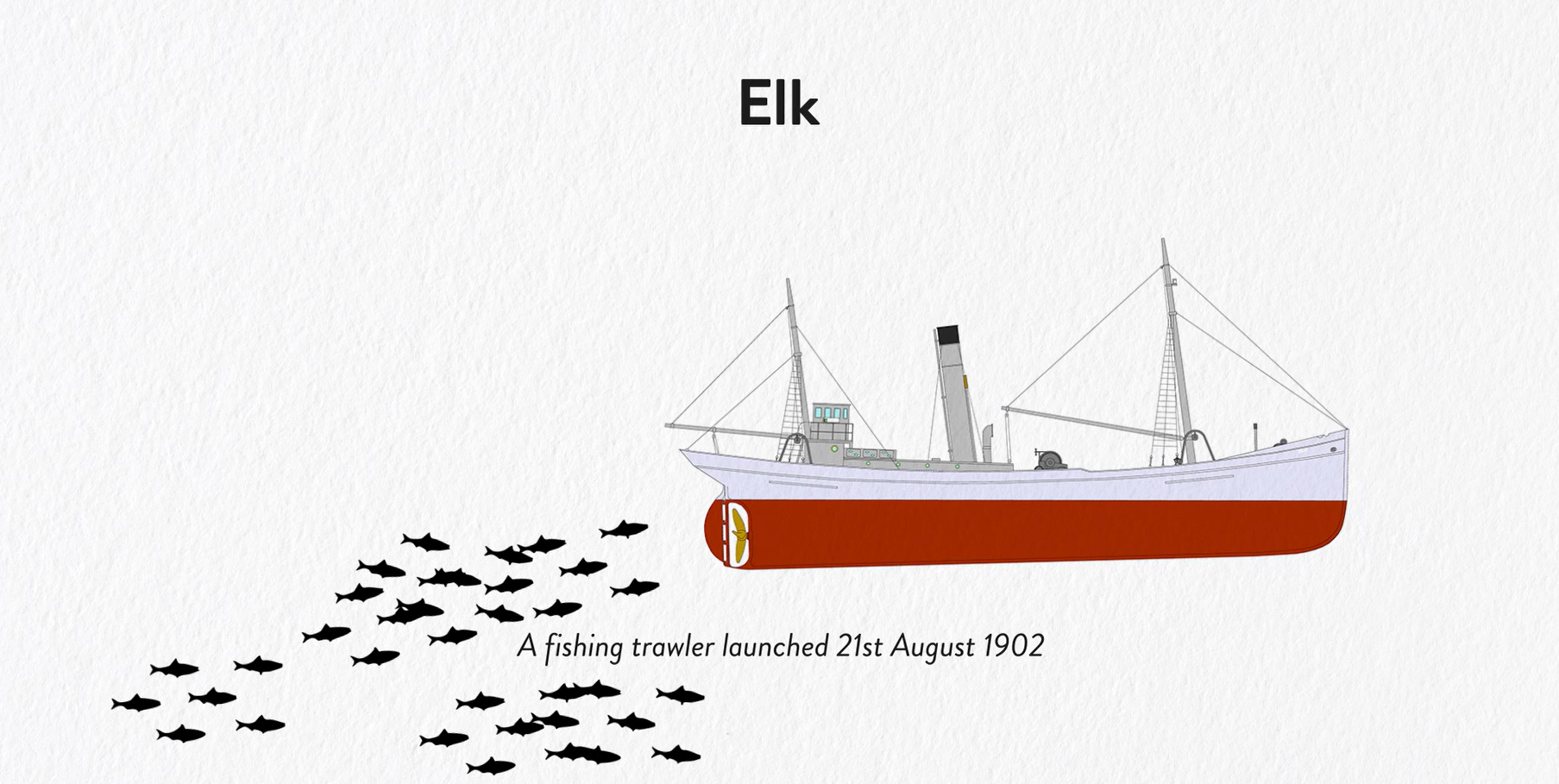
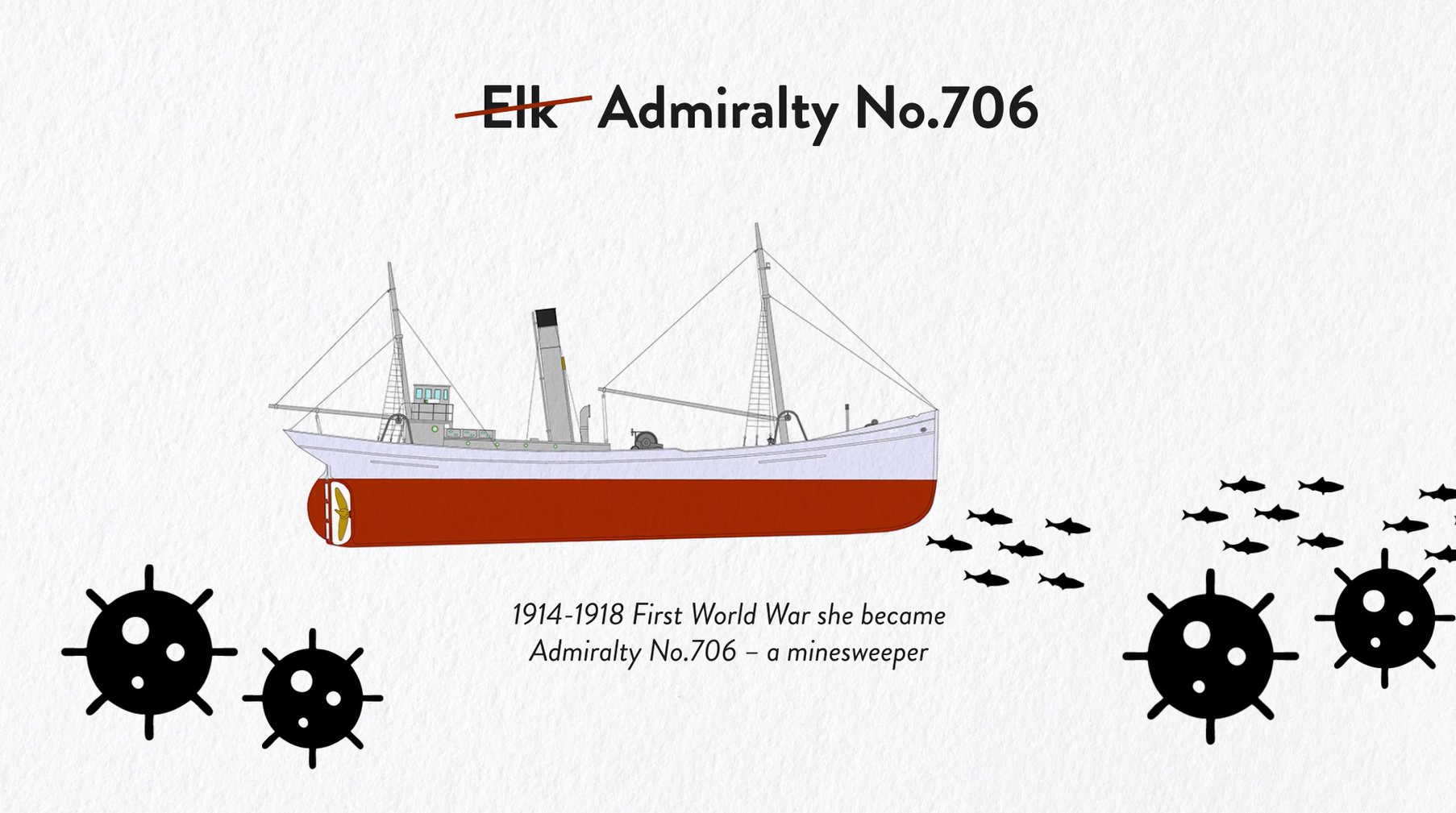
Archival content deconstructed into dynamic assets that react to each specific totem — immediate visual reward for physical exploration.
5. Systems Integration: Arduino & NFC
NFC-driven Arduino system with a waterproofed reader podium. The technology is invisible to the visitor; the experience is not, maintaining a robust “Play-Agency” loop.
See the research framework behind this project →

What it proved
When people have physical agency over digital data, engagement isn’t just higher — narrative retention increases. The hand leads the mind.
Gallery of making
Other Projects
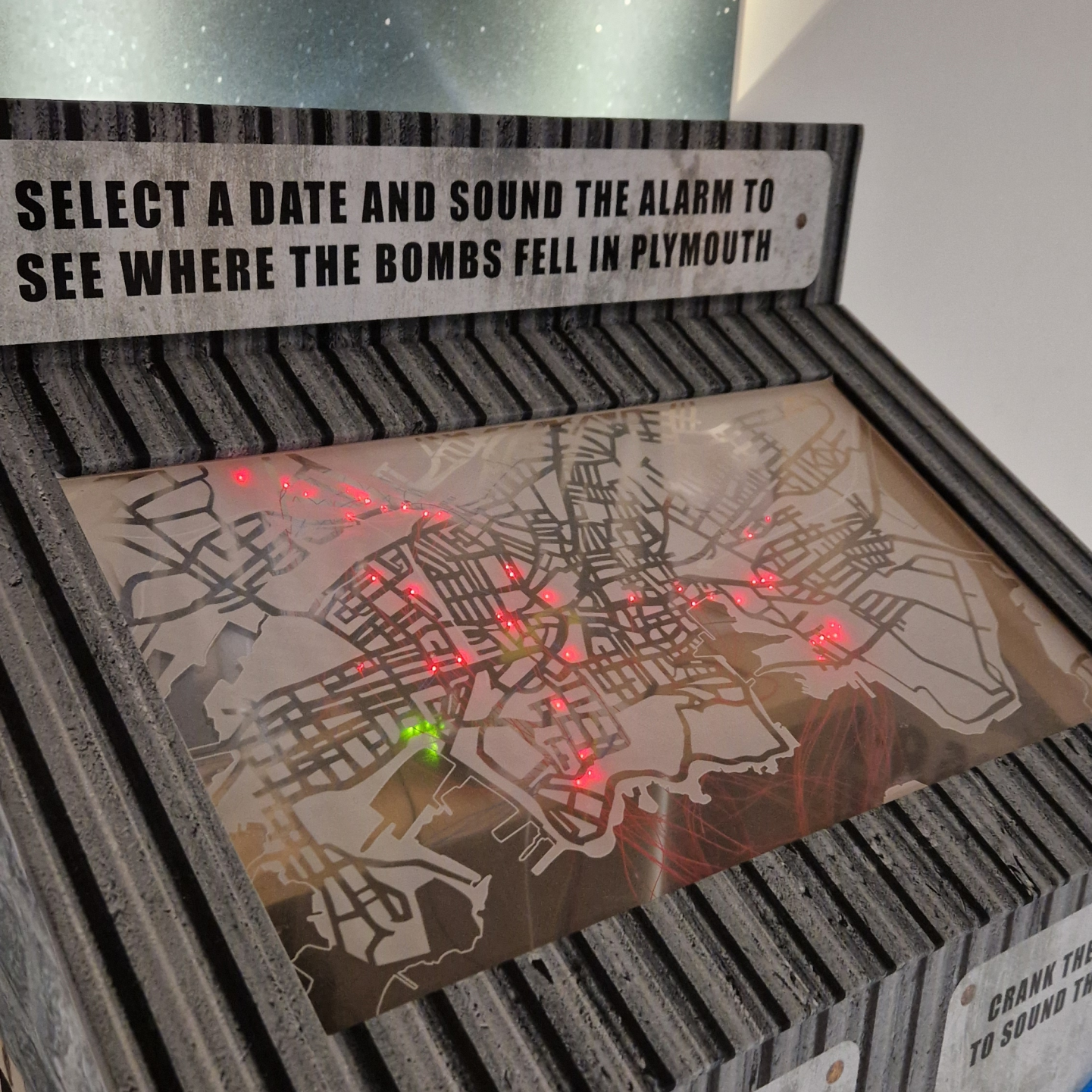
The Bomb Book
Disconnect: Freya’s Story

