Heritage & interpretation
Abbott x savage
Through the power of 3d scanning, making a seventeenth century ceiling something you can hold.
The Project
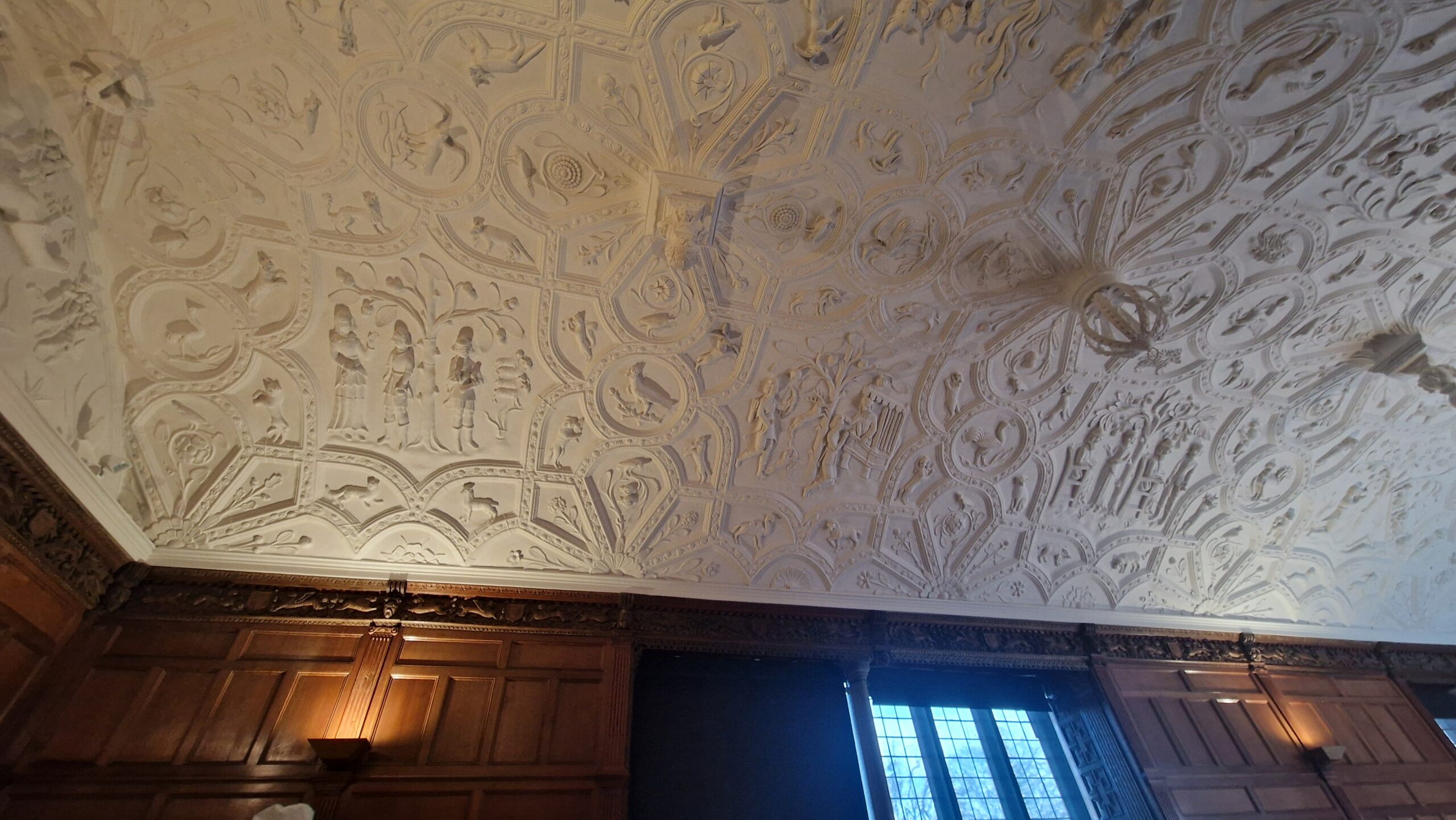
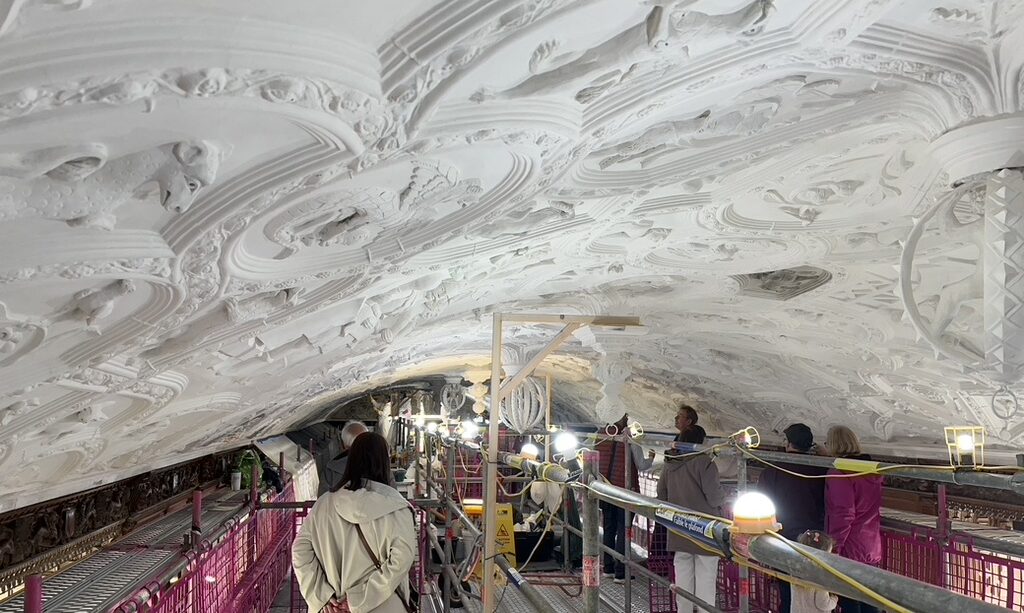
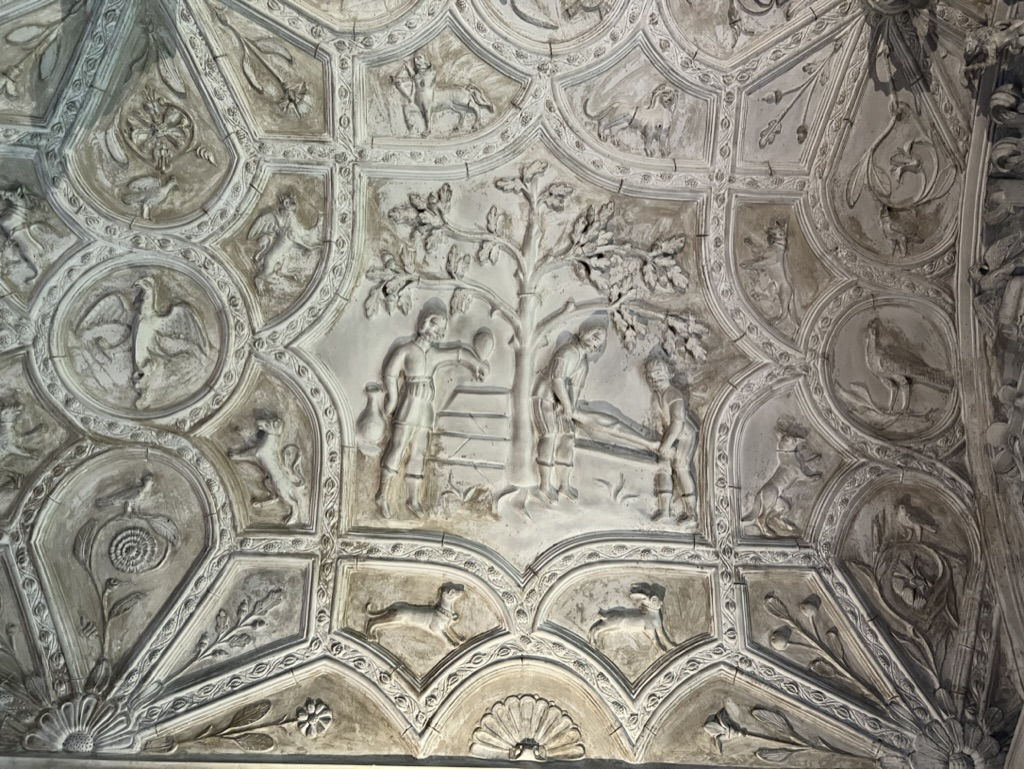
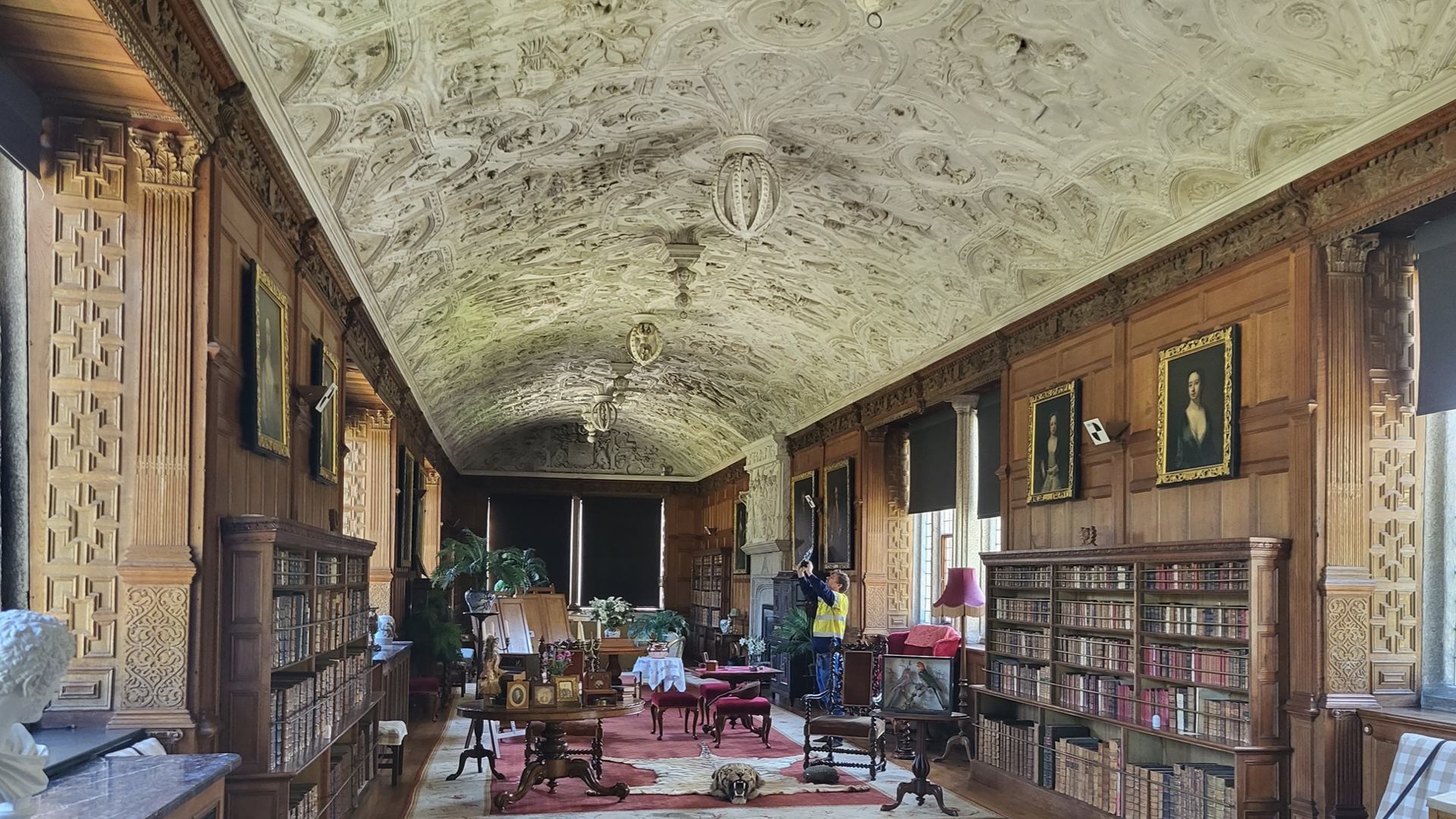
Lanhydrock House in Cornwall is home to one of Britain’s most remarkable Jacobean plaster ceilings — created by the Abbott family of Frithelstock between 1620 and 1640, depicting biblical scenes, mythical beasts and animals across the Long Gallery. For most visitors it’s breathtaking but impossibly distant — something you crane your neck to see thirty feet above.
The National Trust approached this as a preservation project, commissioning 3D scans to safeguard the ceiling against further deterioration. The opportunity that emerged was something more interesting — could four centuries of master craftsmanship be brought into people’s hands?
The project was named Abbott x Savage deliberately. This was a collaboration across time, and the credit belongs as much to the original craftsmen as to the interpretation.
The Response
To use scan data from the ceiling to create a range of objects for sale in the gift shop — engaging visitors, deepening their understanding of the property, and giving them a reason to return.
Three goals: Engage. Understand. Return.
Making it come to life
From defining the narrative lens that the exhibit is focussed through, the making of the prototype developed though user testing and experimentation.
1. Scanning
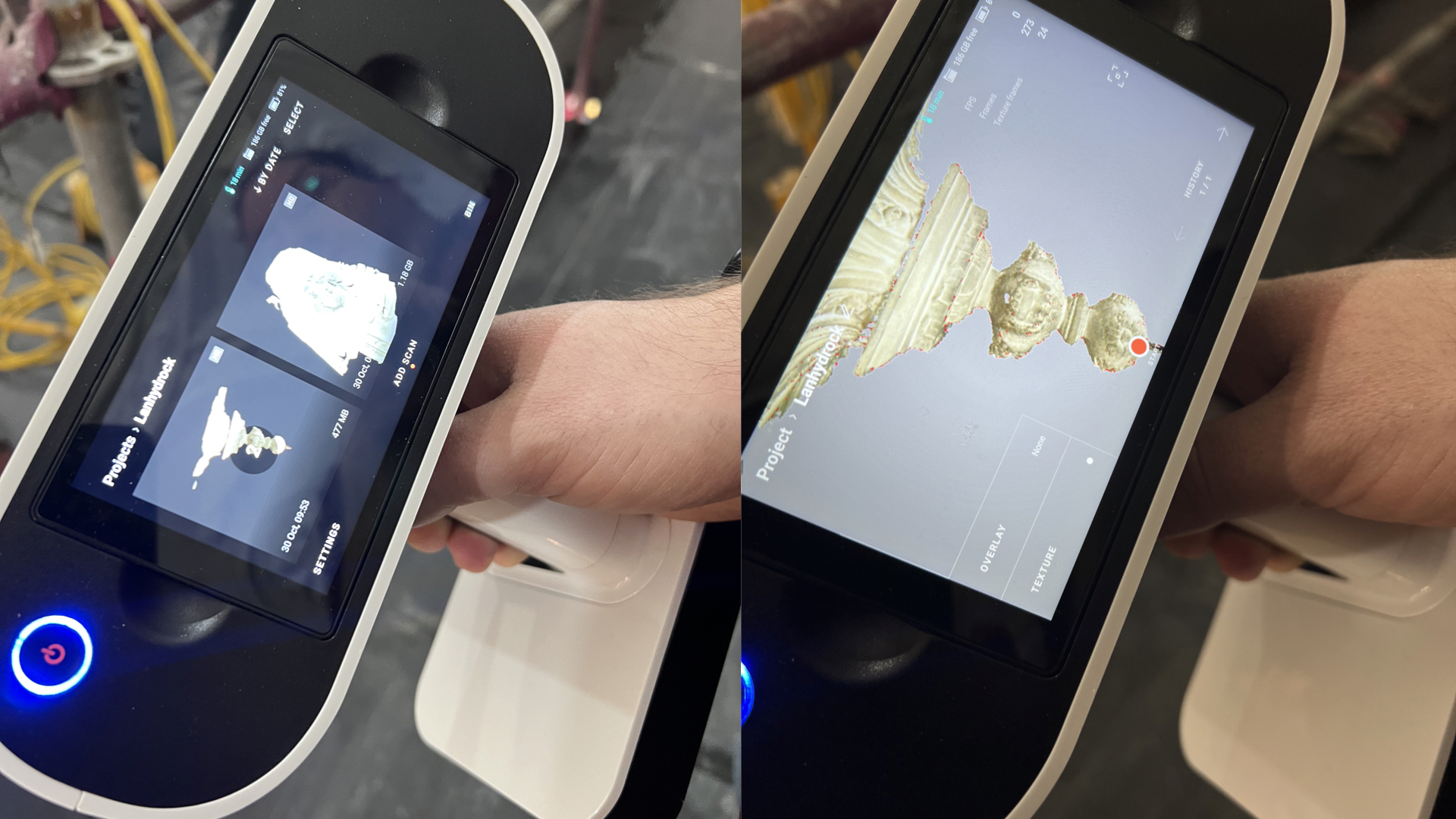
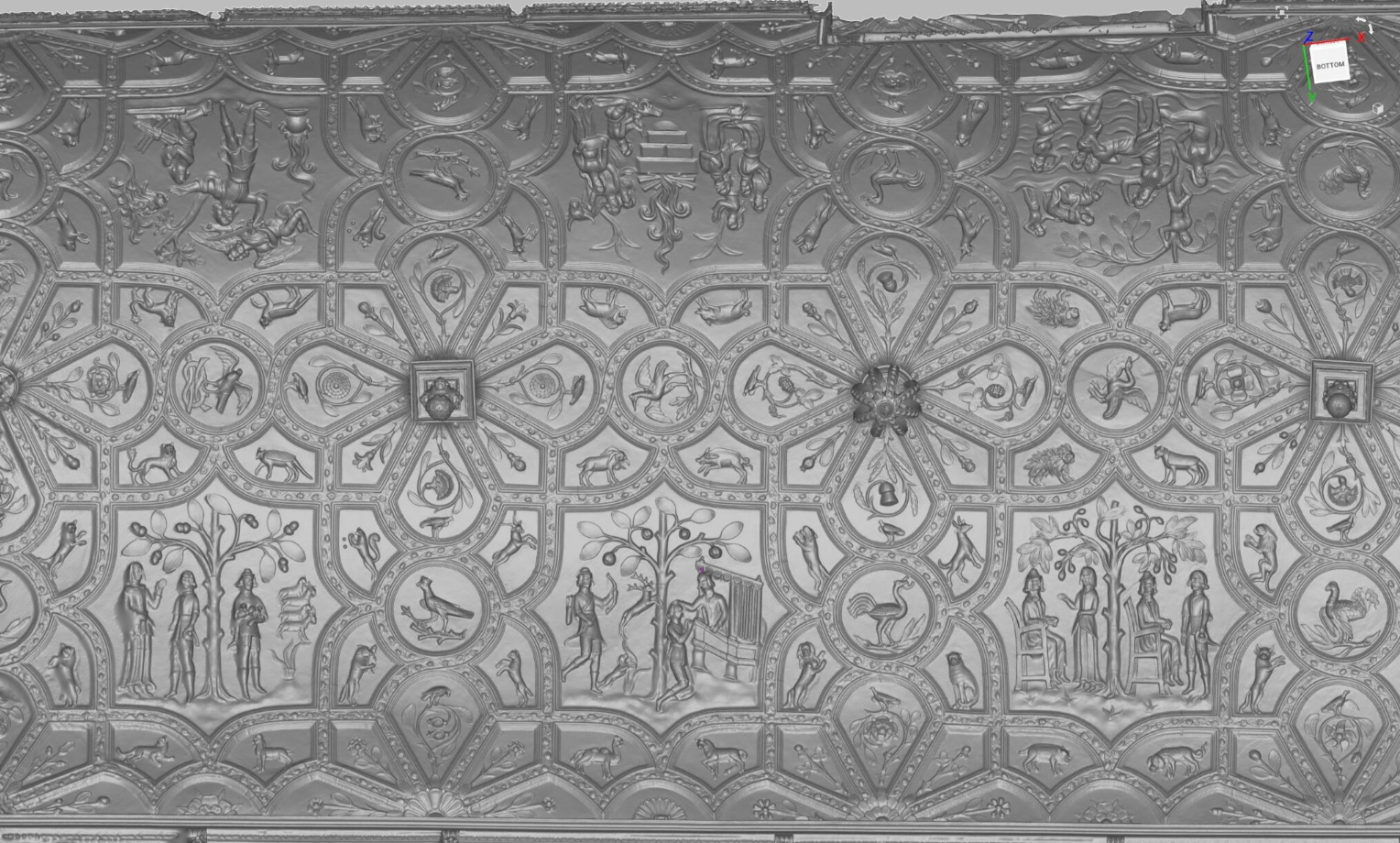
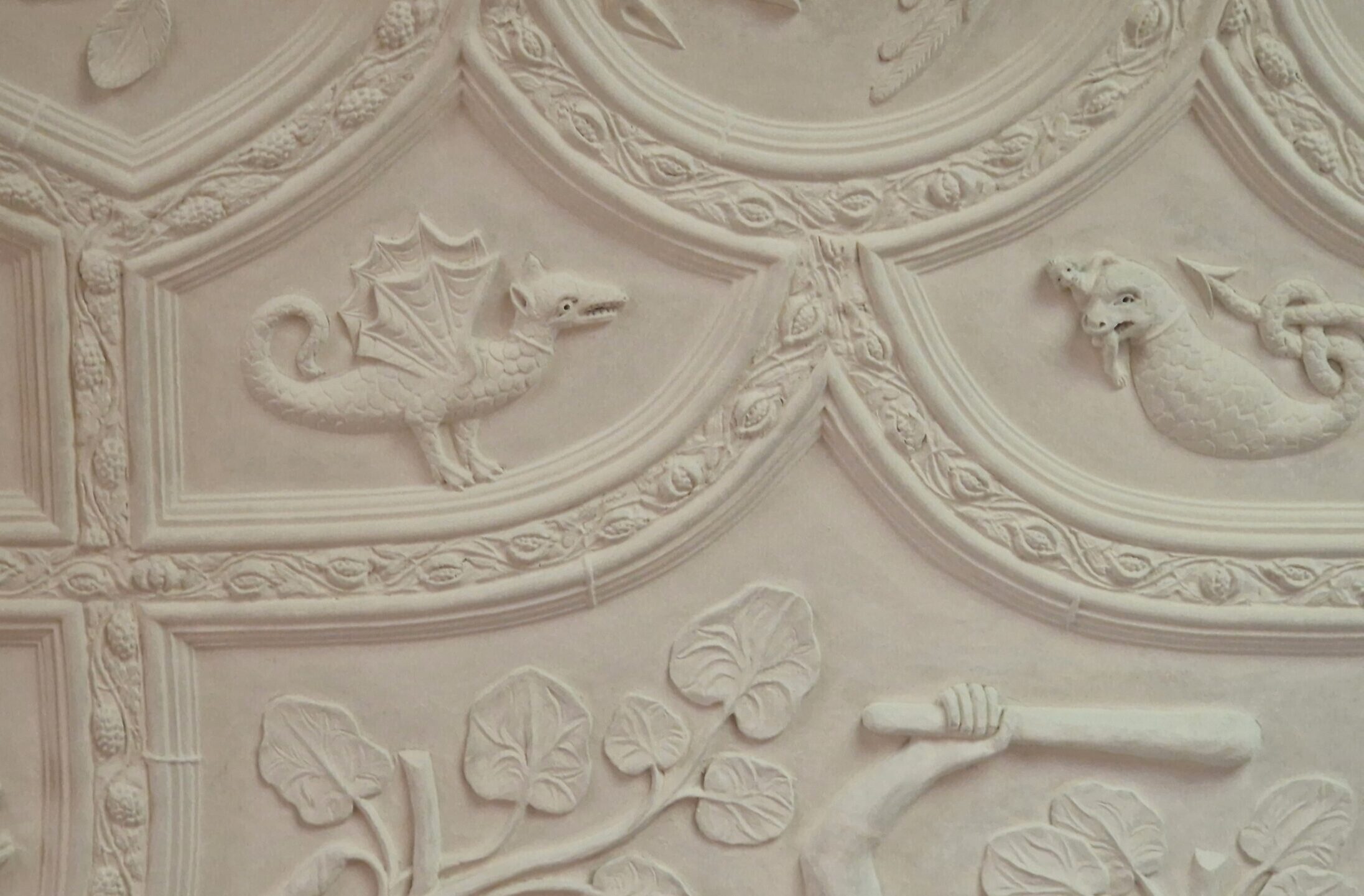
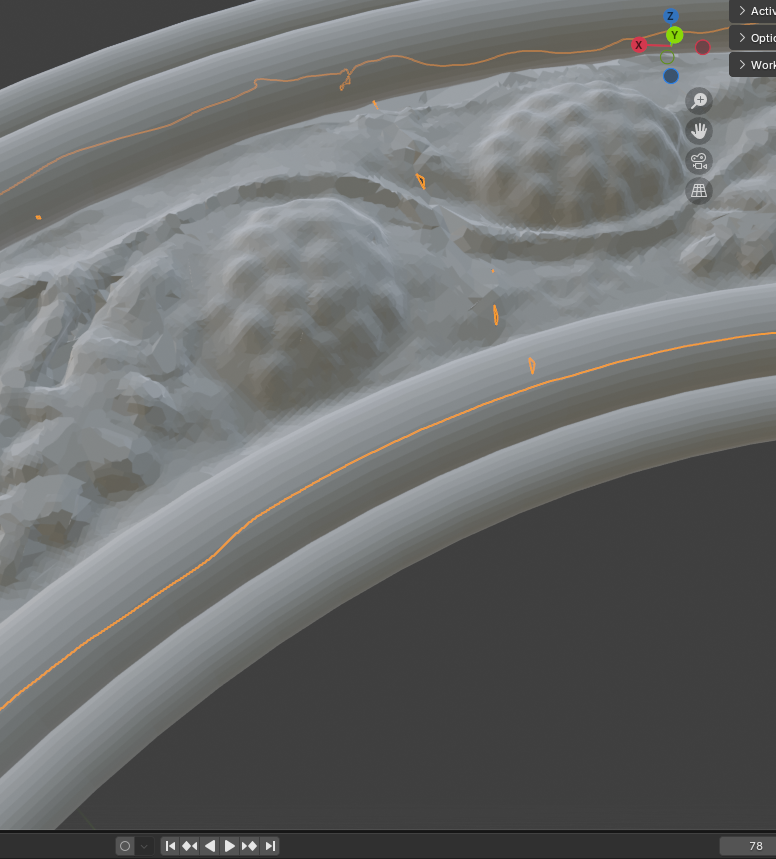
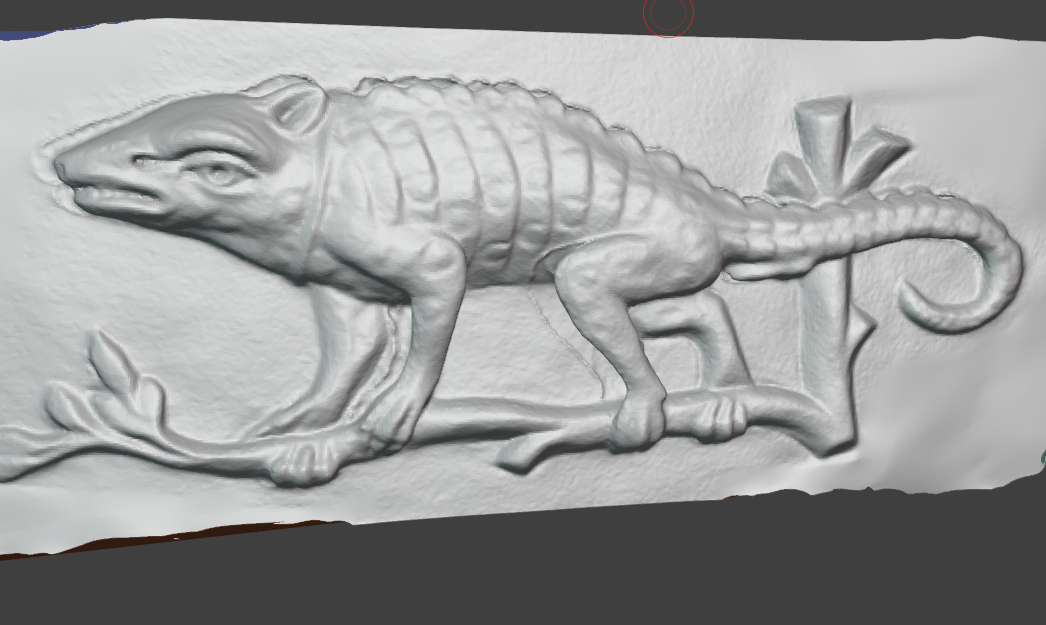
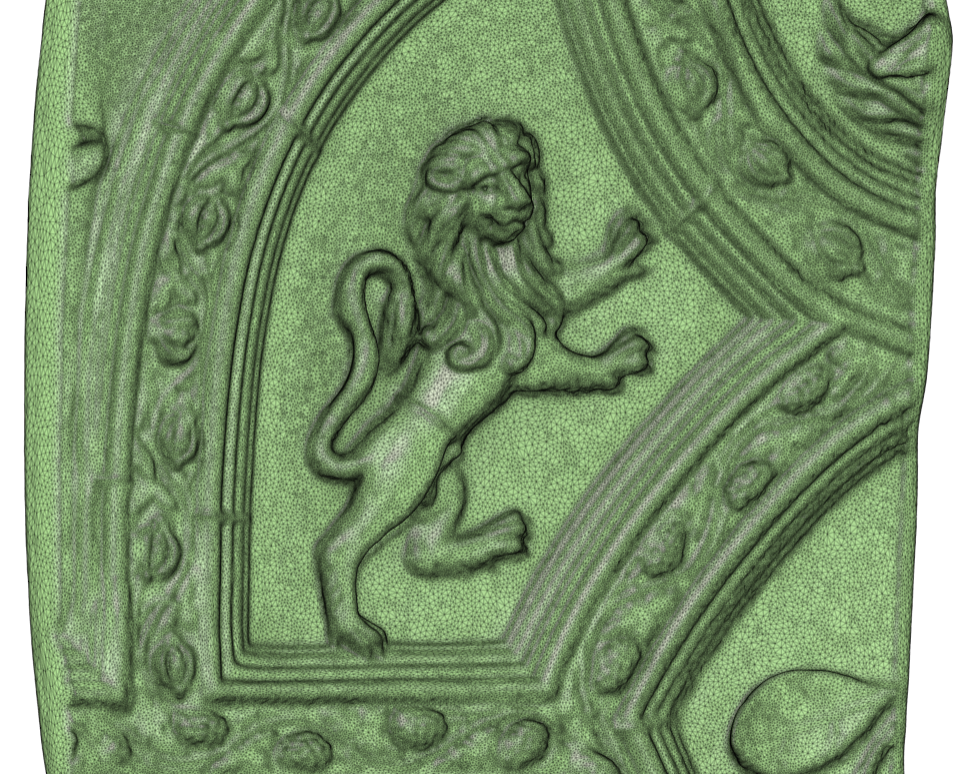
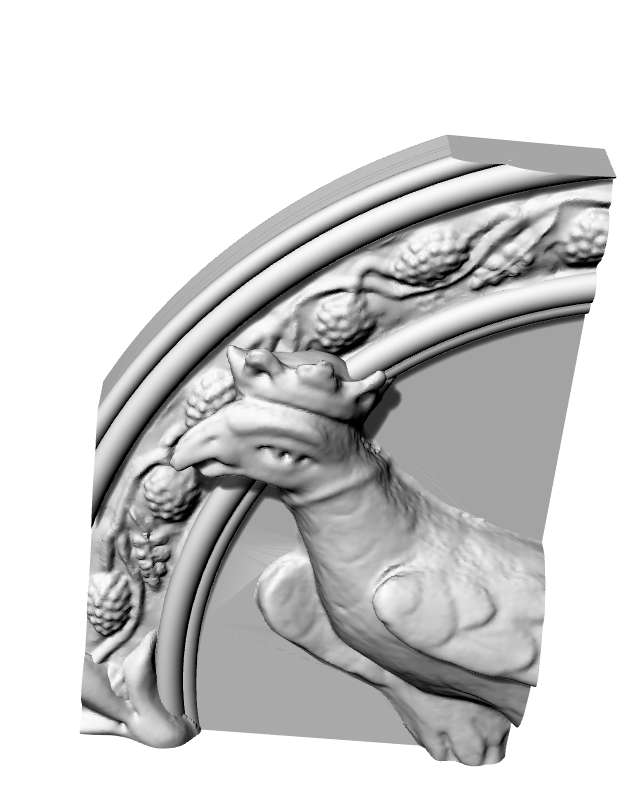
Two scanners were used — a Ray II for large scale spatial scanning of the house and grounds, and a Leo for detailed close-up scanning of individual ceiling motifs. The resulting mesh data captured sub-millimetre detail of the plasterwork.
2. Selecting a focus
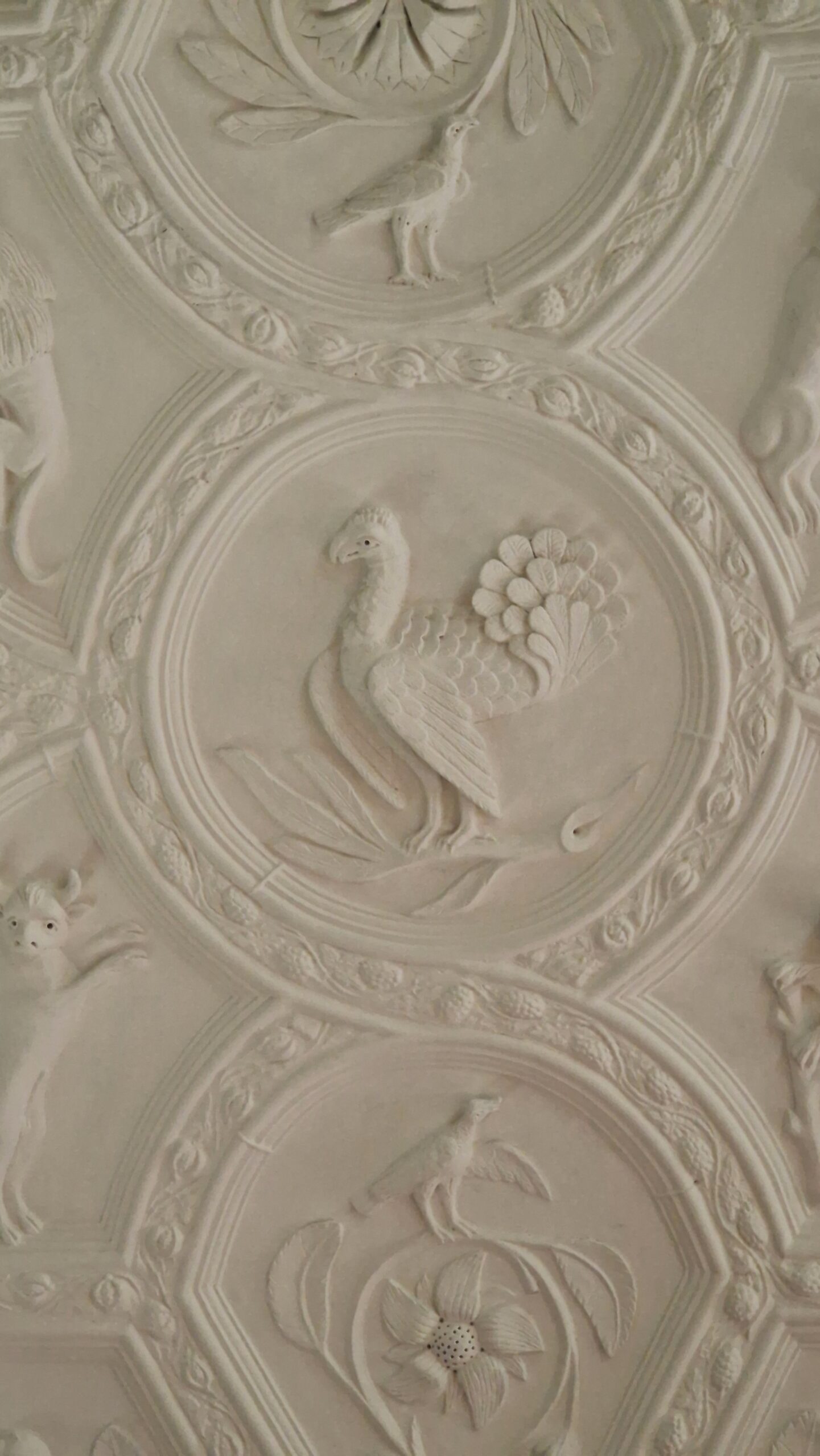
The ceiling depicts dozens of biblical scenes alongside animals and mythical creatures. The animal motifs were chosen as the primary design language — universally engaging, visually strong, and appropriate for a broad audience including children.
3. Prototyping materials
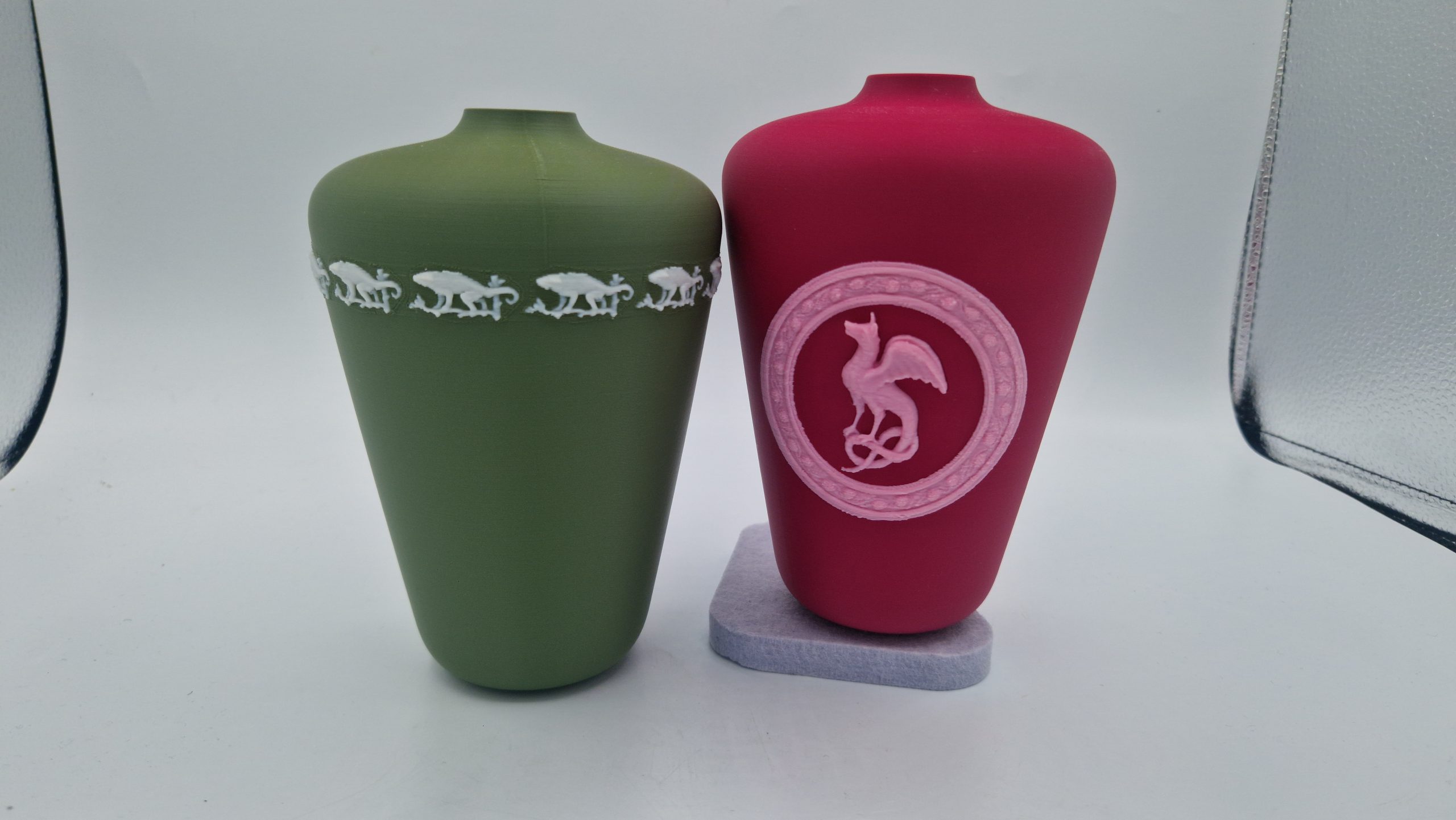
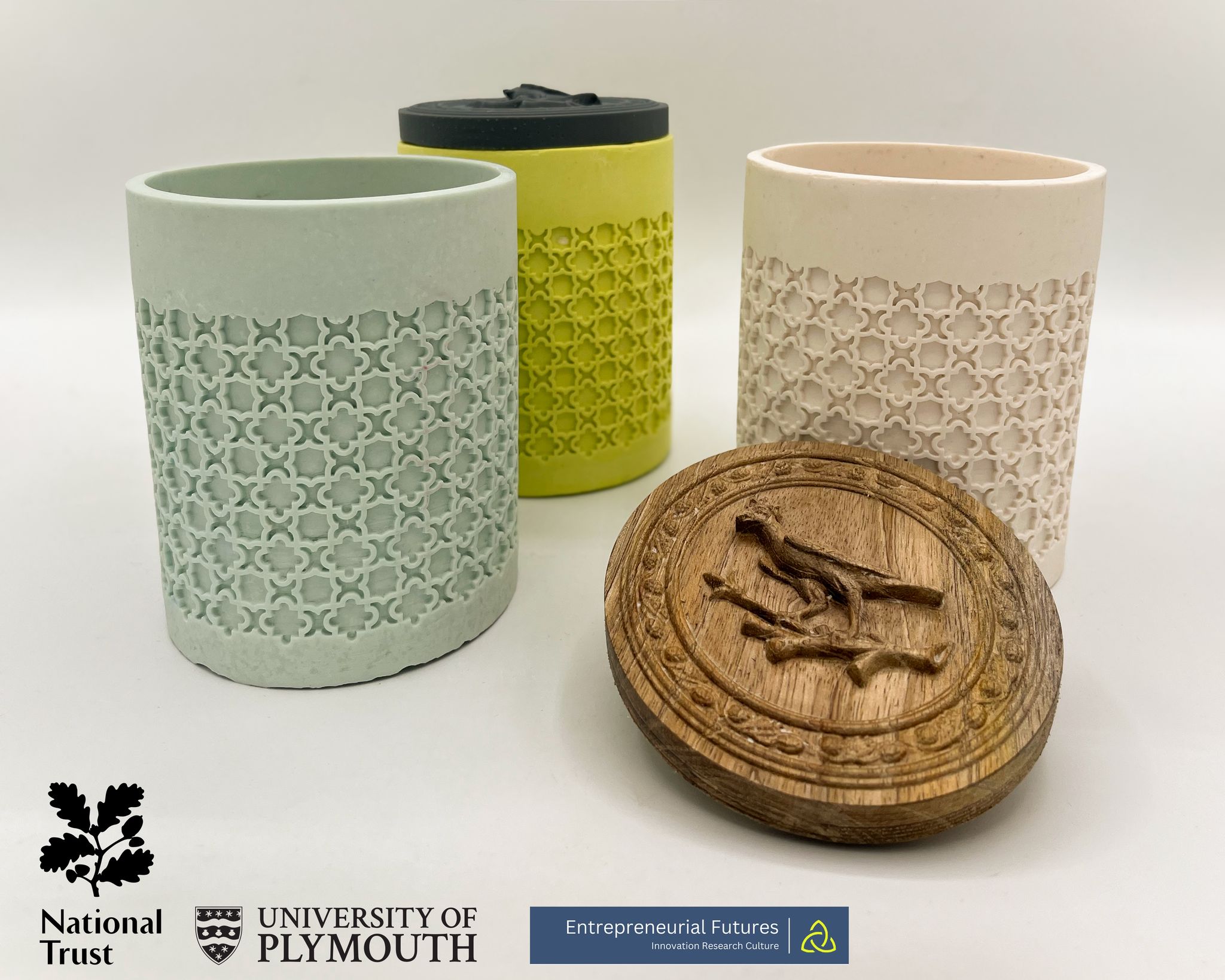
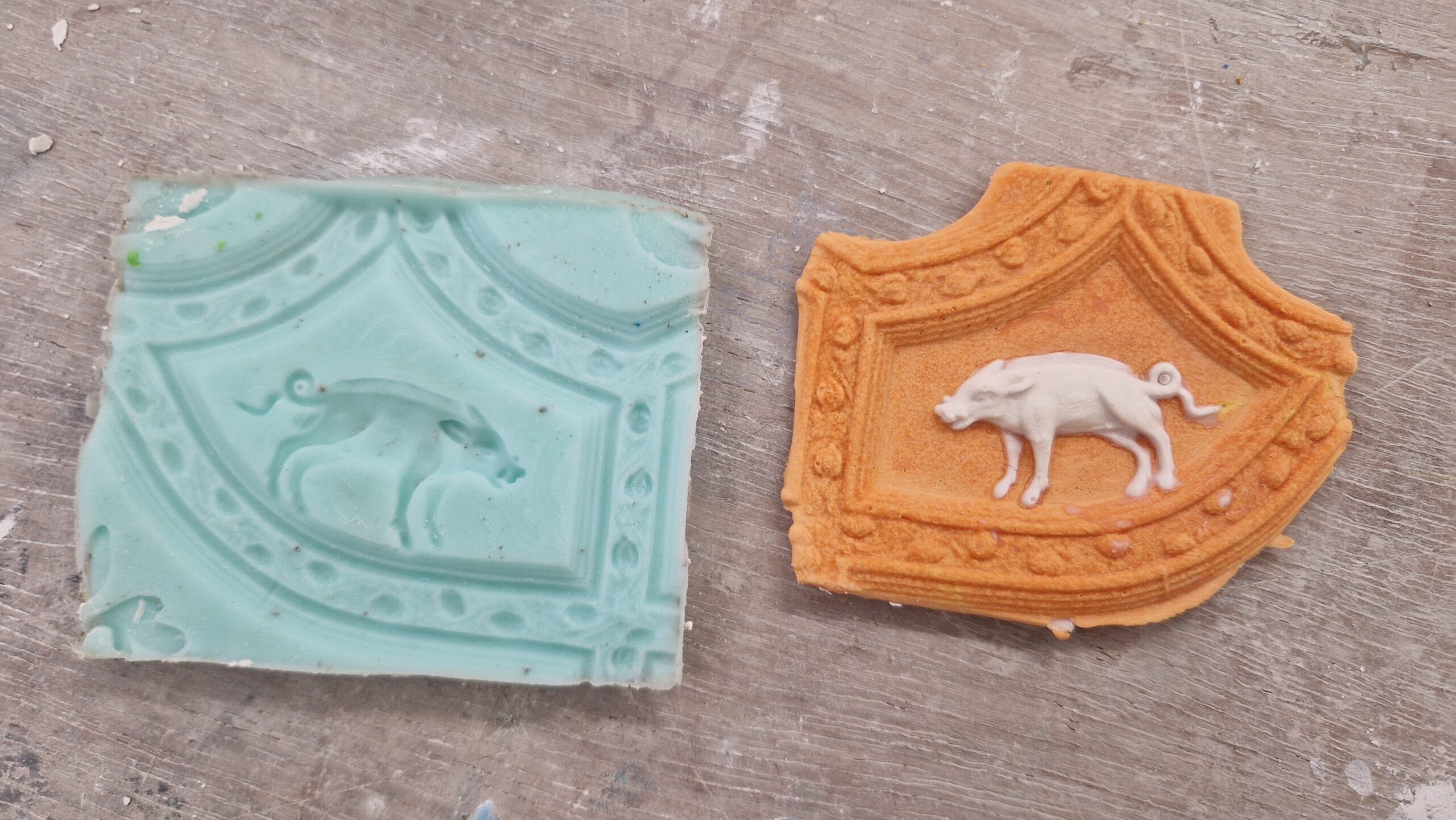
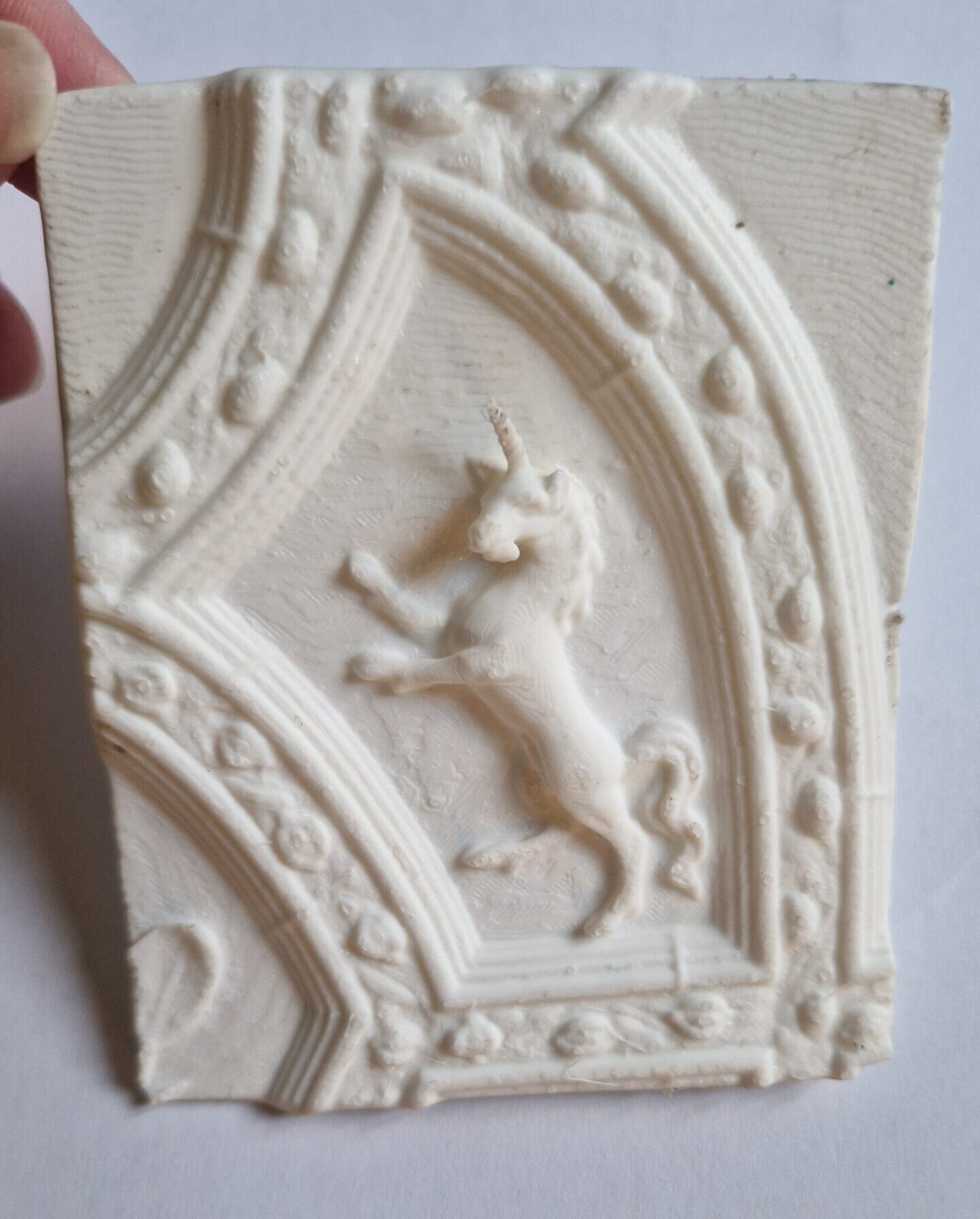
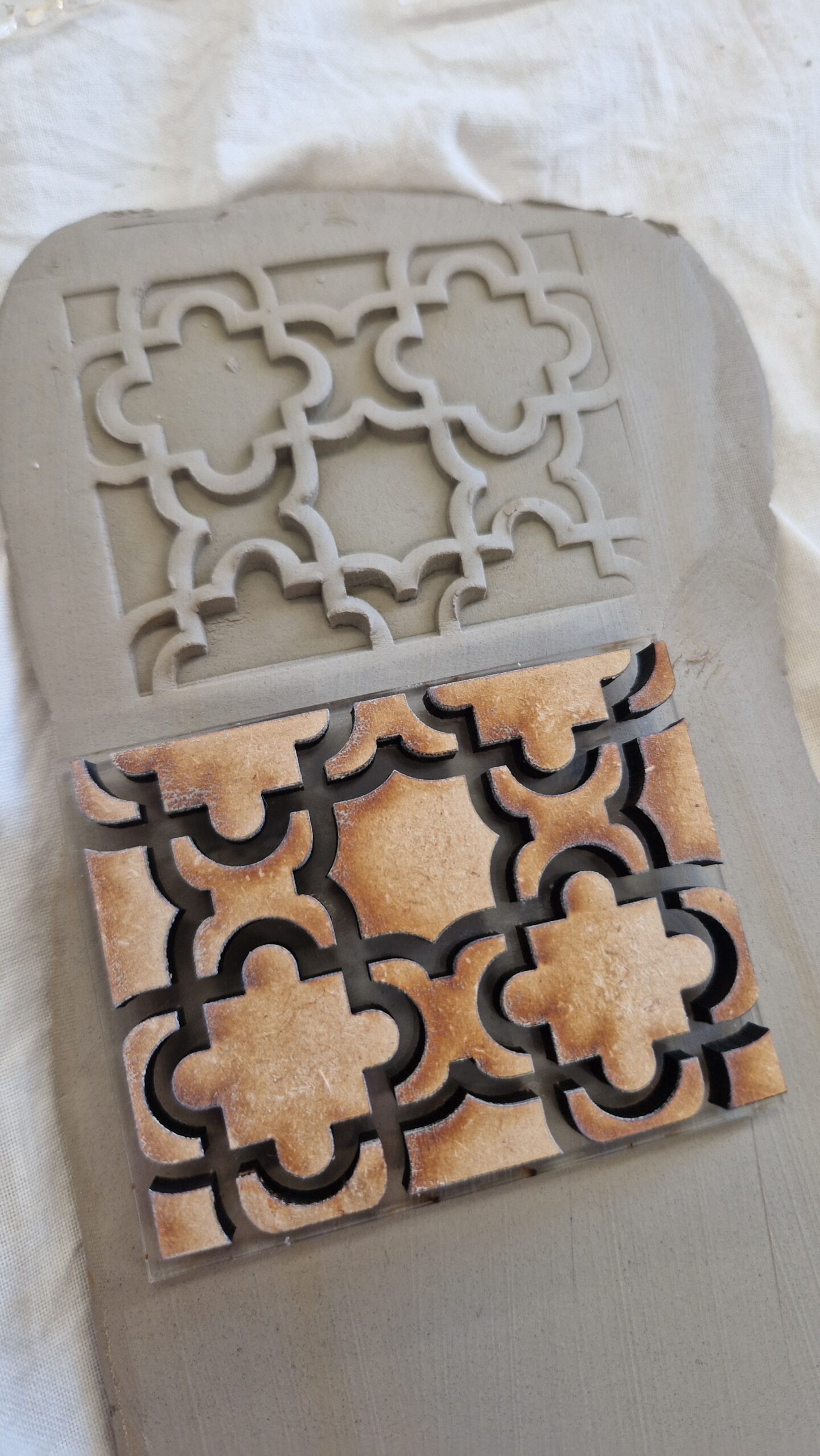
The scan data was tested across multiple materials and processes — filament printing vs resin printing (resin won for its ability to capture fine detail), Jesmonite casting, silicone moulds from printed masters, clay application using laser-cut pattern stamps, and chocolate casting in partnership with a local chocolatier for the café.

4. Digital layer
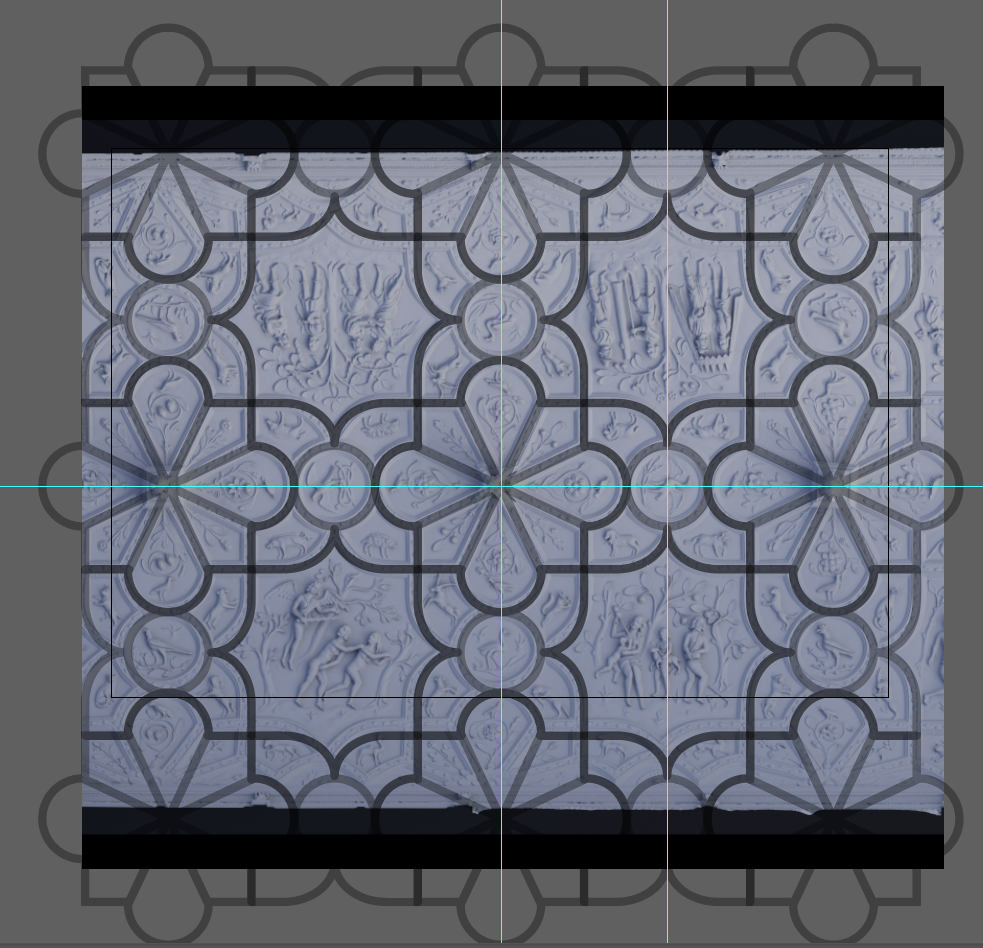
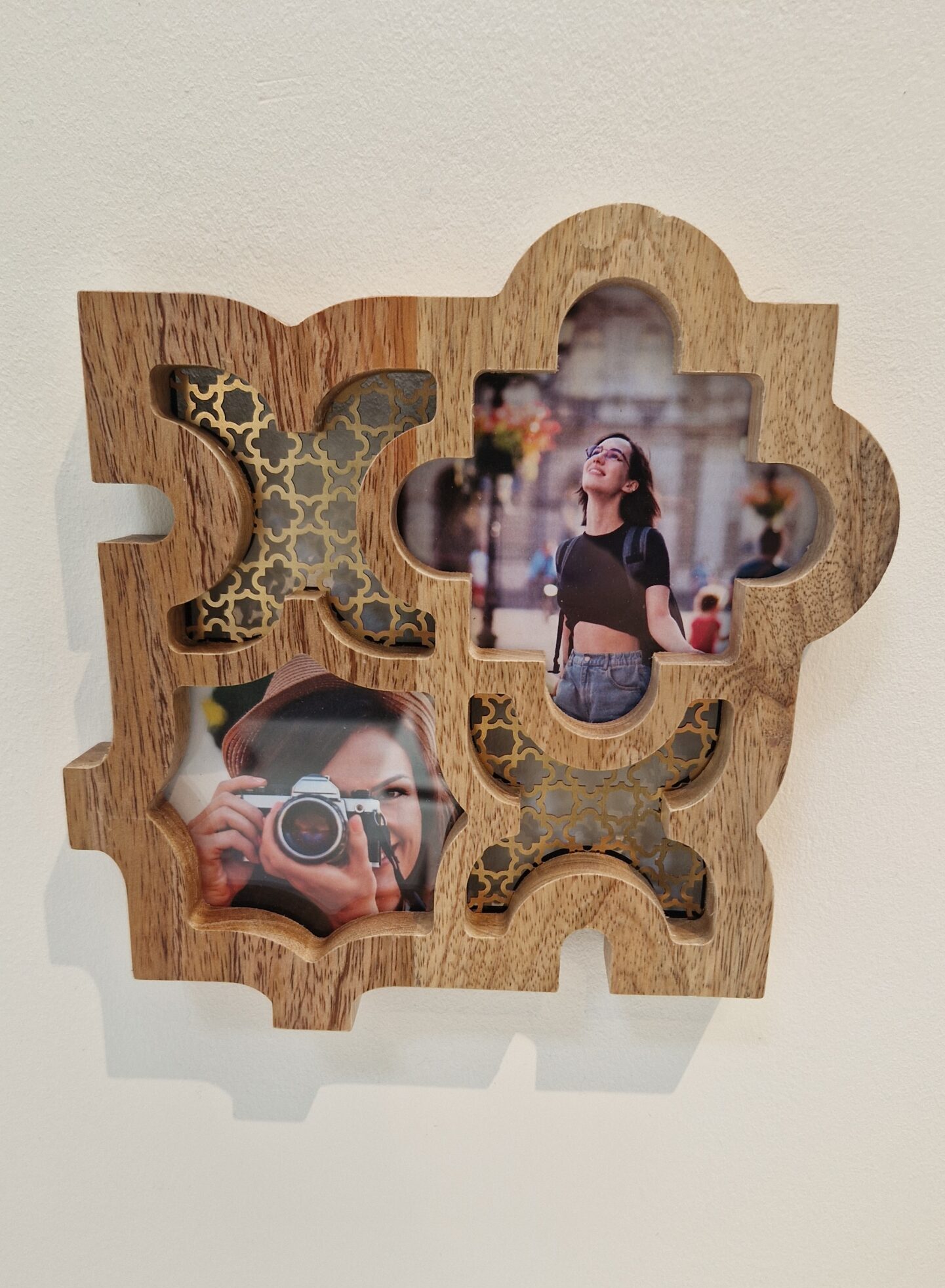
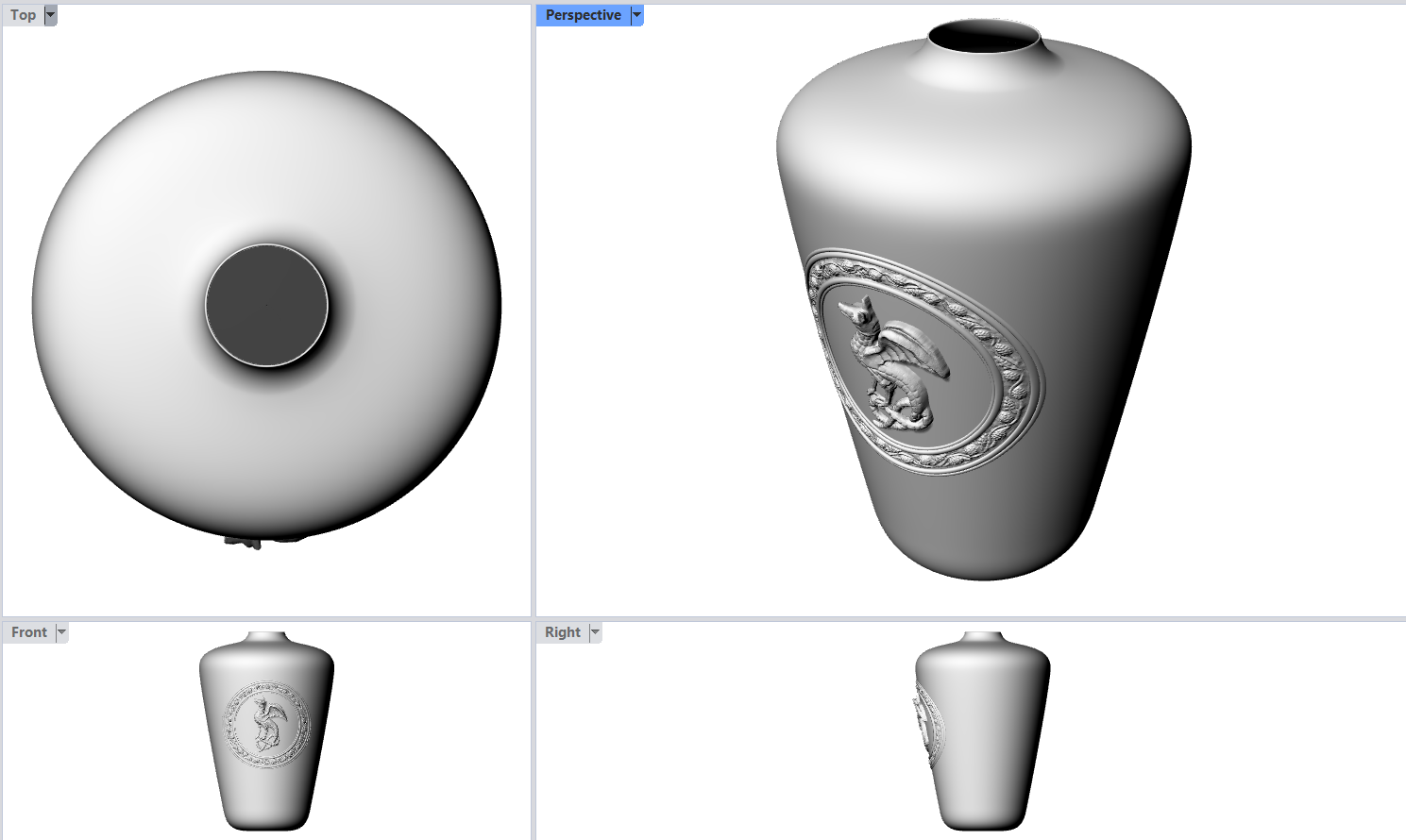
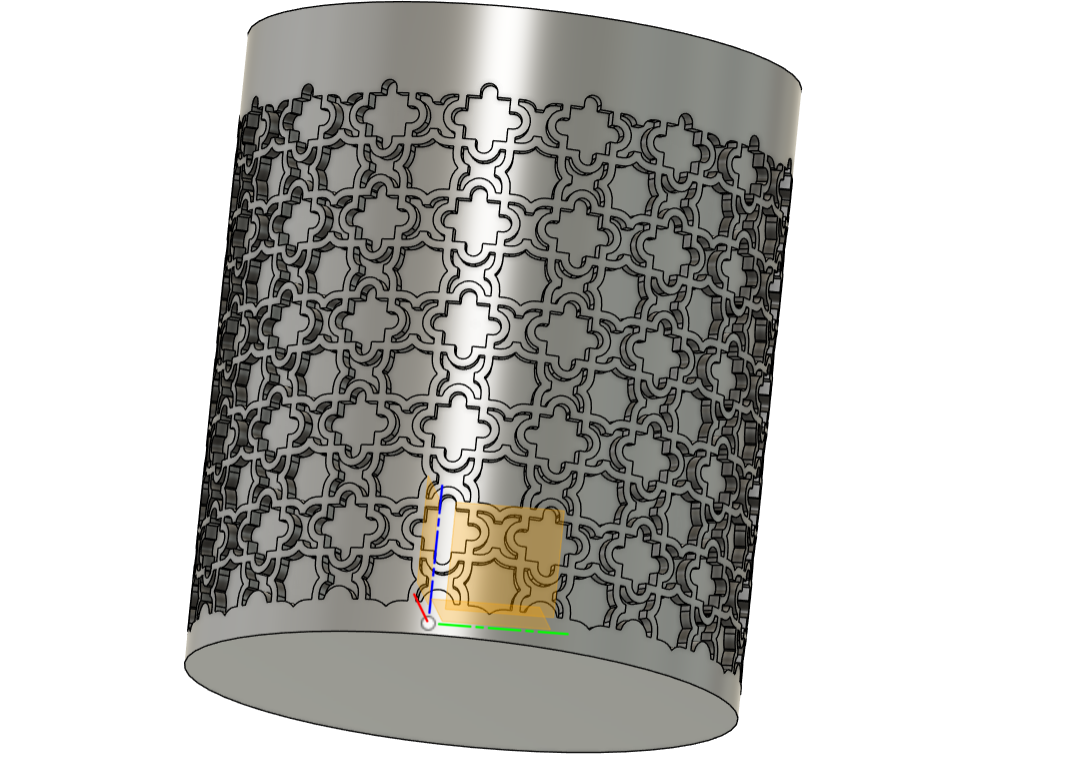
The ceiling’s geometric pattern was extracted and developed into a repeating motif applied across a range of homeware — photo frames in laser-cut mango wood, cast Jesmonite vessels, lidded containers with animal emblem lids, and ceramic tiles with glazing in heritage-appropriate colourways.
5. Accessibility
A key outcome was the potential for the pieces to serve visitors with visual impairments — for whom a ceiling thirty feet above is entirely inaccessible. The tactile objects bring the craftsmanship of the Abbott family to hand height for the first time in four hundred years.
What it revealed
Heritage retail has a structural challenge — the National Trust’s centralised procurement model means site-specific products struggle to enter the supply chain regardless of their quality or relevance. It’s a tension the sector hasn’t fully resolved, and one worth designing around rather than ignoring.
The scan-to-object pipeline proved itself technically. The harder problem is institutional, not material.
Gallery of making
Other Projects
The Bomb Book
Disconnect: Freya’s Story

