Immersive narratives
DISCONNECT; FREYA’S STORY
A interaction experience to challenge the hold of the digital world over our time, told through the narrative of a family and their memories.
The Problem:
The pace of technology means we have never been more connected. Yet mental health issues are rising and loneliness is still widespread — so are we actually better for it?
We are surrounded by technology designed to pull our attention away from the people in front of us. Most of us know this. Few of us feel it.
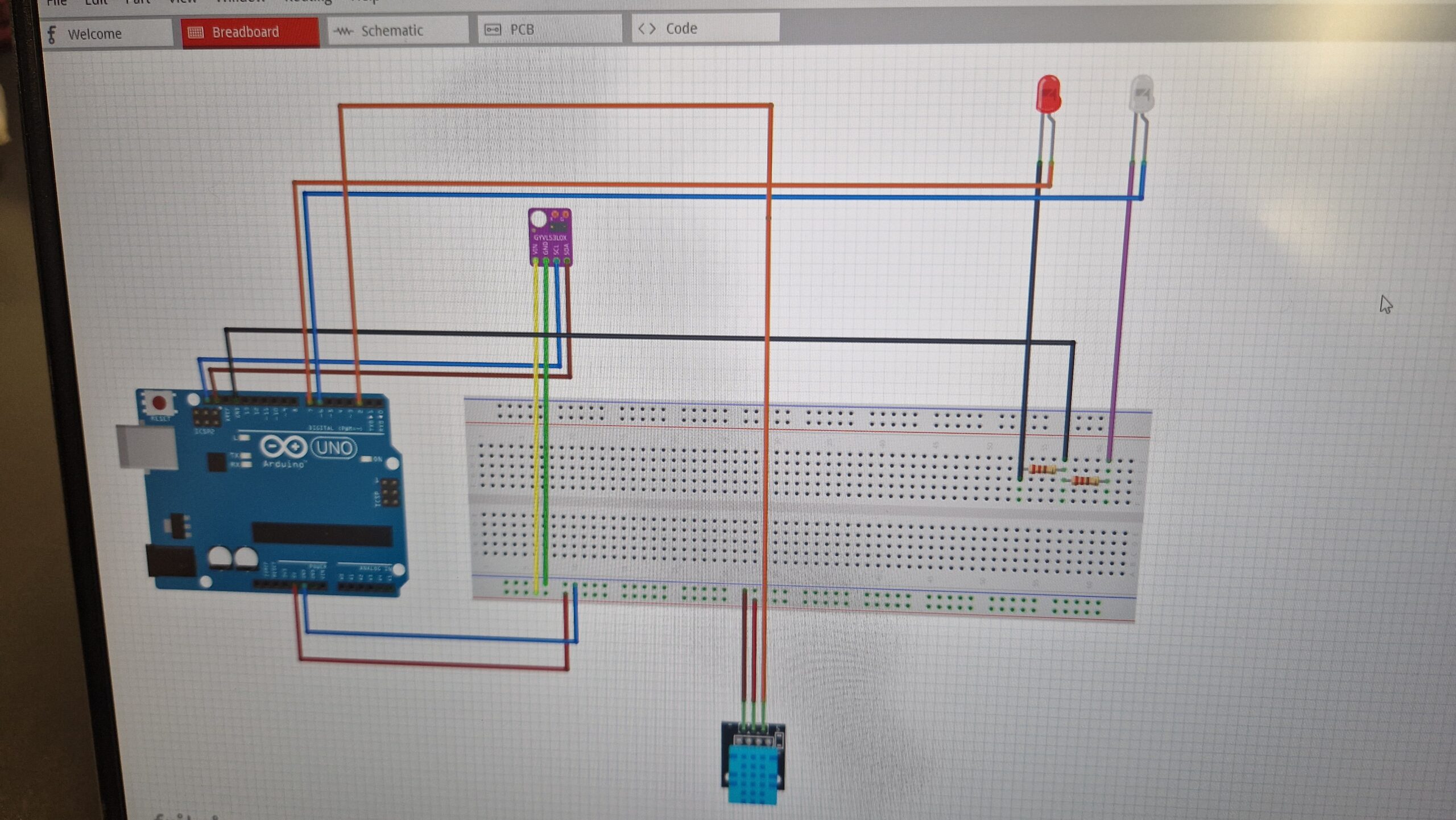
The challenge was to create an experience that didn’t preach — one that let people arrive at that realisation themselves, through Freya’s story rather than their own. Using Arduino-powered sensors and interactions, the space pulls your attention around the room, nudging you to rethink your own connectivity.
The Concept:
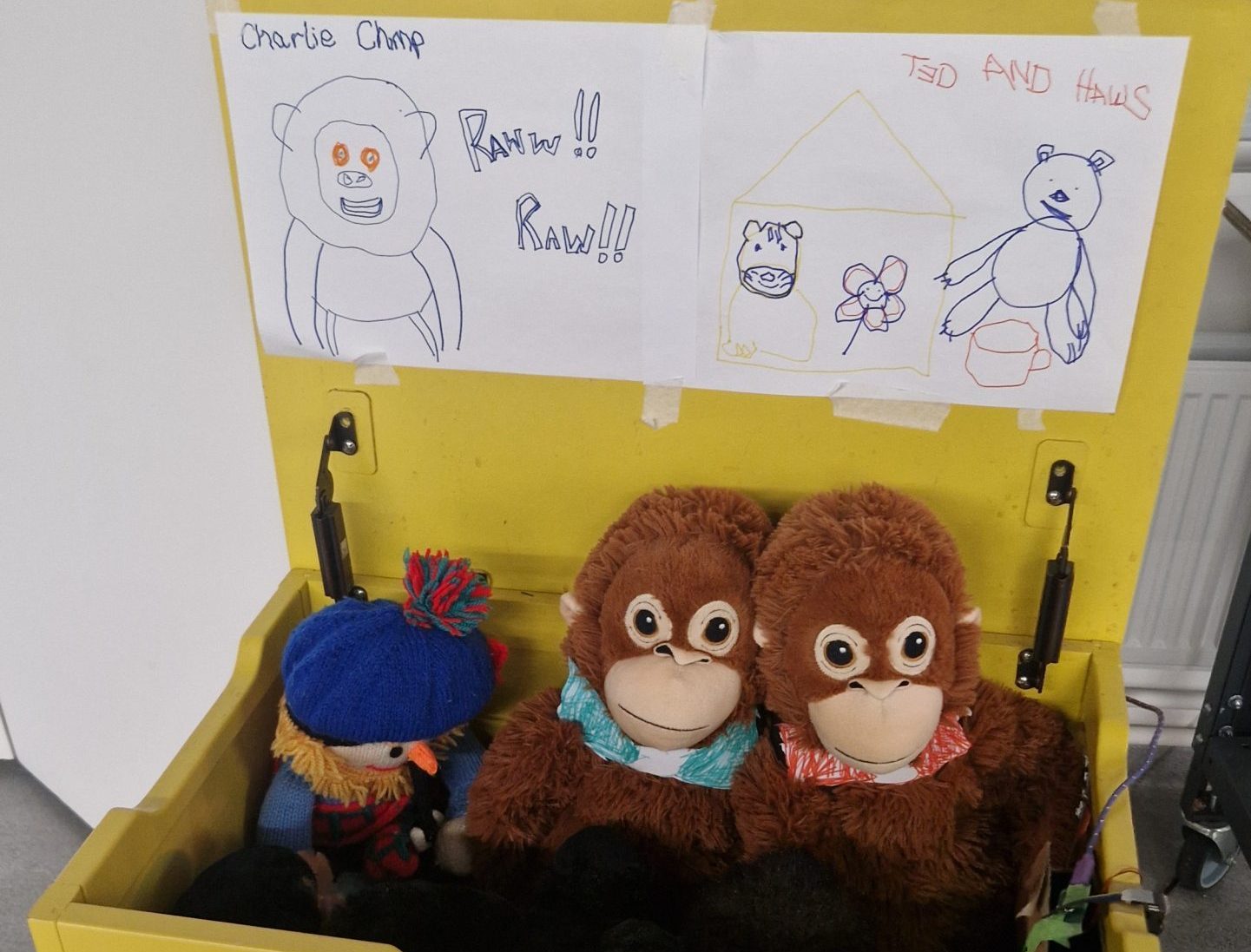
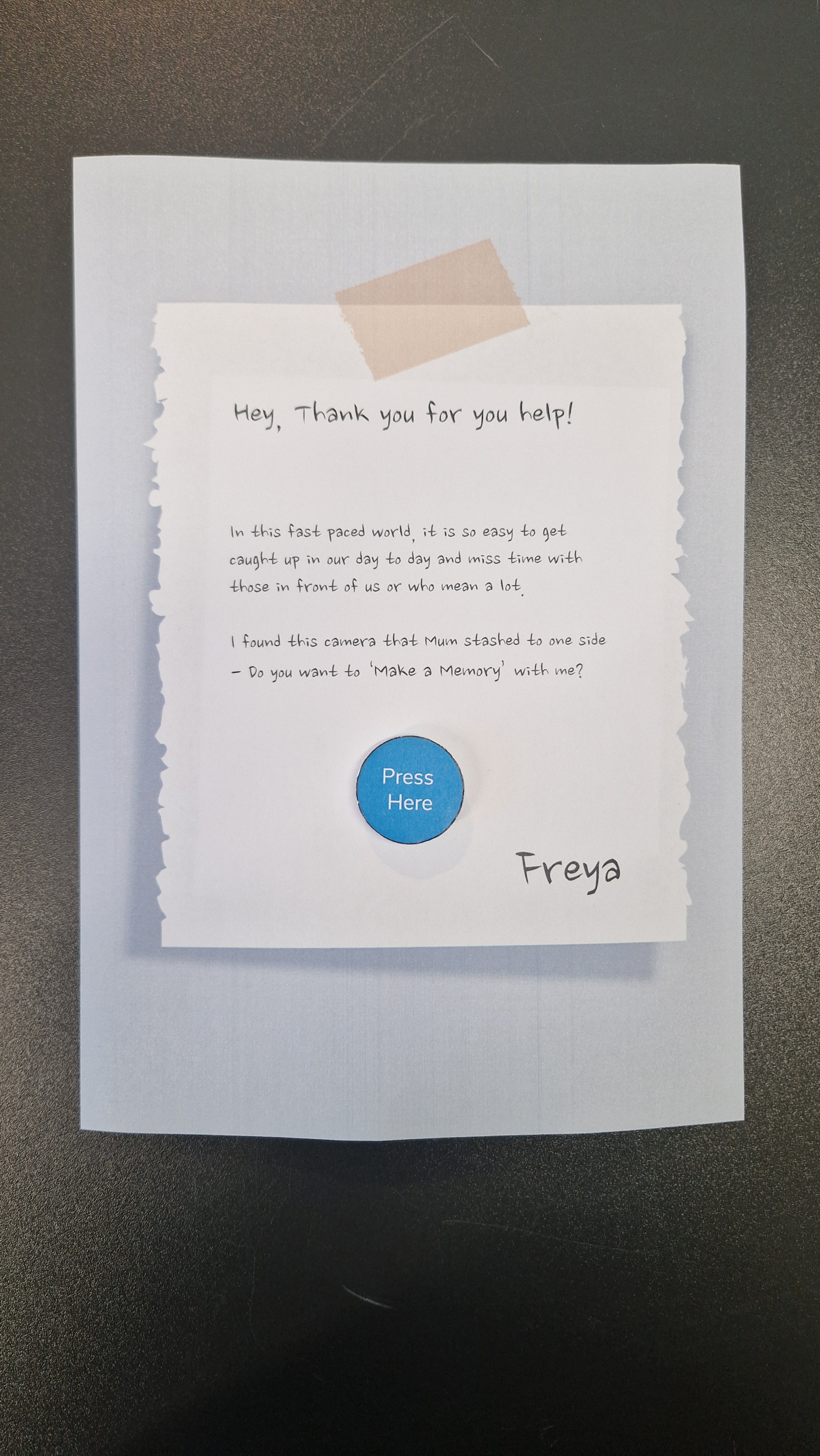
You arrive as Freya’s friend. She’s popped out to get milk. She’s left you a note asking you to go through the toybox in her parents’ house while you wait.
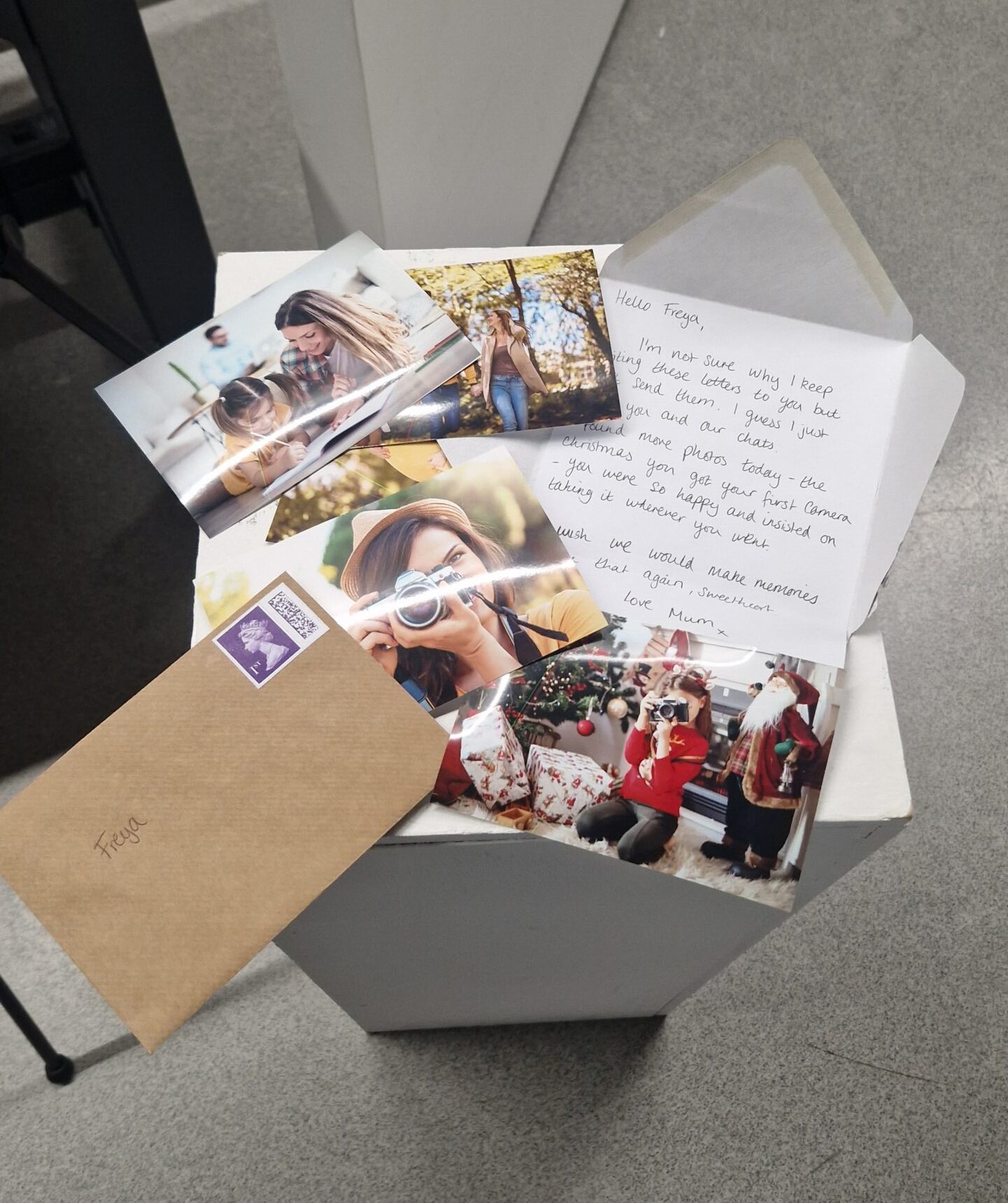
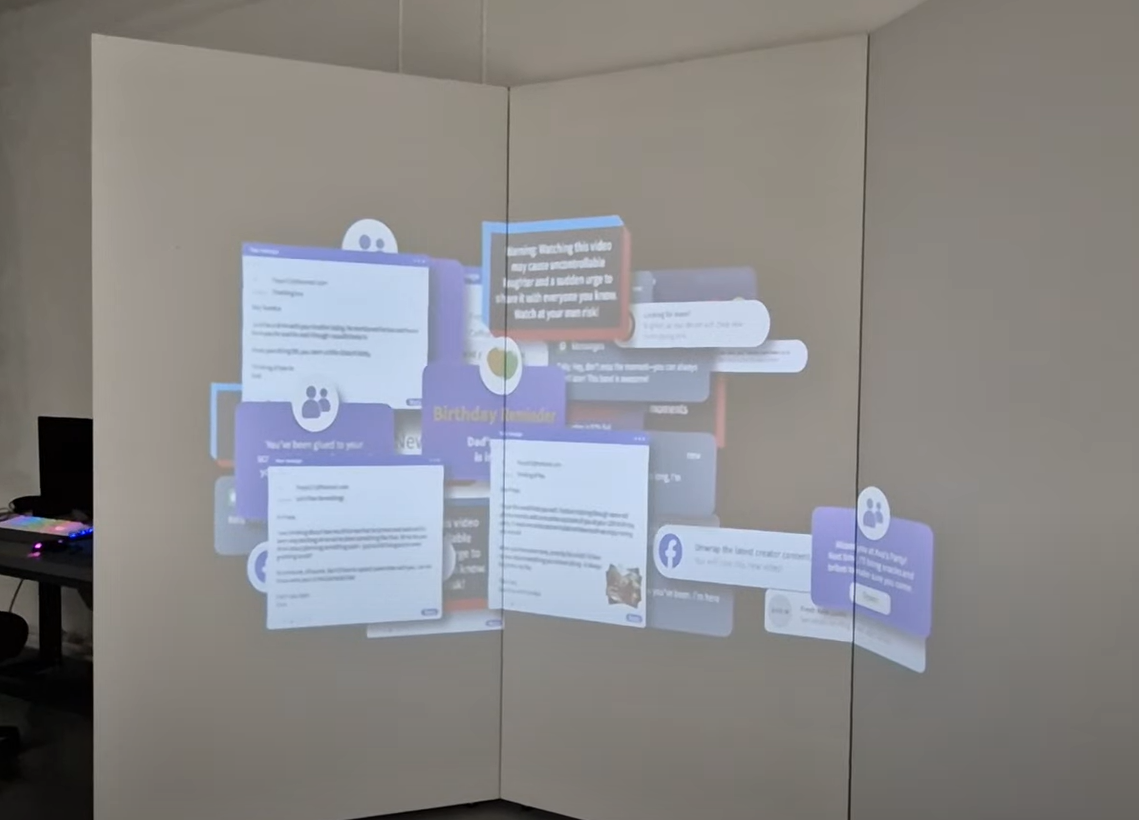
What begins as someone else’s story — touching her childhood toys, smelling the scent of orange and cloves that triggers a Christmas memory, looking through photos of a happy family — gradually shifts. Technology interrupts. Notifications flood in. The family images are displaced by the noise of a phone that never stops demanding attention. By the time you reach Freya’s mum’s unsent letters, you realise the distance you’ve been watching grow isn’t just Freya’s. It’s yours too.
The narrative moves from external exploratory to internal — you think you’re learning about someone else until you realise you’re not.
Making it come to life
From defining the narrative lens that the exhibit is focussed through, the making of the prototype developed though user testing and experimentation.
1. Narrative Structure
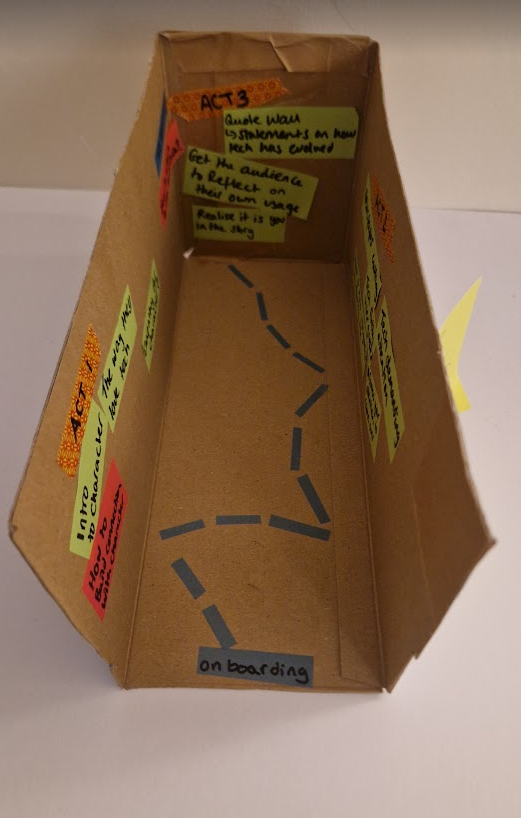
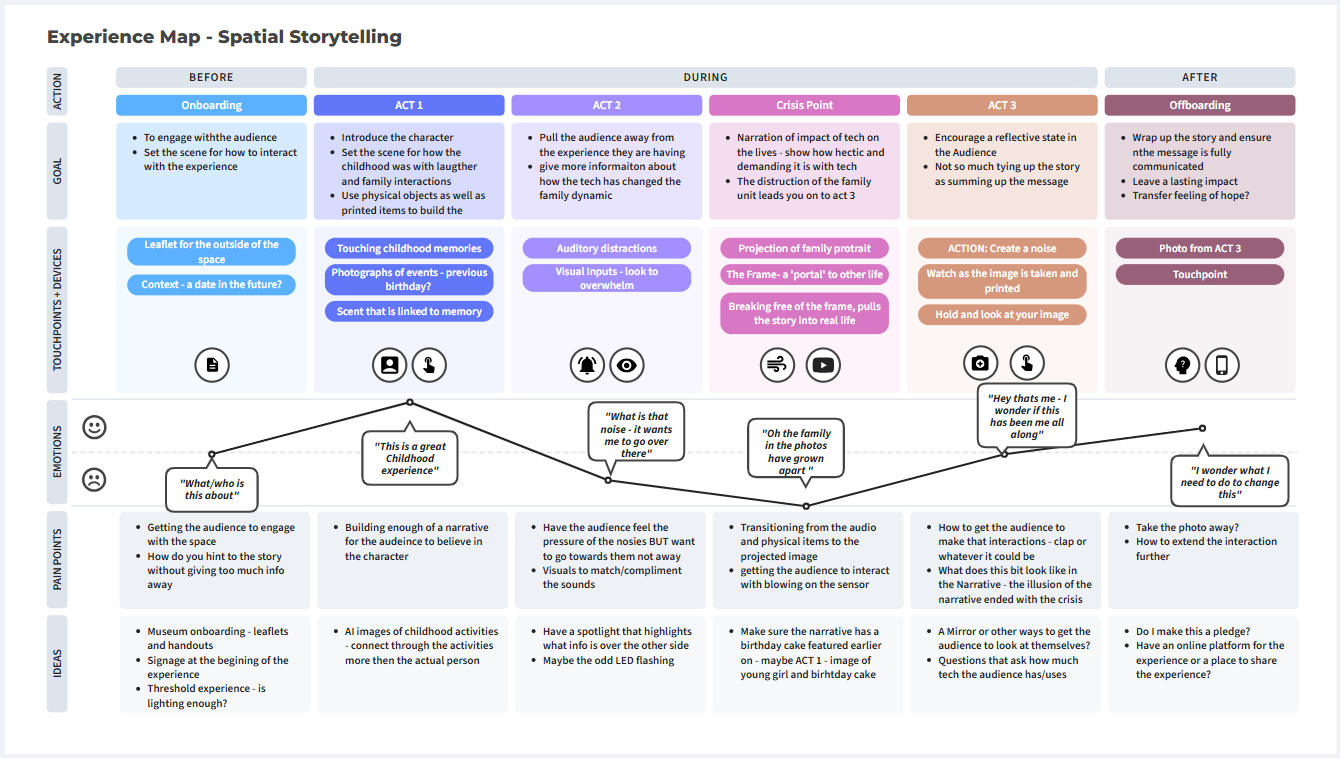
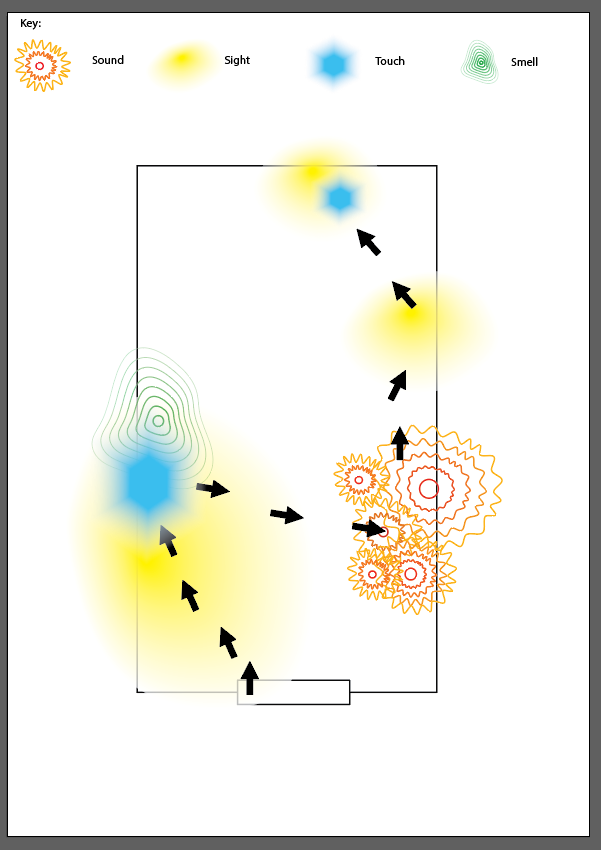
Built around a three act structure — a warm, sensory-rich Act 1 to establish connection; a disruptive Act 2 where technology takes over; and a reflective Act 3 where the participant is invited to make a different choice.
2. Sensory Design
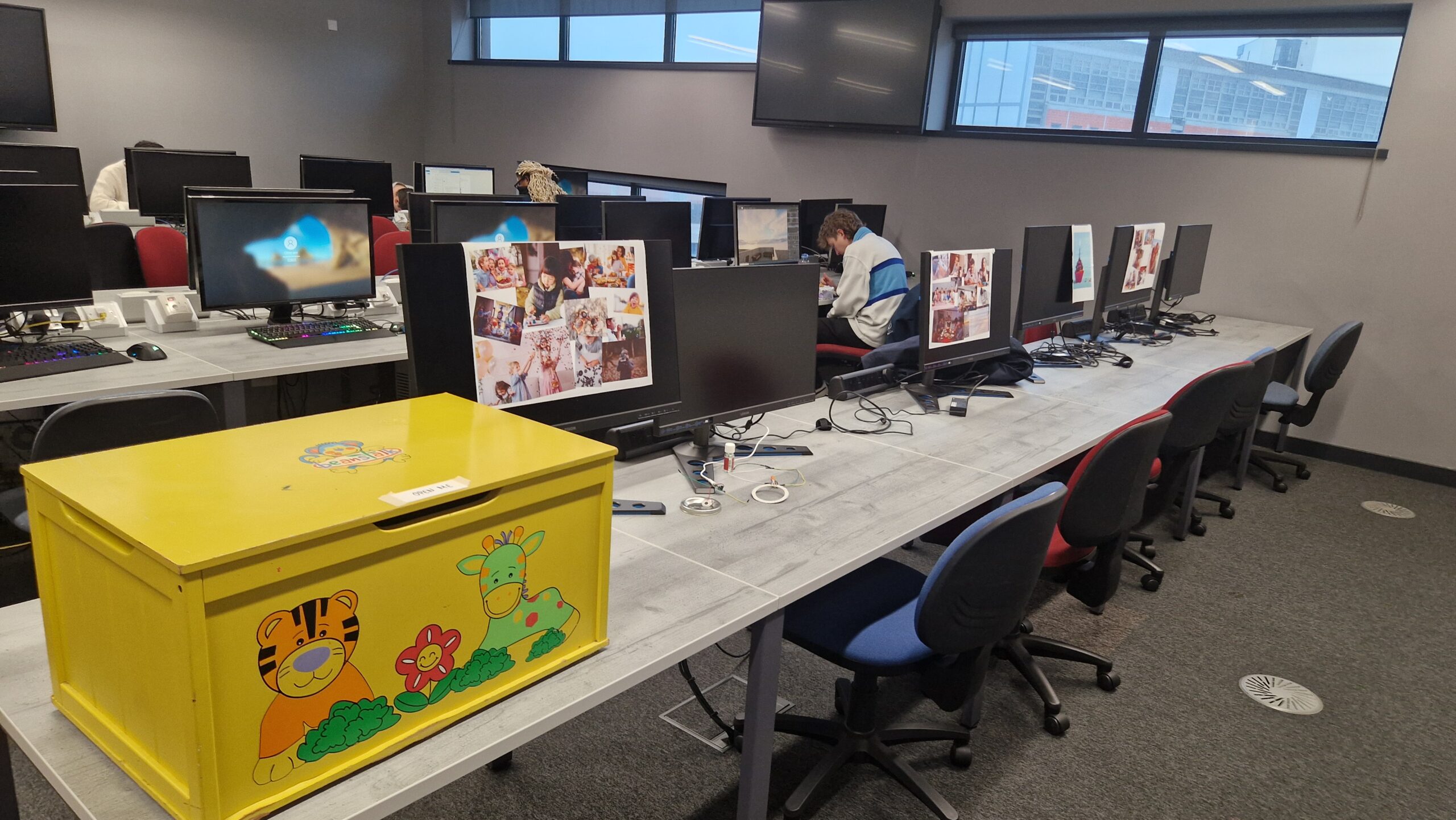
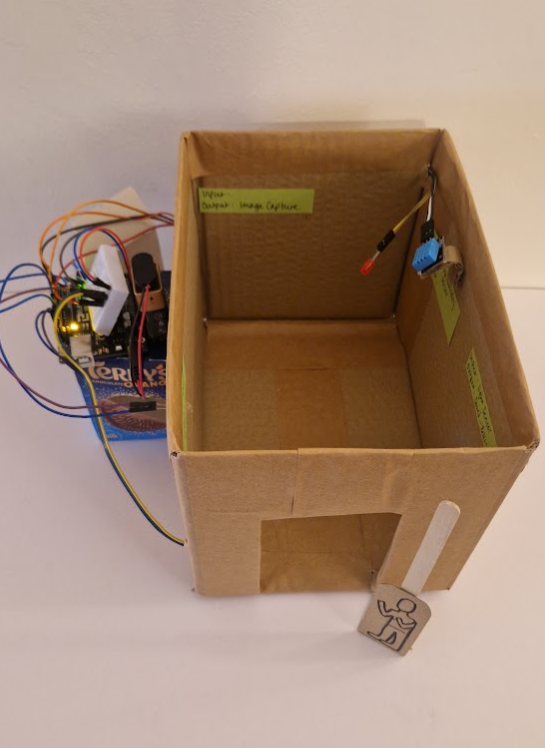
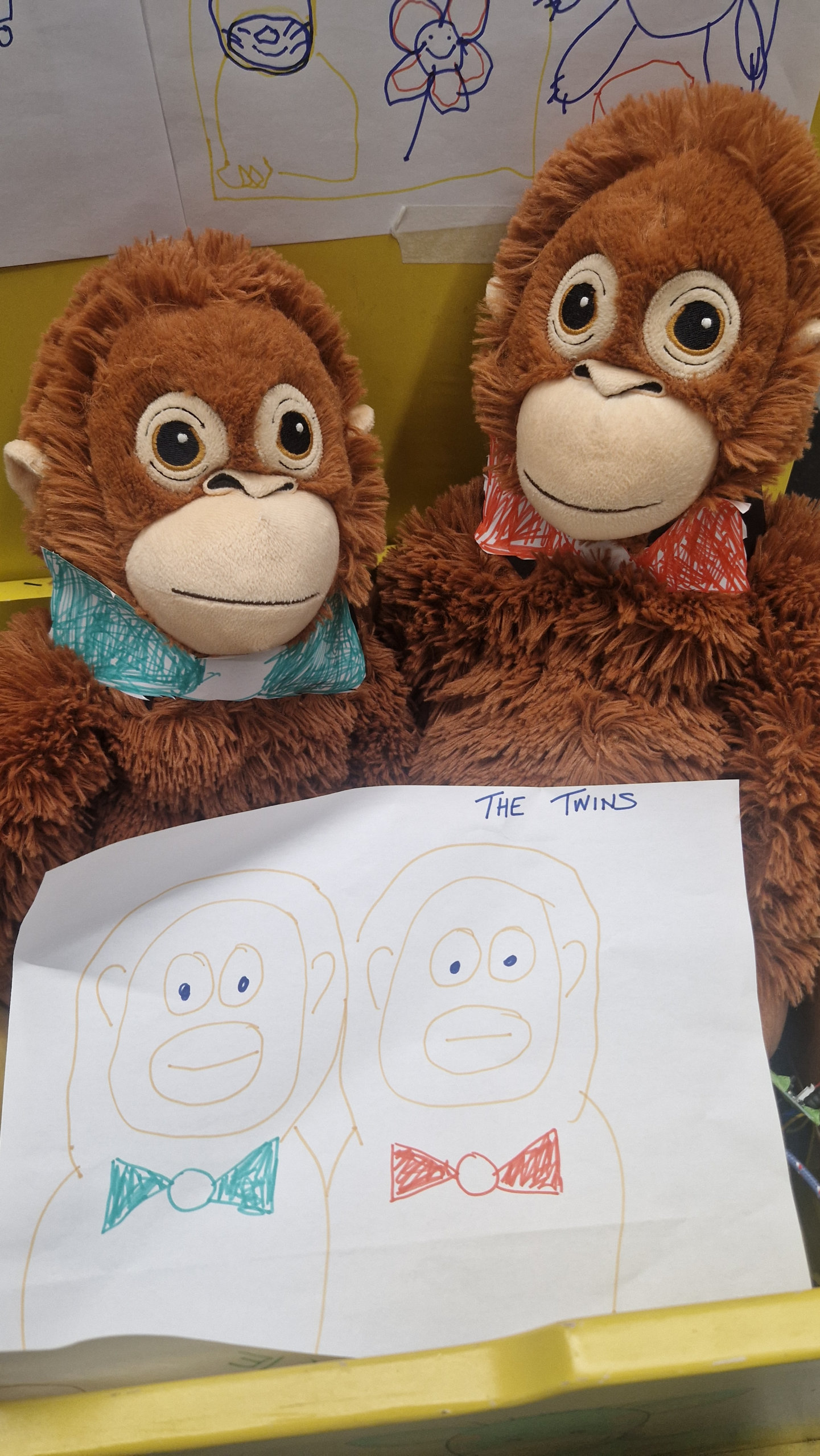
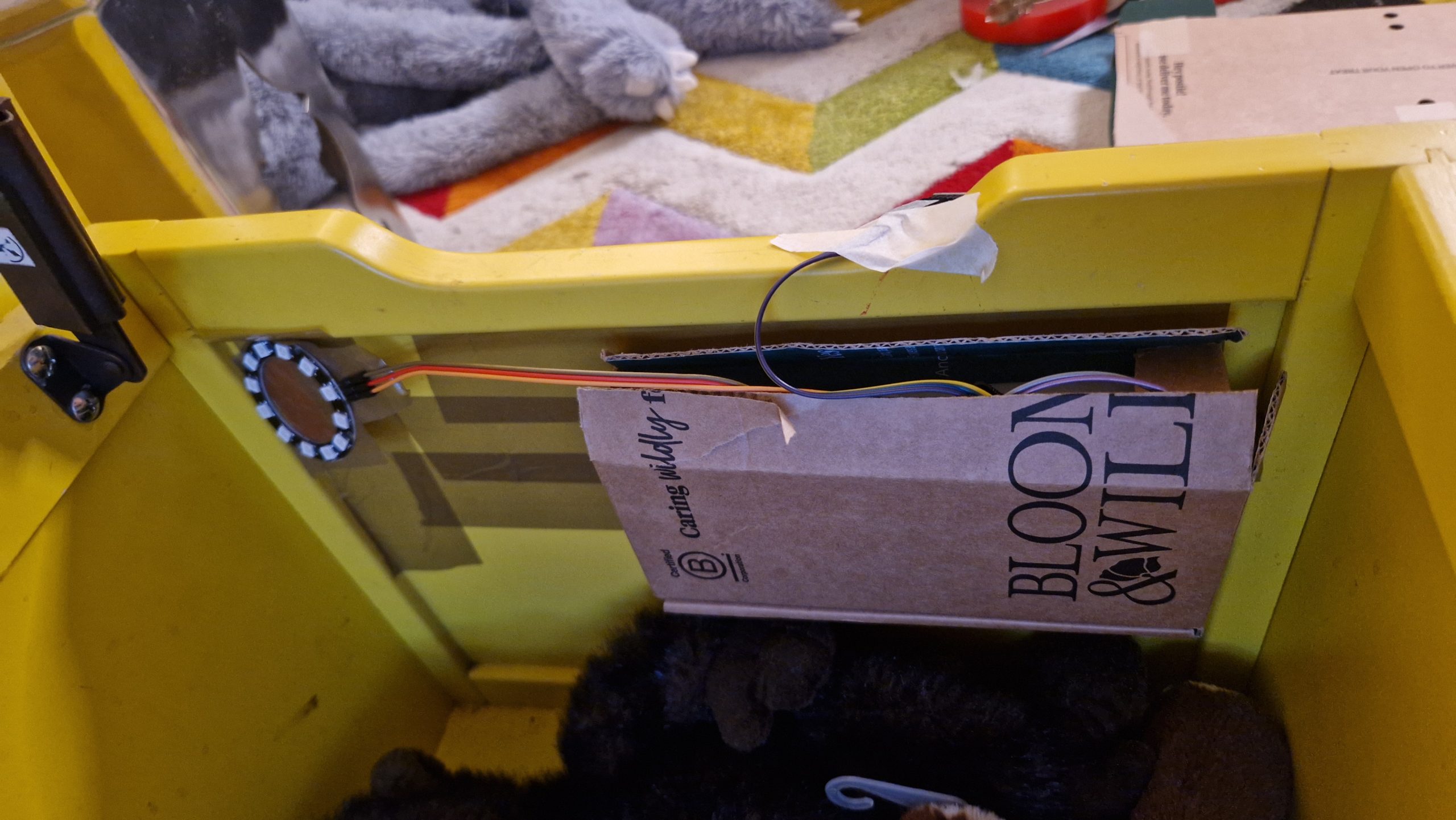
Each act was mapped across sound, sight, touch and smell — motion sensors triggering lights, a scented atomiser releasing orange and cloves on approach, physical toys and drawings connecting adults to their own childhood memories through touch.
3. Prototyping and Playtesting
Pitching the idea and playtesting shaped the final experience significantly. The first revealed that the exploration of technological vehicles to tell the story were effective but a development of the story was needed. The second showed that people needed a clearer role and stronger onboarding — leading to Freya’s note, which transformed the experience from abstract to immediate.
4. Playtest two
The second playtest refined the timing, simplified the spatial layout and embedded audio directly into the video to eliminate mistiming.
4. The Offboarding
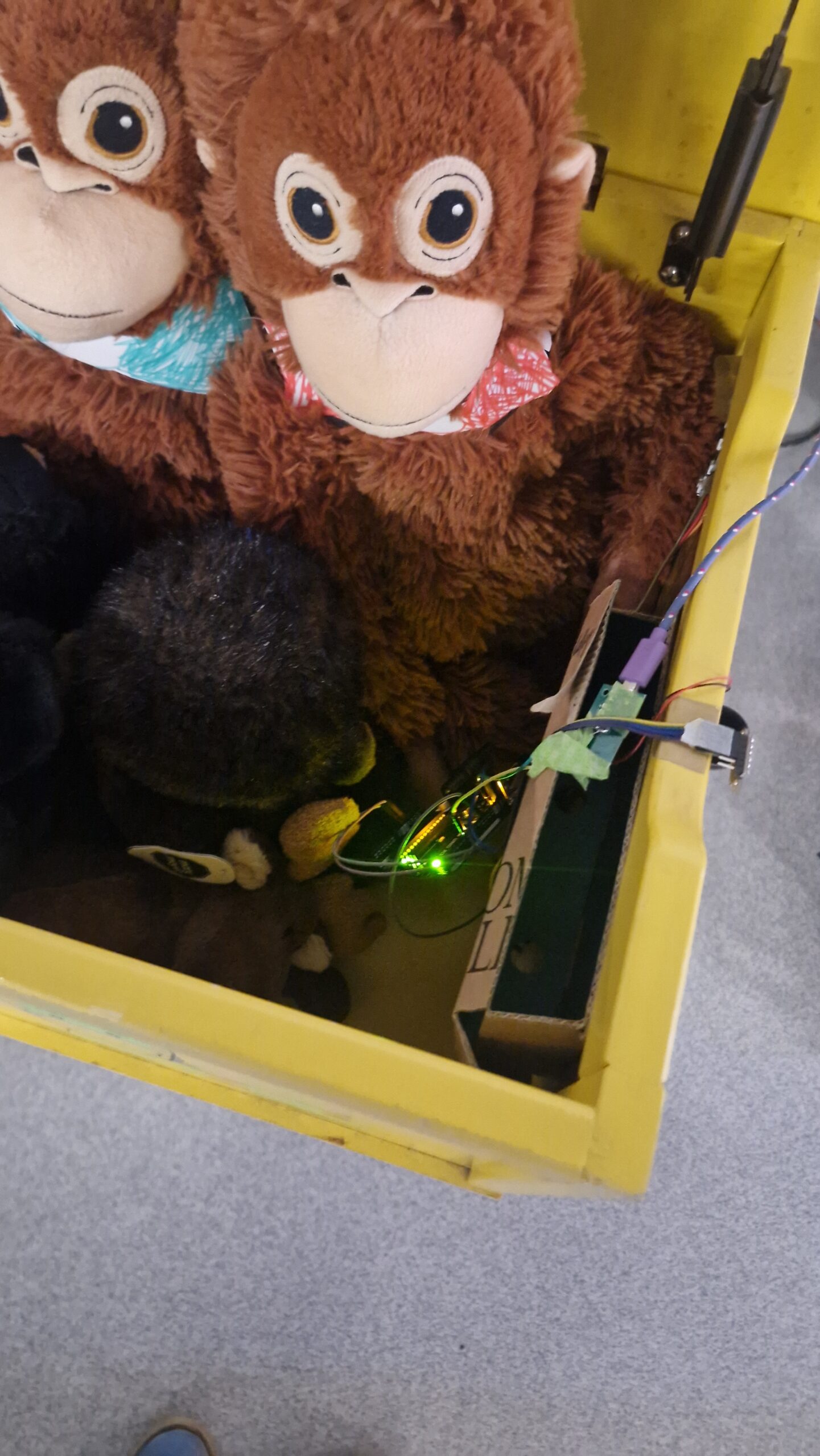
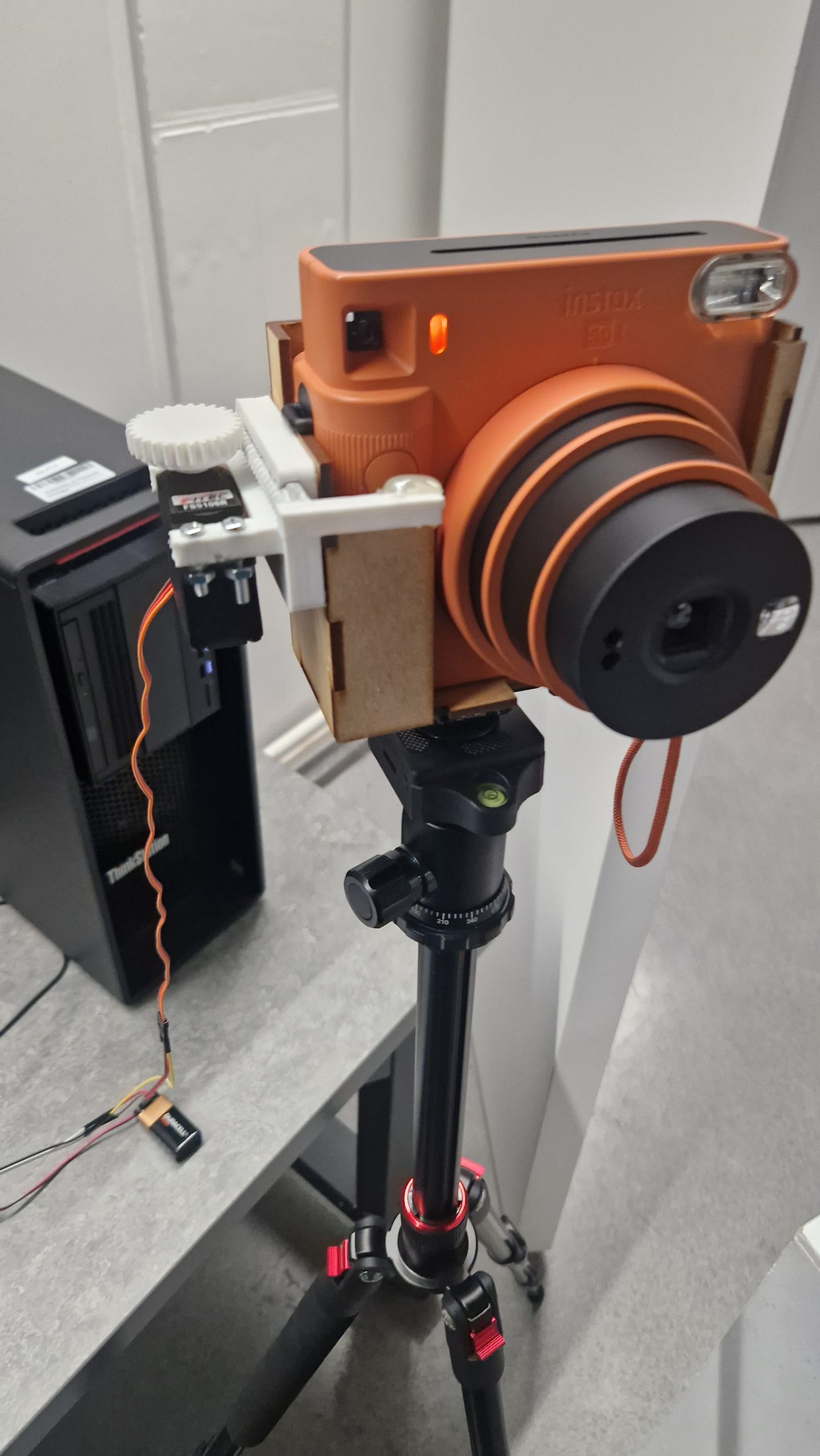
The hardest design problem — how to land the message without preaching. The solution was to bring Freya’s voice back at the end, reflecting on her own journey, before inviting you to make a memory with her. Press the button. A polaroid camera — modified with an Arduino-driven linear actuator — takes your photo. You leave with something physical. A memory made rather than just observed.
What it Proved:
When a story belongs to someone else, people engage without defences up. The shift from external to internal narrative — from watching Freya’s disconnection to recognising your own — only works because the experience earns it through touch, smell, sound and time. Sensation creates empathy. Empathy creates reflection.
Gallery of making
See more projects
The Bomb Book
Luminia Legacy

