Immersive Narratives
plymouth’s
bomb book
lifting history from the pages: using sensory design and agency to increase the impact and engagement for an event that shaped Plymouth
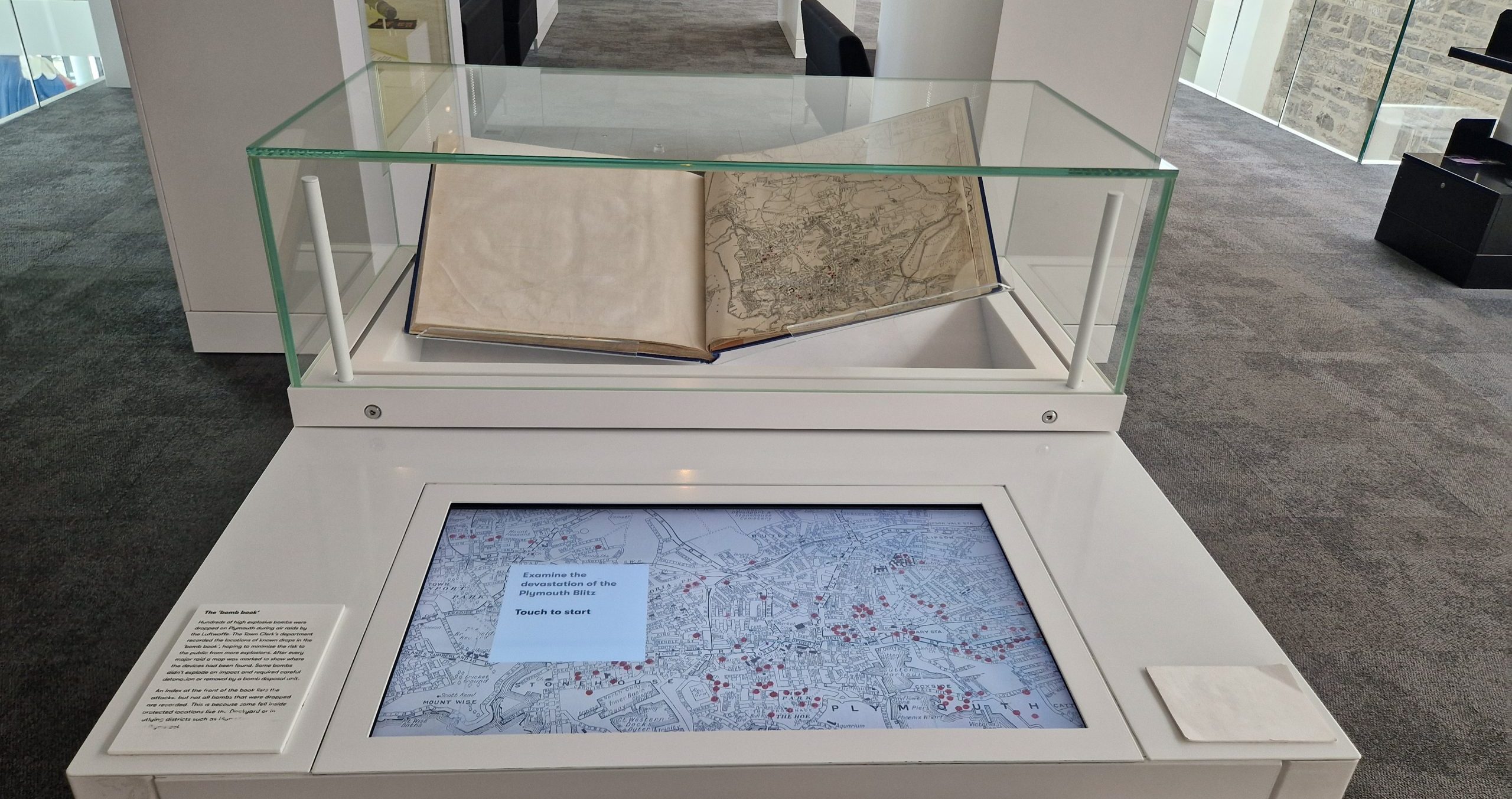
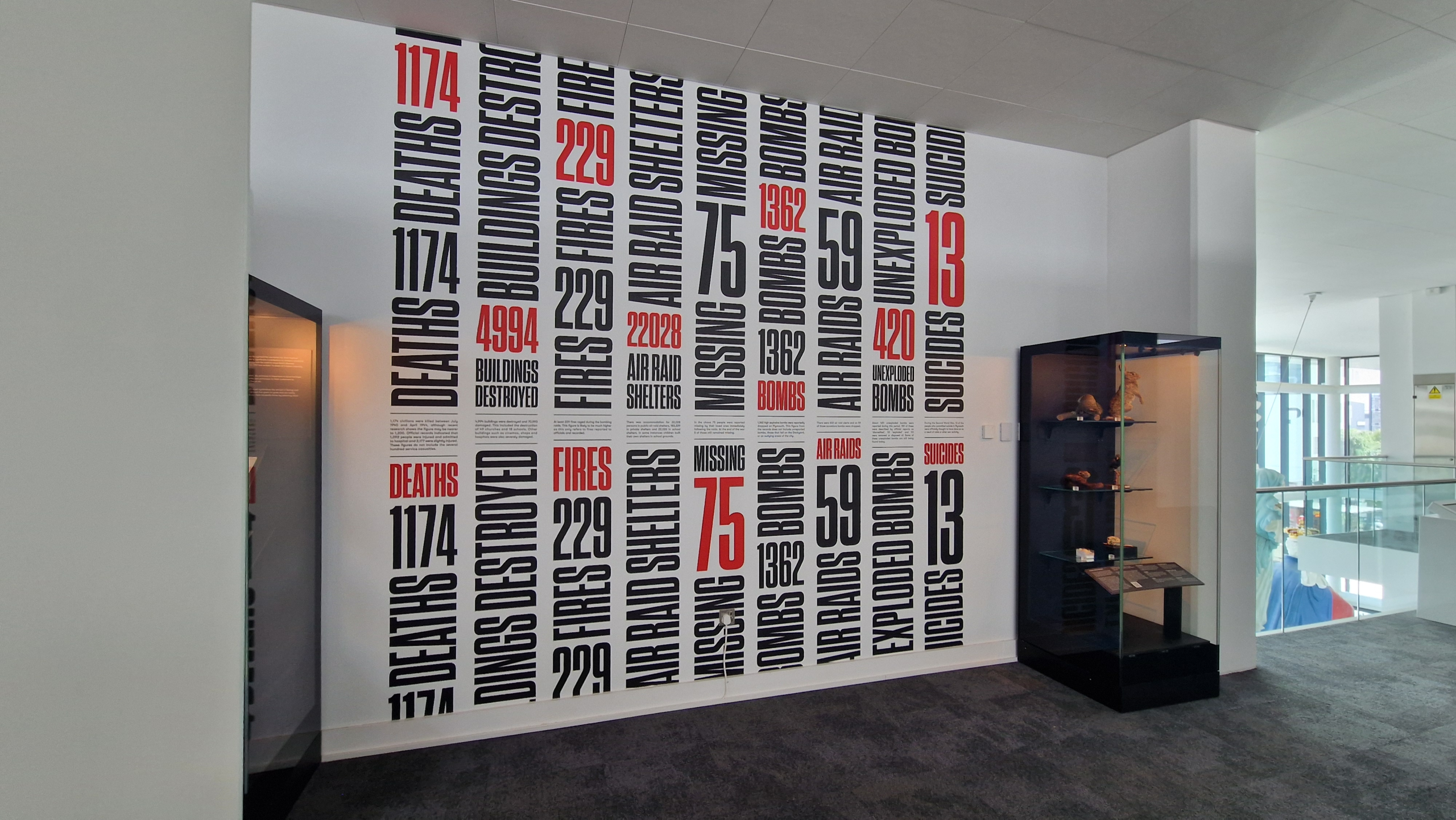
During the Blitz, Plymouth was reshaped by the raids on the naval dockyards at Devonport. It was a period of incredible intensity that left a permanent mark on the city’s footprint. Throughout it all, a meticulous ‘Bomb Book’ was kept—a night-by-night record of exactly where every single bomb fell. It’s a heavy, solemn piece of history that acts as a witness to that entire era.
With how vulnerable the book is, it’s kept under glass on the mezzanine at The Box. To let people explore it, the museum provided a touchscreen with high-res scans that you can swipe through, which is a nice nod to the flick of the original pages. But while the swiping motion is there, the feeling isn’t. Swiping a screen just doesn’t carry the weight of what’s actually being shown. I felt there was a real opportunity here to move past that ‘swipe and scroll’ habit and create something where the visitor could actually feel the gravity and the alarm of the Blitz through sensory-led discovery.
This project was born out of a simple observation: in museums, we’re surrounded by incredible stories, but we’re told not to touch them. I wanted to see if I could use ‘Smart Objects’ to break that barrier.
Often, the biggest barrier to interactive design is the fear that ‘touch’ leads to damage or theft. This project was an exercise in shifting that perspective. I proved that we don’t need to put the artifact at risk to create a visceral connection; instead, we can embed the digital heart of a story within a bespoke ‘Smart Object’ designed to be held, tested, and explored.
This isn’t just about cool tech; it’s a blueprint for how we can make learning feel like a personal discovery again.
The Strategy Behind the Play
My research started at The Box Museum, where I used Ethogram Point Sampling to watch how people actually moved through the space. The results were clear: people are drawn to physical objects, but they often lose interest in screens.
Digital archives told through modes such as videos and audio are rich, but they often lack ‘agency’.
How to switch things up:
-
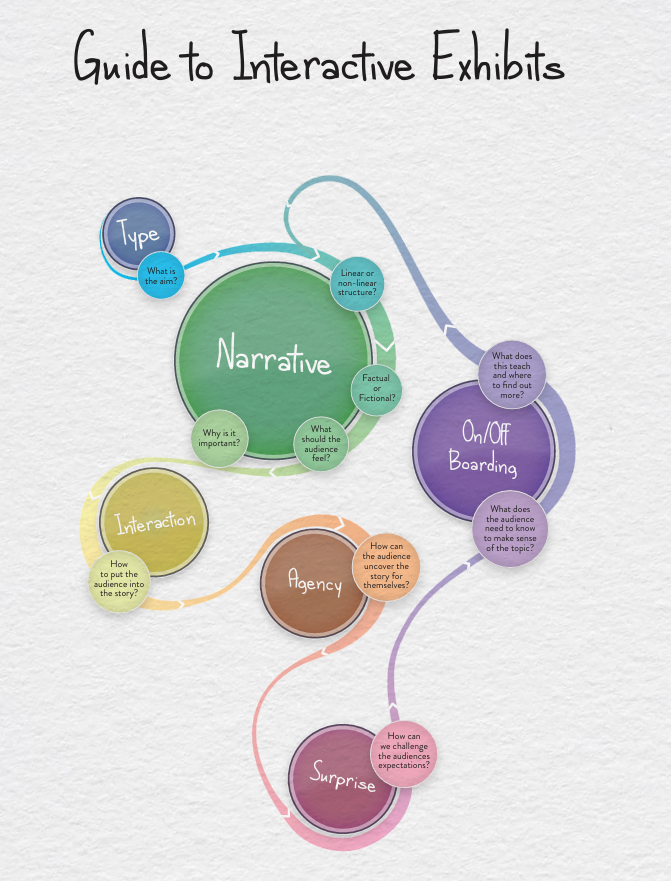
Narrative is the Anchor: The narrative of the item has to be at the forefront of the exhibit, and the interactions should reflect the story at the heart of it. Otherwise, it’s just button-pressing.
- Agency over learning: through active participation, retention and interest in the topic soars. this is true across the generations as it feeds into the curiosity.
-
Closing the Loop: Engagement happens when your physical actions—turning a dial or moving an object—directly reveal a new part of the narrative.
- Context aids learning: On/Off boarding can change if the information can be accessed and how well it is retained at the end.
Creative Process
With the Bomb Book, the real challenge was finding a way to move past a static list of dates and connect people to the actual gravity of the Blitz. As I worked through the concept, I was constantly weighing up how to give visitors ‘Agency’ without making a tragedy feel like a game. It was important to me that the interaction didn’t just become a series of buttons to press, but a genuine tool for empathy that respected the history it was uncovering.
.
From this framework, I chose that the exhibit should:
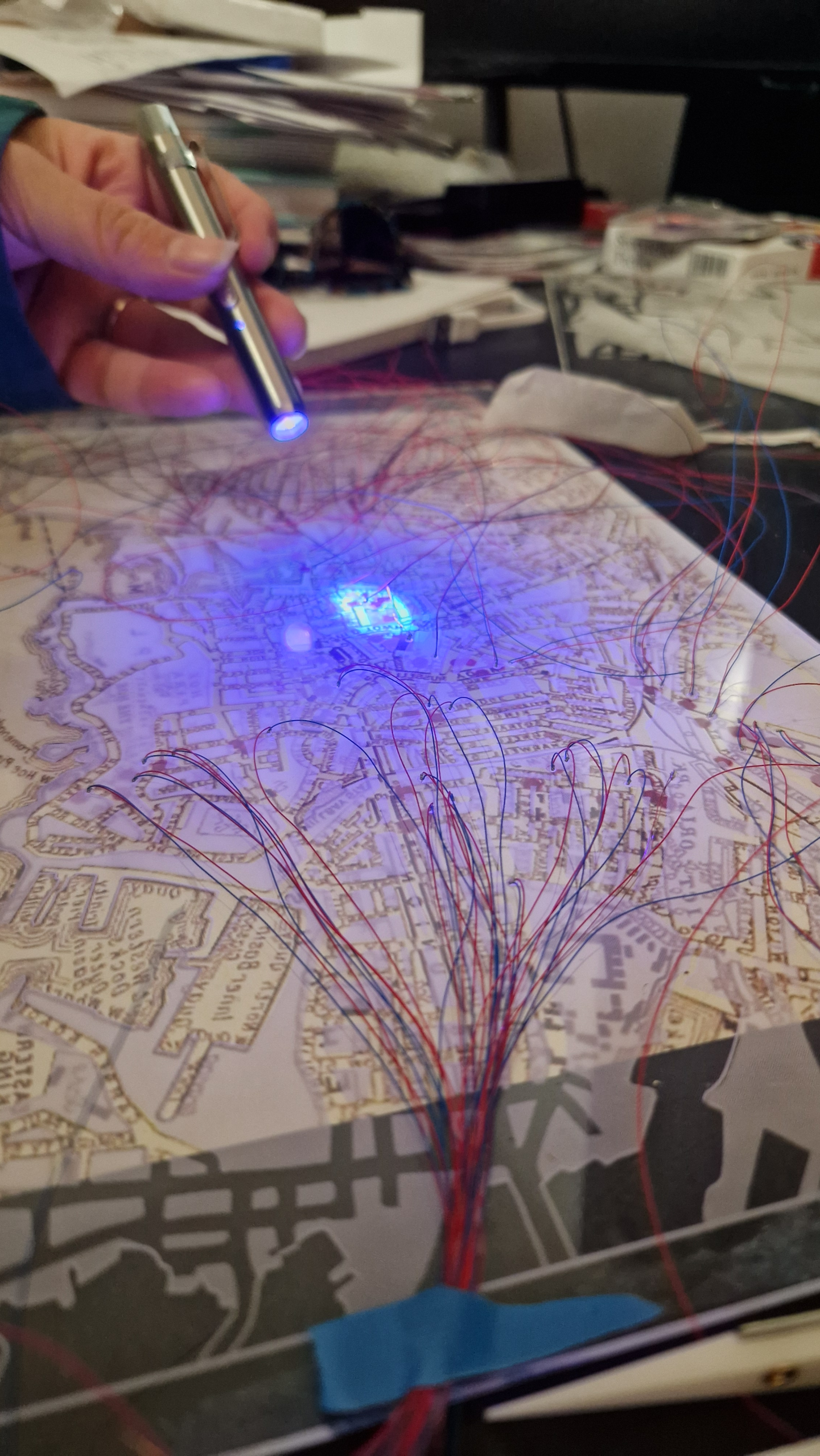
- Show the data, but not as a static series of dots, but lights that are only present with other senses active.
- Involve the participant in the story, but try to avoid a game like nature due to the topic.
- Use the onboarding as an opportunity to get more people curious about what was there.
Making it come to life
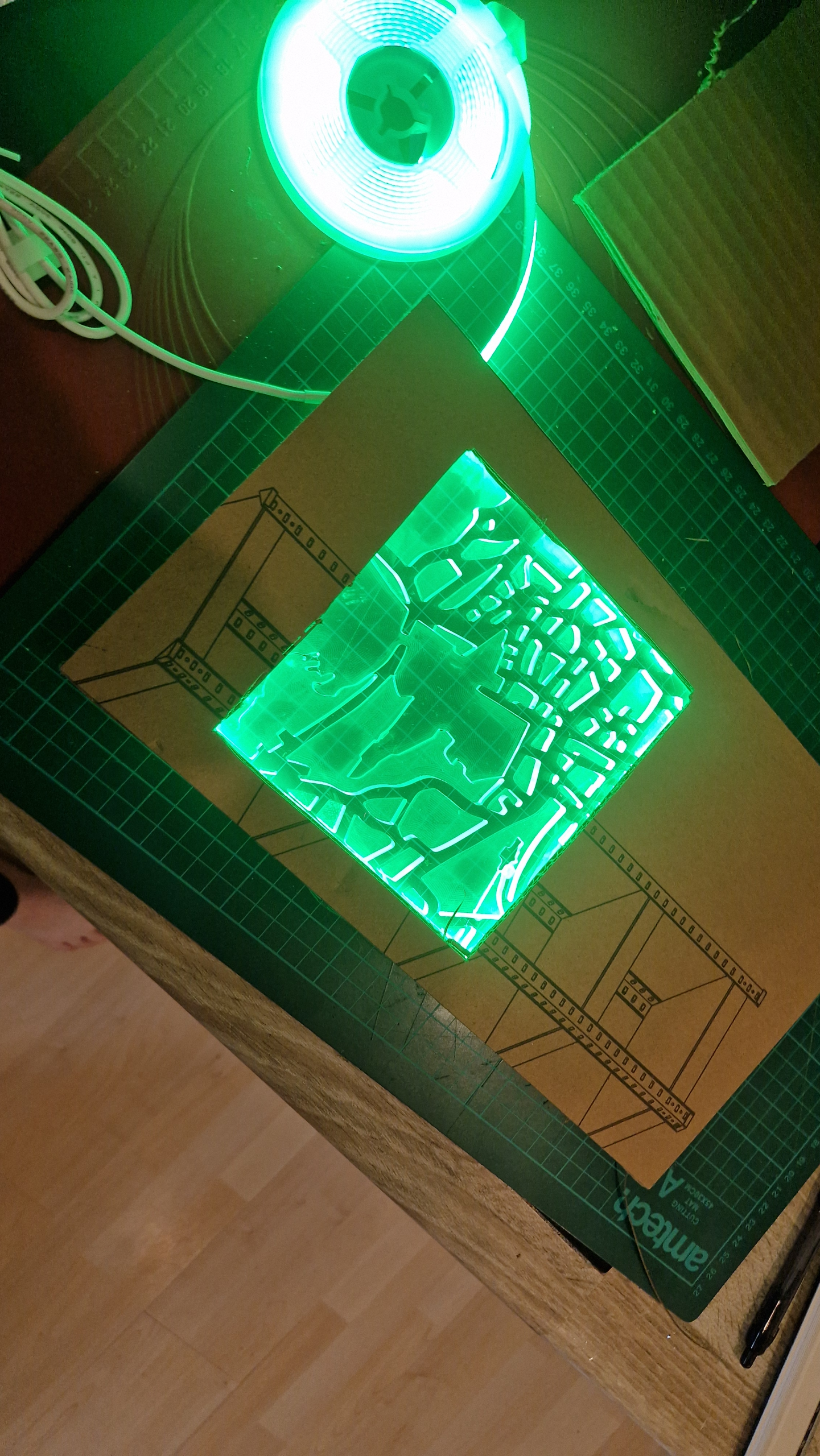
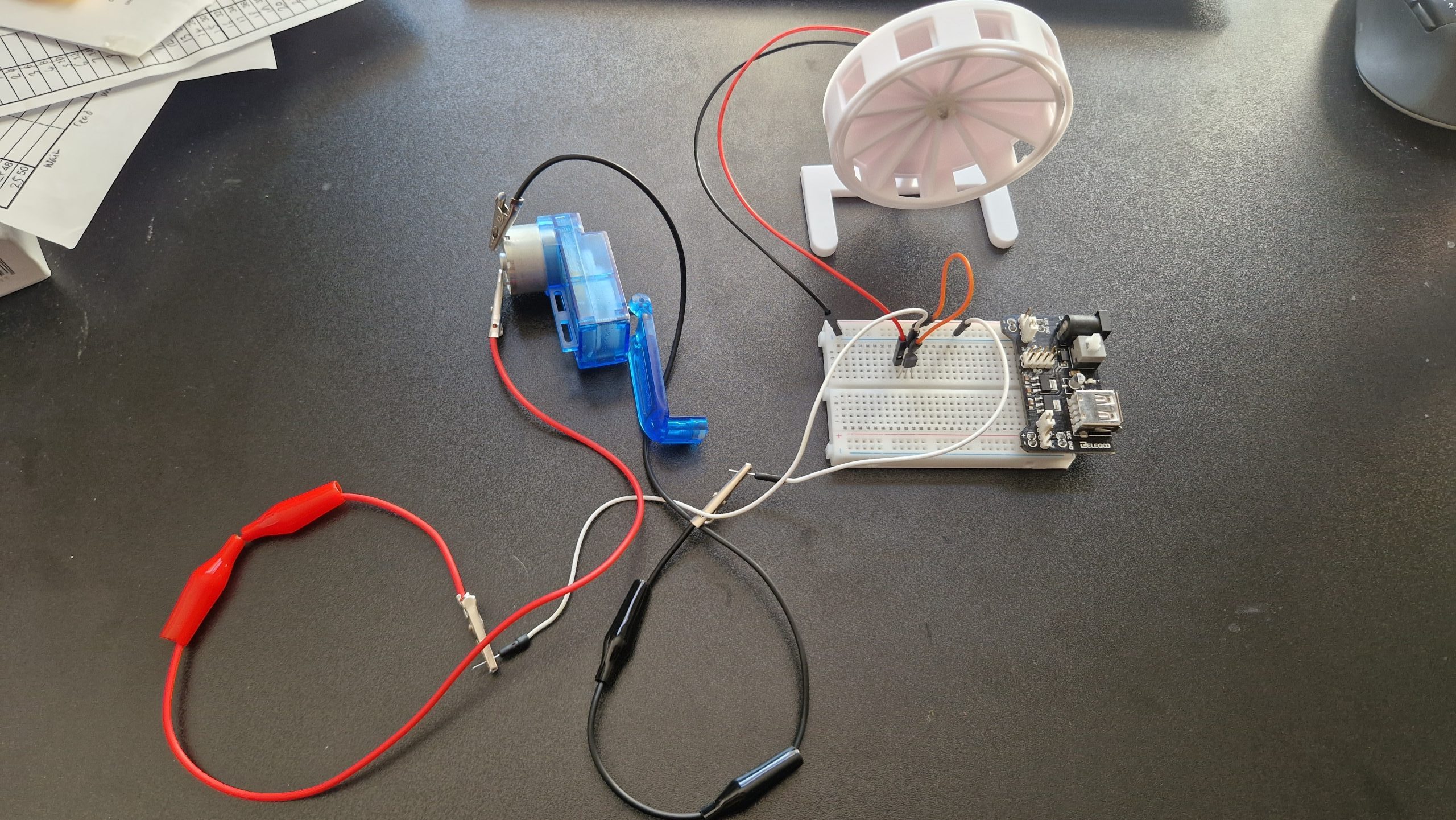
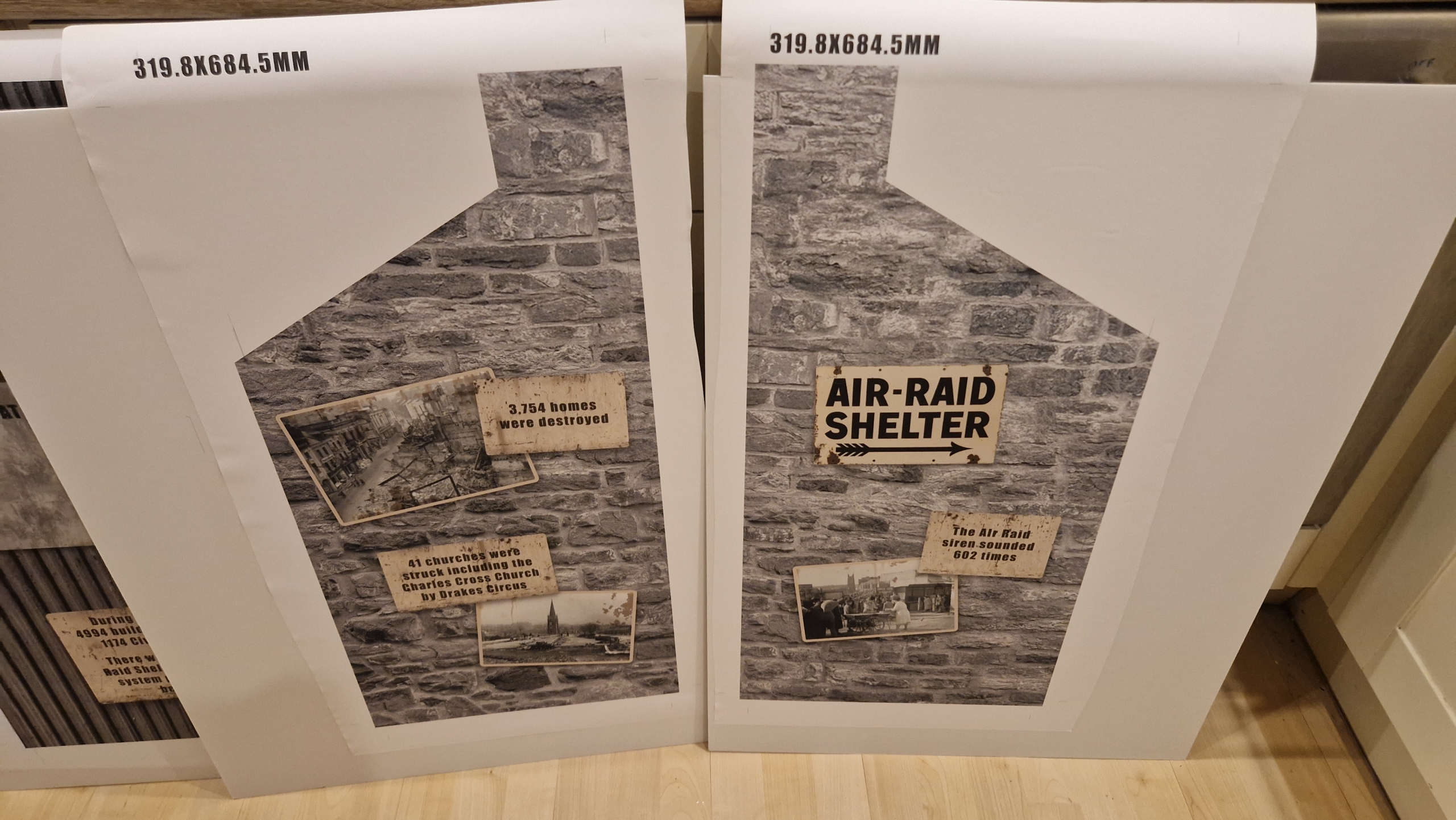
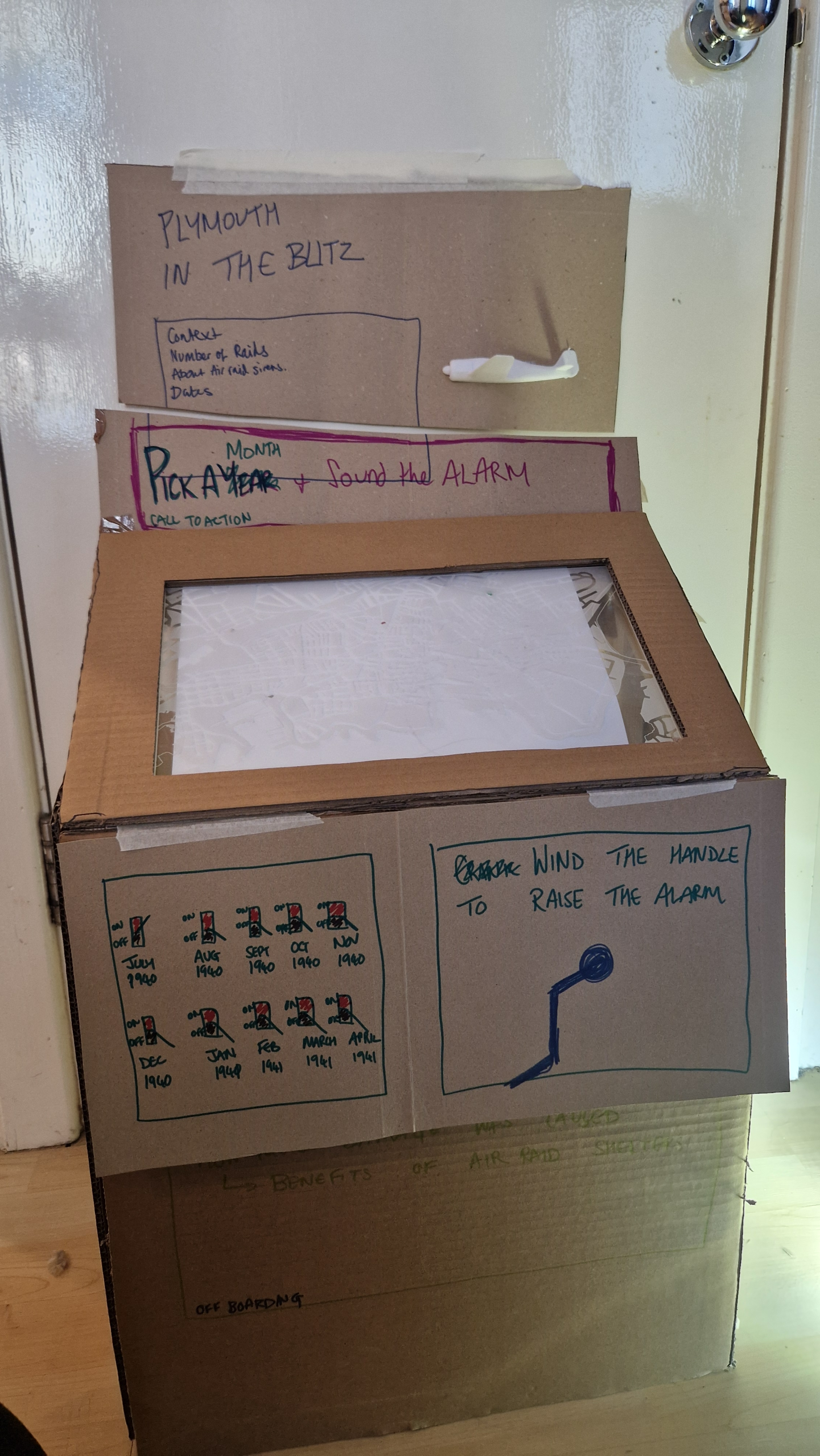
From defining the narrative lens that the exhibit is focussed through, the making of the prototype developed though user testing and experimentation.
1. Framing the narrative
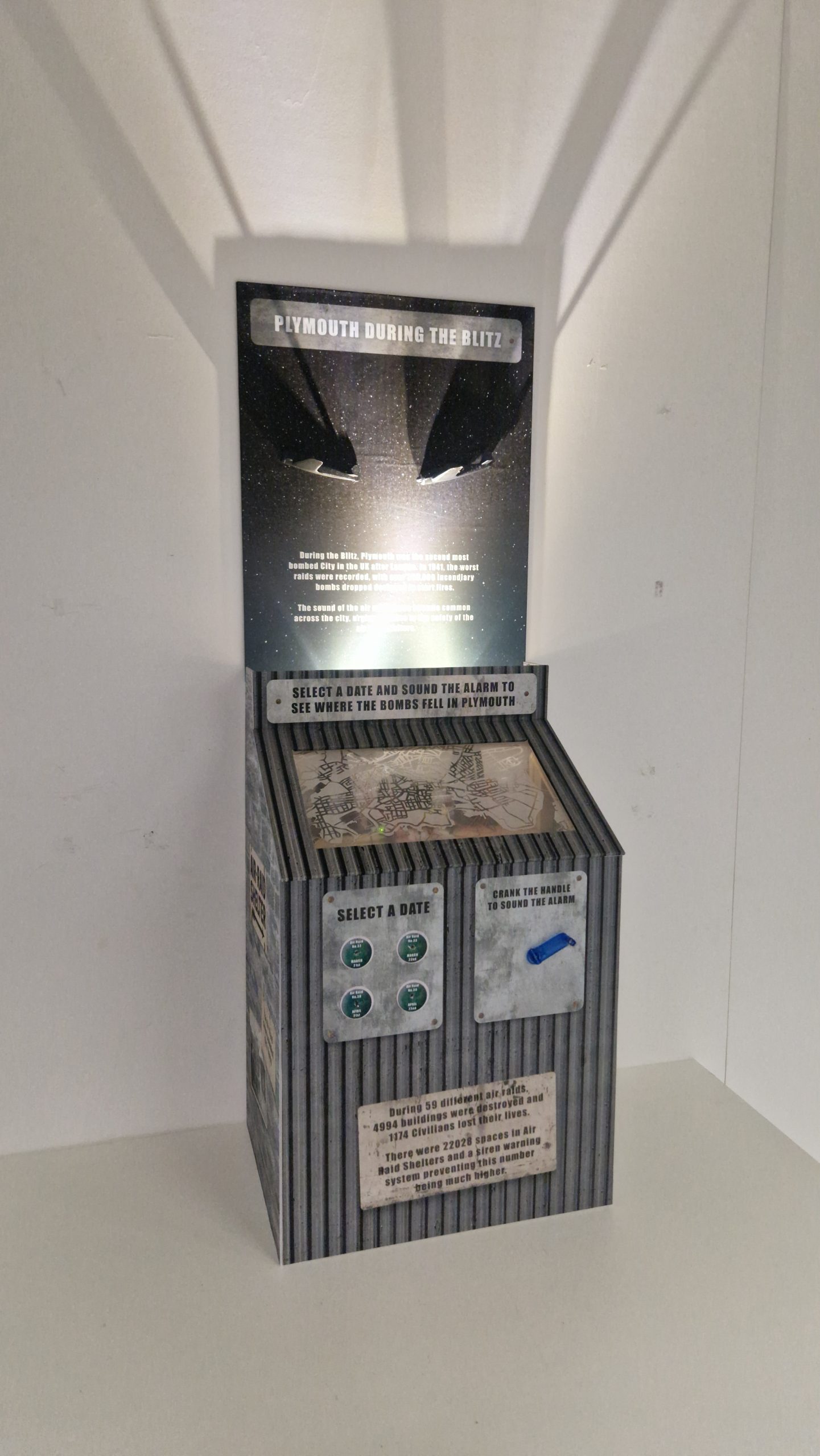
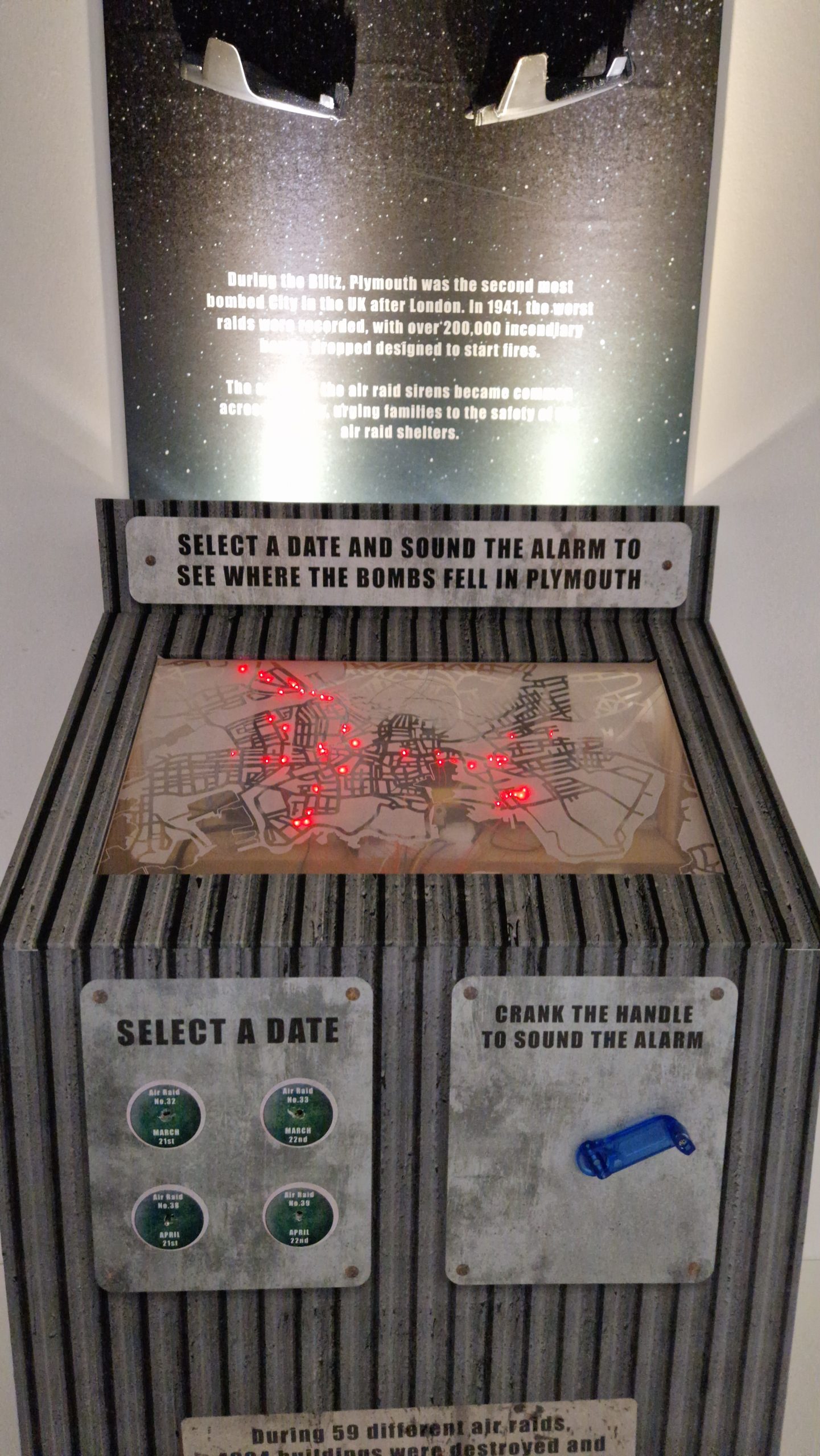
With a corrugated iron detail, this aesthetic mimics the air raid shelters of the Second World War. Sweeping spot lights move across the back of the display highlighting the profiles of two planes there. In this moment we are in one of the nights of the raids.
2. hidden data
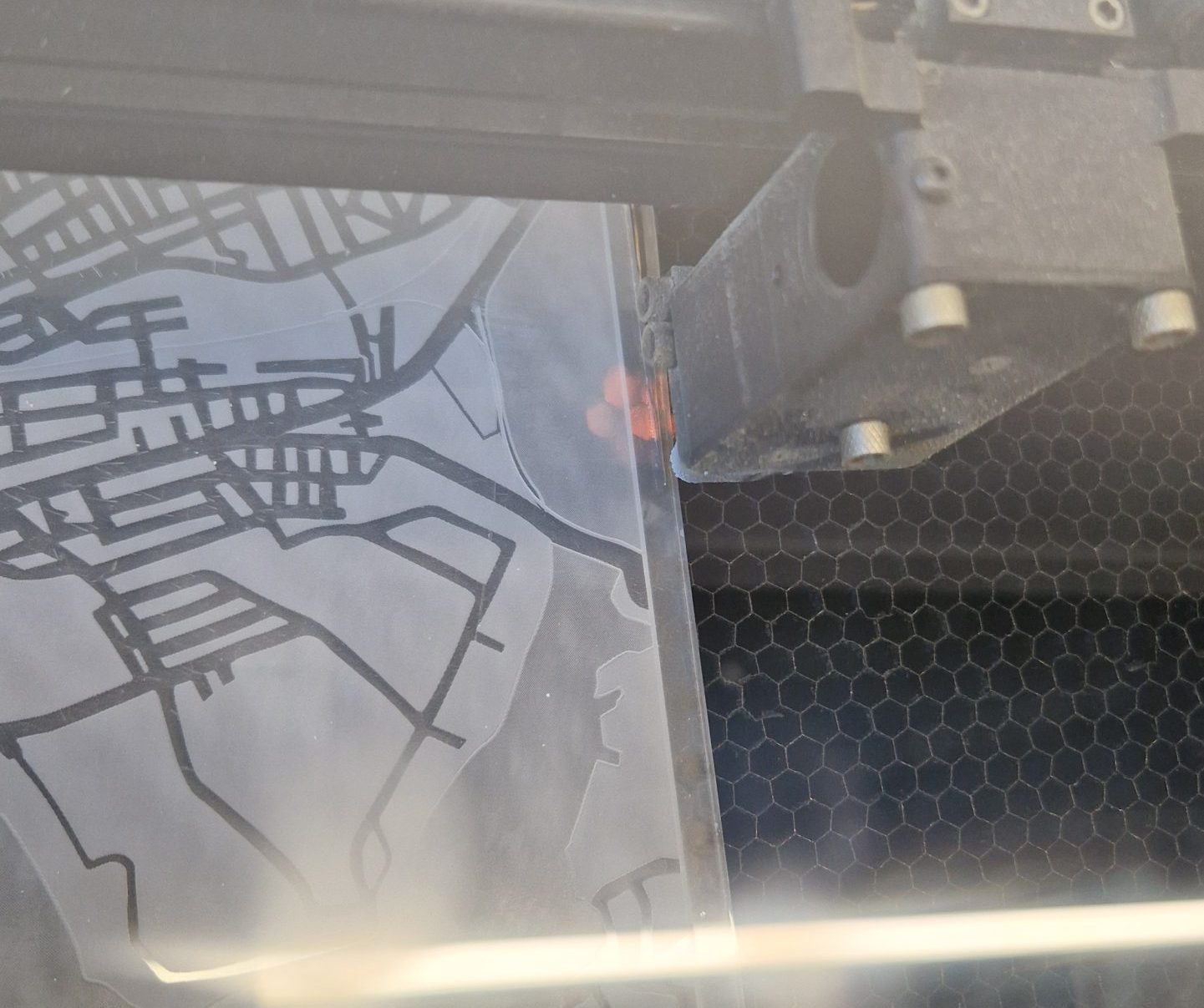
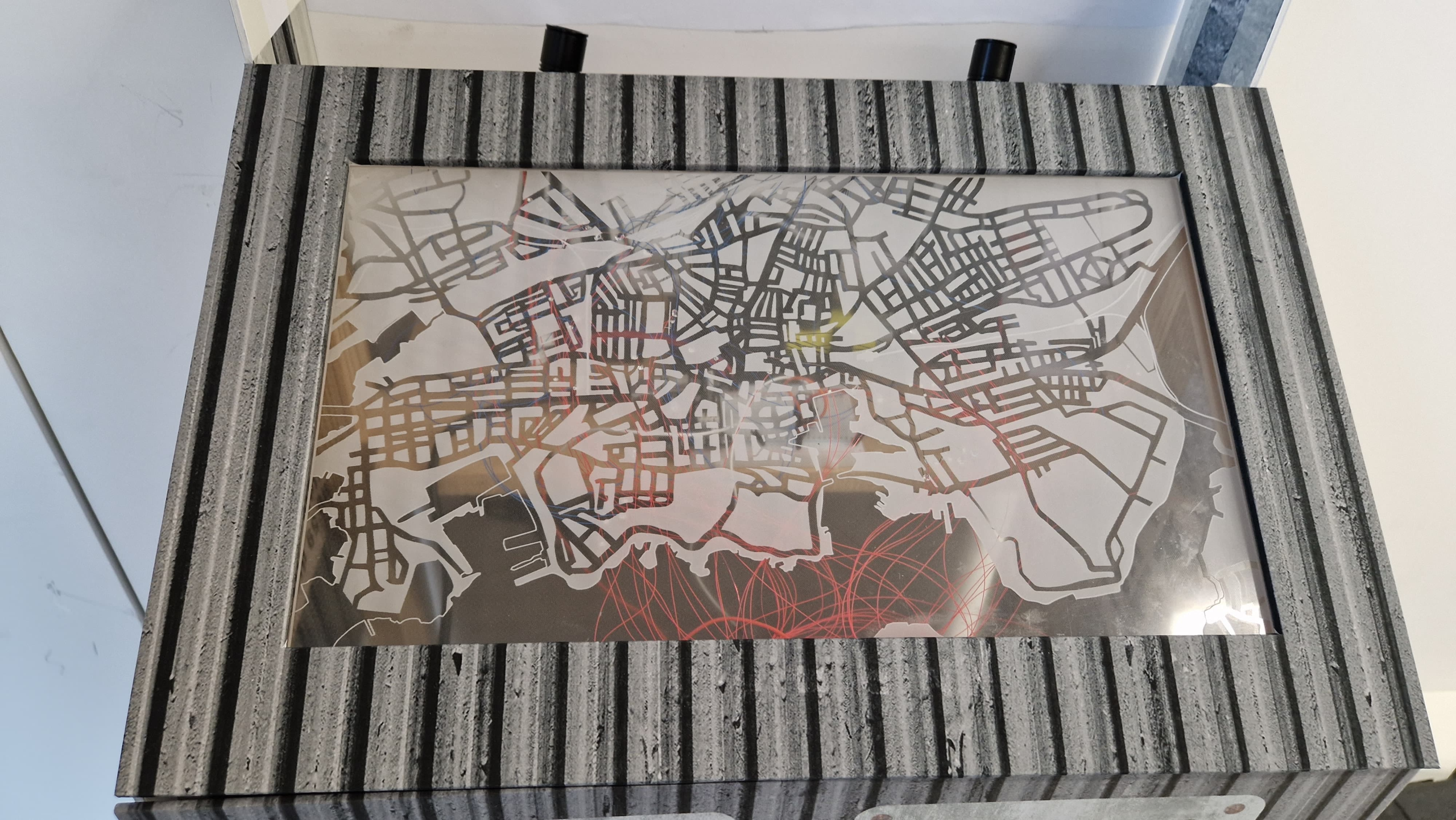
The Map is visible, but it is unclear as to where the bombs may fall or which target is next – a sense of waiting for an event
3. The Interaction
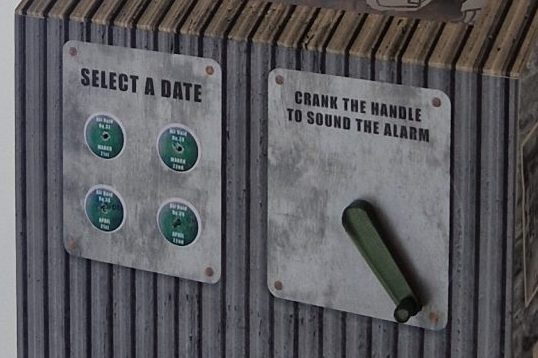
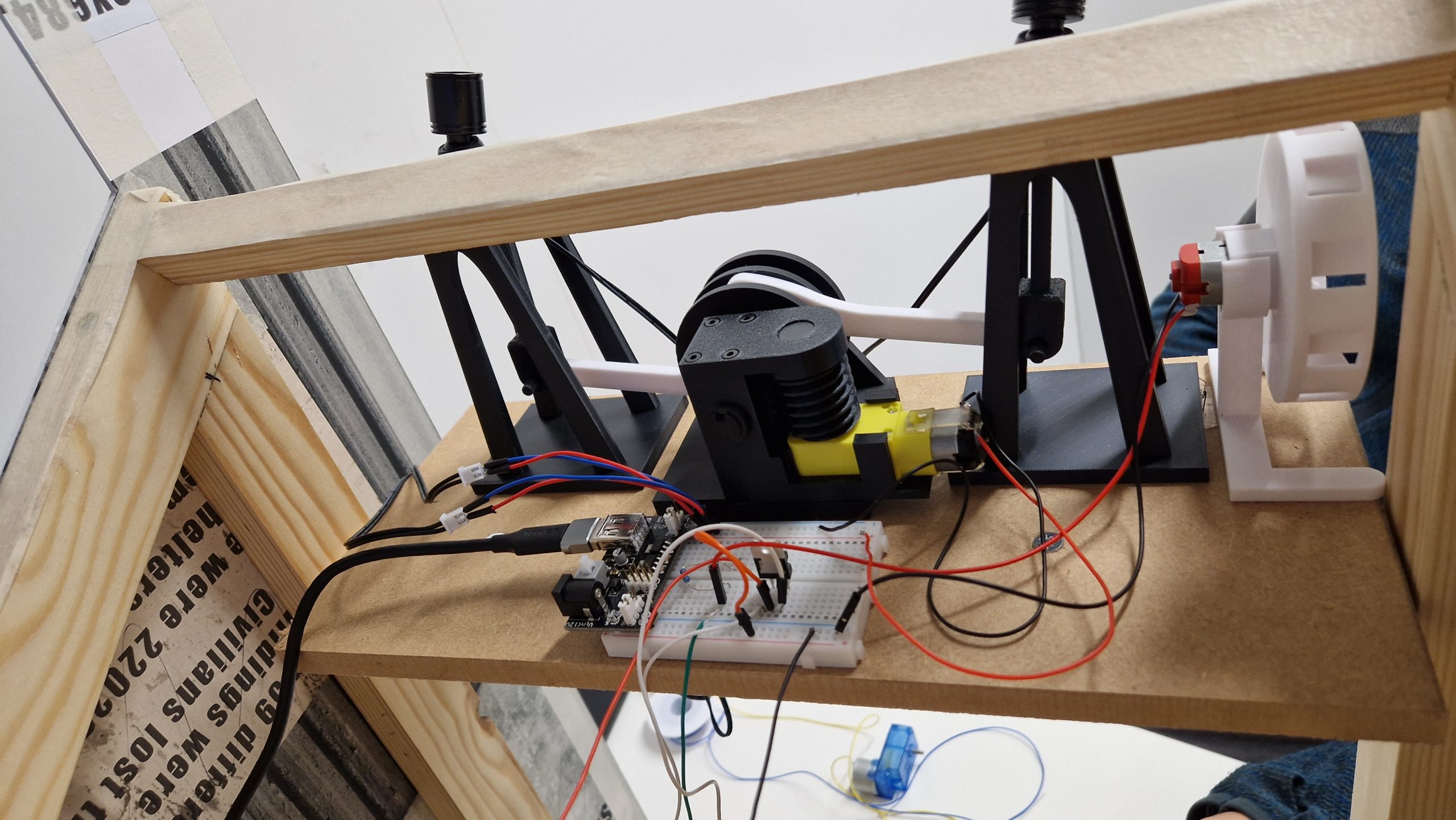
Toggle switches, in keeping with the era give a war room feeling and allow the choice of which date to see next when you crank the handle of the air raid siren.
4. Action Stations
With the planes spotted in the skies overhead, it is time to raise the alarm!
When you crank the handle on the front, an air raid siren is heard from within and the map lights up with locations where the city was hit.
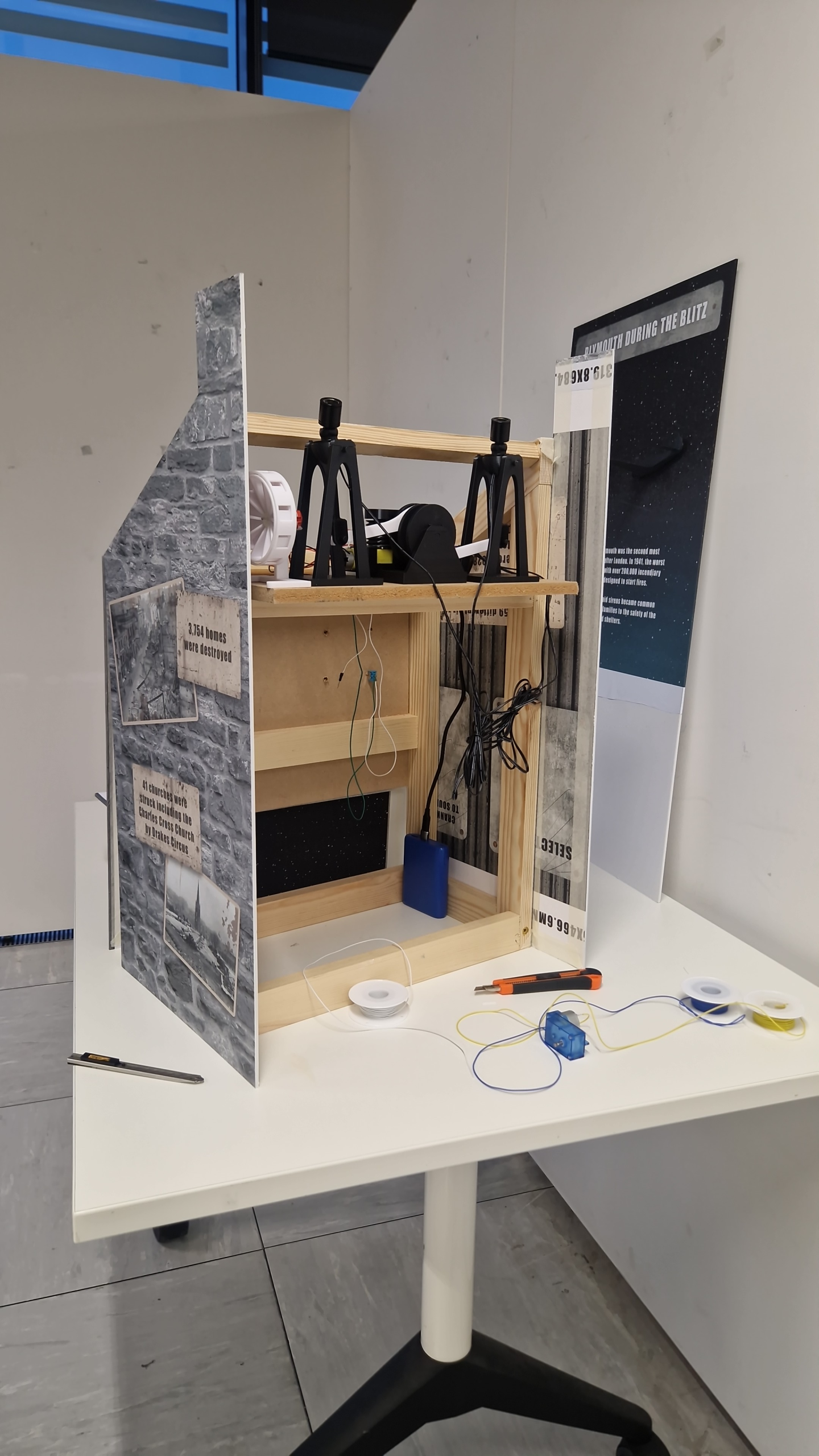
This project established a core principle of my practice—that the hand can lead the mind. It proved that when we give users physical agency over digital data, we don’t just increase engagement; we increase narrative retention.
Gallery of making